
Plant · GBIF taxon 7362759
East African Yellowwood
Podocarpus falcatusAlso known as Outeniqua Yellowwood, Common Yellowwood, Bastard Yellowwood, Weeping Yew
East African yellowwoods rank among the grandest trees in southern Africa, reaching towering heights above montane forest canopies. Mature specimens produce fleshy, yellow seed cones that attract parrots, monkeys, and fruit bats, which act as primary seed dispersers across mistbelt habitats. Their fine-grained timber was historically prized for furniture and construction, prompting modern legal protection for surviving old-growth trees.
EvergreenConiferCanopy Tree
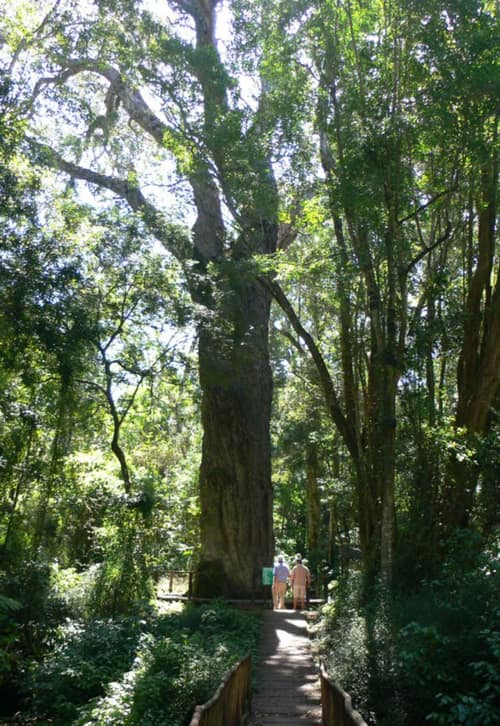
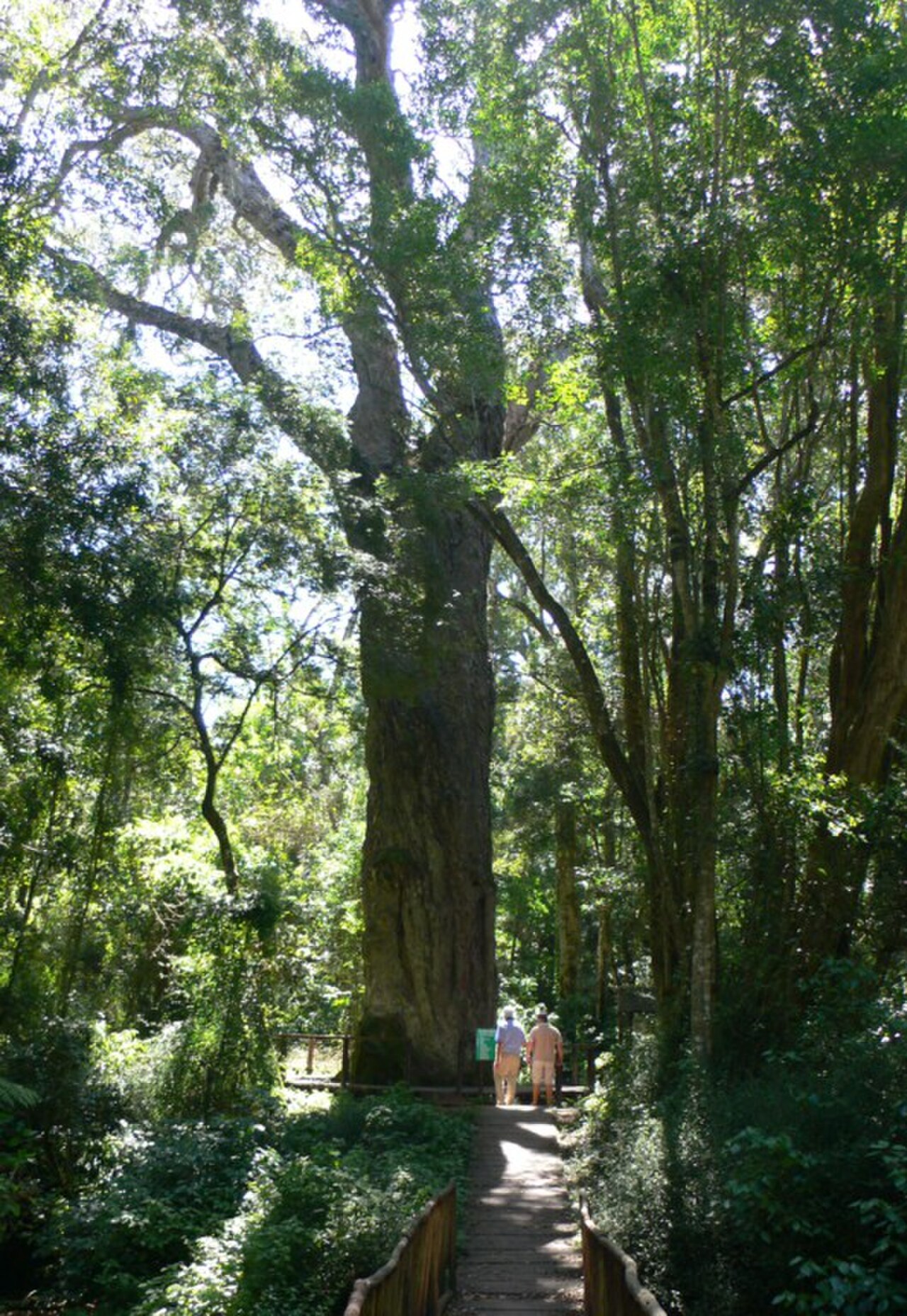
Licensed referenceJimfbleak at English Wikipedia / CC BY-SA 3.0 · cc-by-sa
—observations
—countries
—peak records
Least ConcernConservation statusIUCN Red List categoriesLCNTVUENCREWEXLeast ConcernRed List categories, explained →
Diet & prey
- Autotrophic (Photosynthesis)
Predators
Not available
ThreatsHistorical over-logging, habitat fragmentation, land clearing
HabitatsMontane forests, coastal forests, and mistbelt woodlands
Life spanUp to 1,000+ years
Size / weightNot available
Classification
- FamilyPodocarpaceae
- SpeciesPodocarpus falcatus
Range data is not available yet.
Interaction riskLow
- Low
- Moderate
- High
- Very high
- Why interaction risk is low
- Safe to observe at a normal distance.
- What to notice
- Look for immense straight trunks with flaking grey bark and dense narrow evergreen leaves.
- Support conservation
- Avoid climbing ancient trunks or disturbing root zones in nature reserves.
Responsible observation
- Canopy Observation: Look high into old-growth forest canopies to spot giant emergent crowns.
- Bark Identification: Check for thin grey-brown bark peeling off in characteristic rectangular flakes.
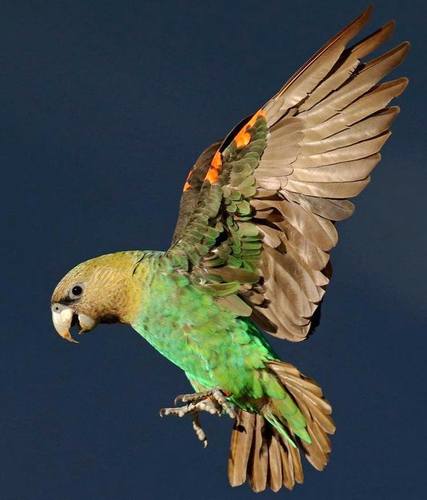
Seed Consumer no rights reserved, uploaded by Dave Brown · cc0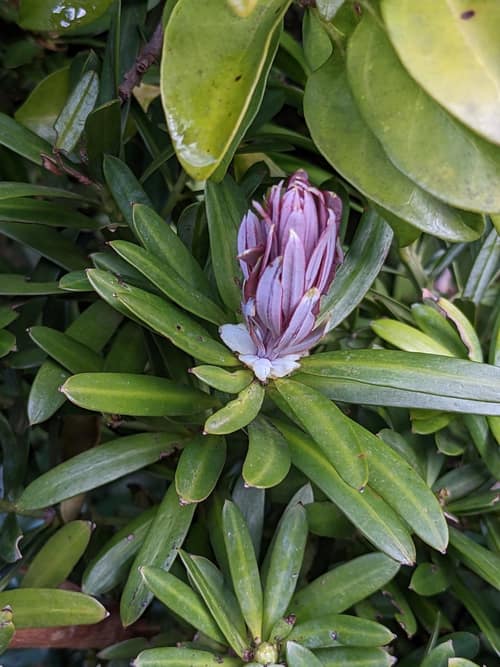
Close Relative (c) Eric Knight, some rights reserved (CC BY), uploaded by Eric Knight · cc-by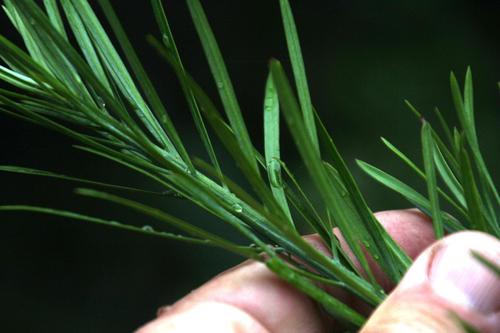
Close Relative (c) Tony Rebelo, some rights reserved (CC BY-SA), uploaded by Tony Rebelo · cc-by-sa
Help improve the field guideSomething wrong?
Checking your Fauna account…Report a name, category, or profile issue for review.