
Bird
Palm Warbler
Setophaga palmarumPalm warblers spend far more time walking and foraging on the ground than most New World warblers, readily identifiable by their persistent, rhythmic tail pumping. They breed across the wet sphagnum bogs and spruce peatlands of the boreal forest, nesting low in dense mossy hummocks. During winter, two distinct forms (the duller western and richly yellow eastern populations) spread across open coastal scrub, fields, and palm savannas in the southern United States and the Caribbean.
MigratorySongbirdInsectivorous
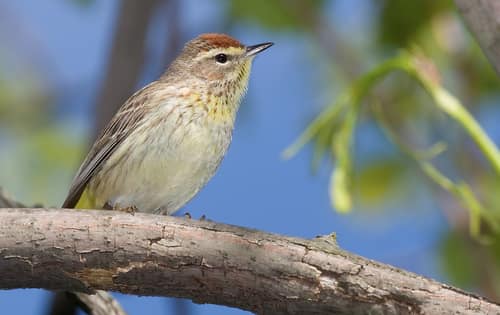
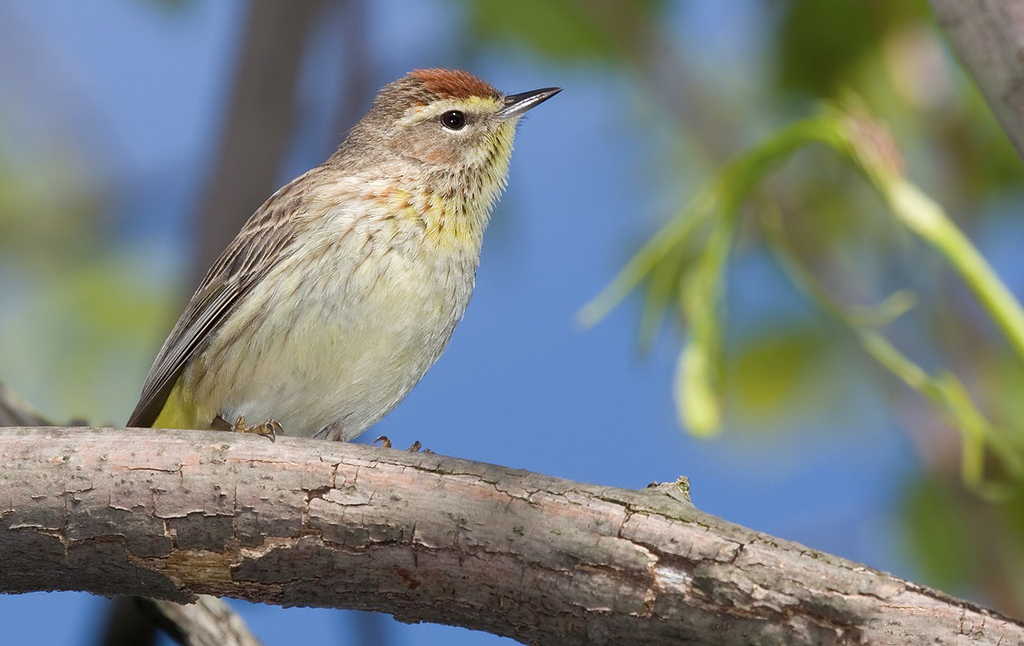
—observations
—countries
—peak records
Least ConcernConservation statusIUCN Red List categoriesLCNTVUENCREWEXLeast ConcernRed List categories, explained →
Diet & preyBeetles, Flies, Spiders
Predators
- Sharp-shinned Hawk
- Merlin
- Domestic Cat
ThreatsPeat mining, boreal forest harvesting, and collisions with structures during migration
HabitatsBoreal peatlands and bogs during breeding; open woods, coastal dunes, and fields in winter
Life span5–7 years
Classification
- OrderPasseriformes
- FamilyParulidae
- GenusSetophaga
- SpeciesSetophaga palmarum
Range data is not available yet.
Interaction riskLow
- Low
- Moderate
- High
- Very high
- Why interaction risk is low
- Safe to observe at a normal distance.
Responsible observation
- Look Low: Watch for movement near the ground on lawns, fence rows, and brushy borders rather than high in the canopy.
- Spot the Tail: Look for continuous, rhythmic downward tail wagging to confirm identification instantly.
- Early Season: Scan open edges in late winter and early spring, as this species migrates north earlier than most warblers.
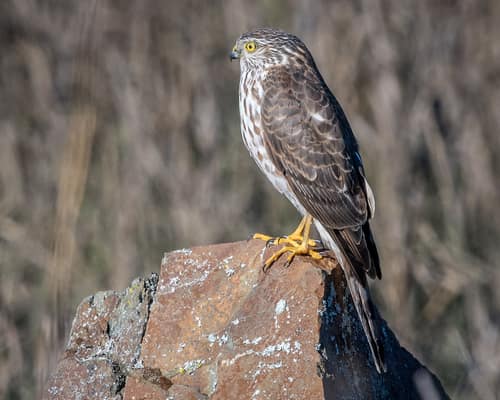
Predator "Sharp-Shinned Hawk (juvenile)" by Becky Matsubara is licensed under CC BY 2.0. To view a copy of this license, visit https://creativecommons.org/licenses/by/2.0/. · cc-by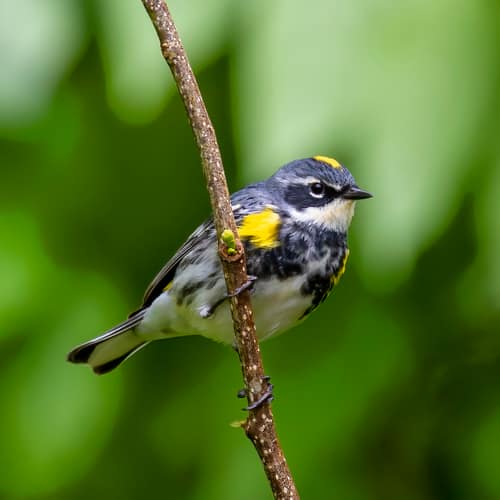
Close Relative (c) Dan Vickers, some rights reserved (CC BY), uploaded by Dan Vickers · cc-by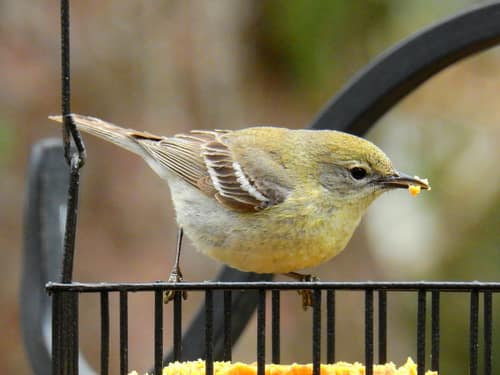
Close Relative (c) Ken Gibson, some rights reserved (CC BY) · cc-by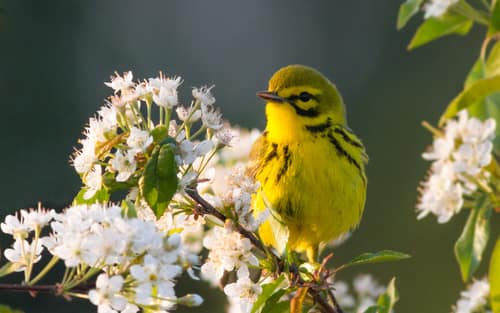
Close Relative (c) Fyn Kynd, some rights reserved (CC BY-SA), uploaded by Fyn Kynd · cc-by-sa
Keep collecting in Fauna
Found in Collections
Species set Pro
Backyard Birds
Palm Warbler is found in this collection. Identify it in Fauna to fill this slot and continue your progress.
Unlock to track progress
Help improve the field guideSomething wrong?
Checking your Fauna account…Report a name, category, or profile issue for review.