Also known as Flapjacks, Paddle Plant, Desert Cabbage
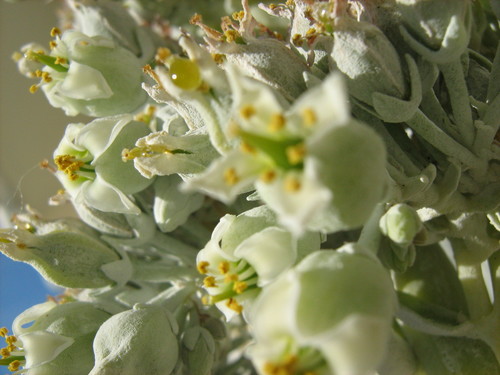
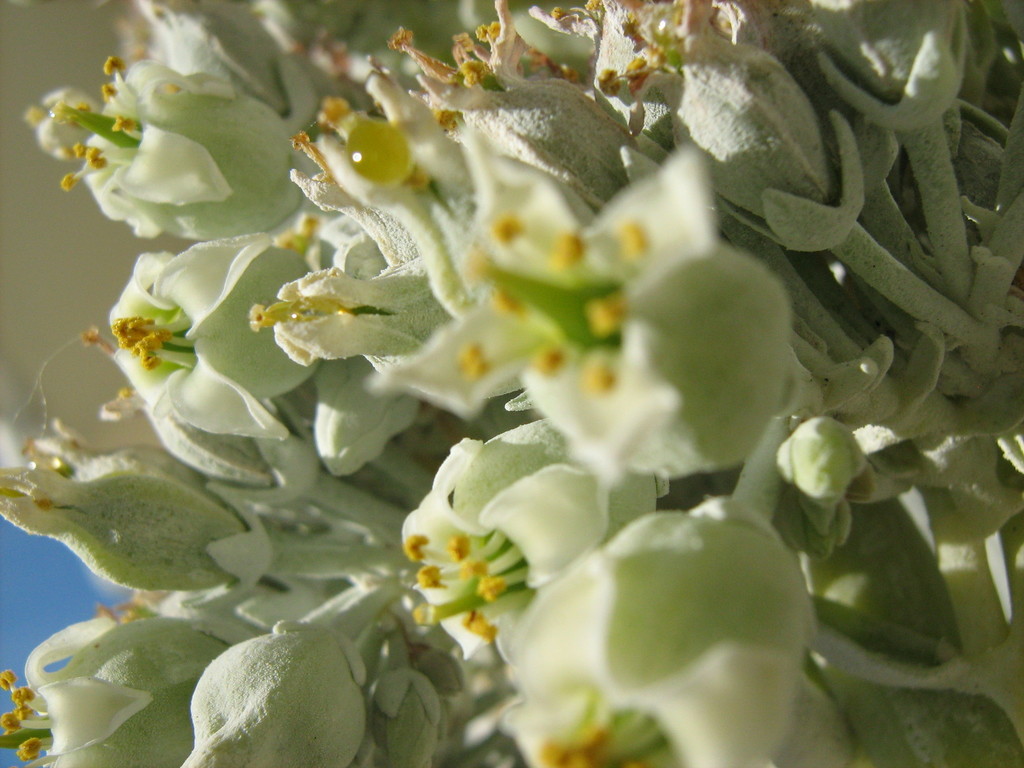
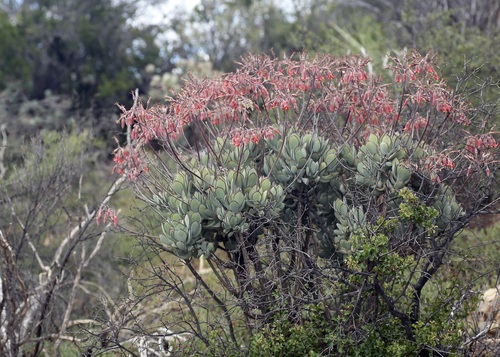
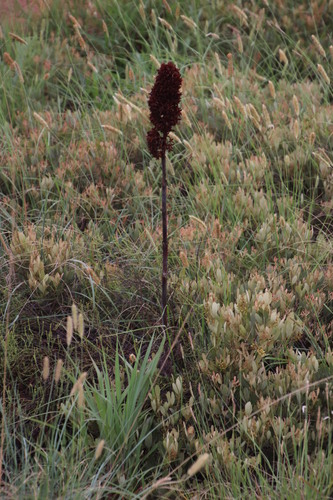
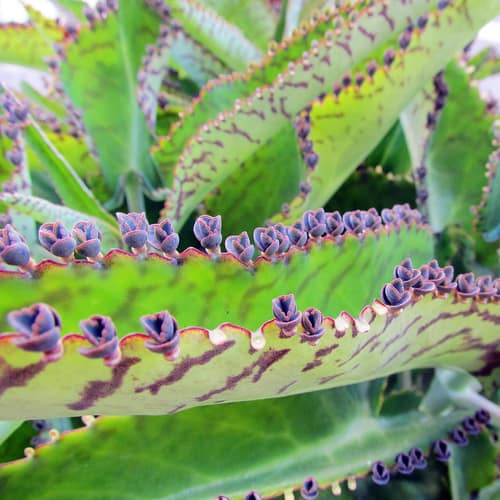
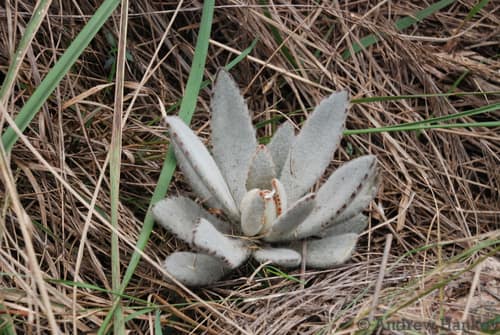
Paddle plants form striking basal rosettes of thick, rounded leaves coated in a powdery white farina that reflects harsh solar radiation. When exposed to bright winter sunlight or drought stress, the foliage margins flush an intense ruby red. After several seasons of vegetative growth, each mature rosette produces a tall cylindrical flower spike and then perishes, leaving behind vigorous basal offsets.
Diet & preySunlight, Coarse mineral soil, Rainwater
Predators
Mealybugs
Snails and slugs
Spider mites
ThreatsOvercollection for horticulture, habitat clearing, and prolonged hard freezes
HabitatsGranite outcrops, rocky hillsides, and open bushveld savanna
Life span3–5 years per rosette (monocarpic, perennial via offsets)
Classification
OrderSaxifragales
FamilyCrassulaceae
GenusKalanchoe
SpeciesKalanchoe luciae
Range & activity
Range data is not available yet.
Safe observation
Interaction riskHigh
Low
Moderate
High
Very high
Why interaction risk is high
Toxic to dogs, cats, and livestock if ingested; keep out of reach of pets.
Why it is dangerous
Produces cardiac glycosides known as bufadienolides, which can trigger severe vomiting, diarrhea, abnormal heart rhythms, and cardiovascular collapse in pets and livestock.
How to recognize a risky encounter
Look for large, flat, rounded leaves that turn brilliant red in full sun, covered in a distinct white chalky powder.
What to do
Place containers well out of reach of curious dogs and cats, and wash hands after pruning sap-filled stems.
Responsible observation
Sun Exposure: Provide direct, bright sunlight to encourage vivid red margins on the foliage.
Watering Care: Allow gritty, well-draining soil to dry out completely between deep waterings to avoid root rot.
Post-Bloom Care: Separate and repot the surrounding basal offsets once the central flowering stalk dies.