
Plant
Paddle Plant
Kalanchoe thyrsifloraAlso known as Desert Cabbage, White Lady, Flapjack
Paddle plants form dense rosettes of thick, rounded leaves held in a striking vertical orientation to minimize moisture loss under scorching sun. A powdery white bloom coats the entire plant, reflecting harsh solar radiation and protecting foliage during drought. After several years of growth, a single massive central stalk rises up to display fragrant yellow flowers before the plant sets seed and completes its lifecycle.
SucculentMonocarpicArid
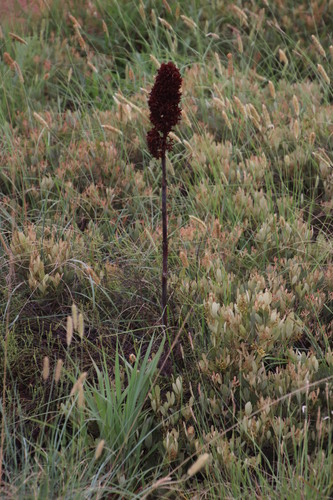
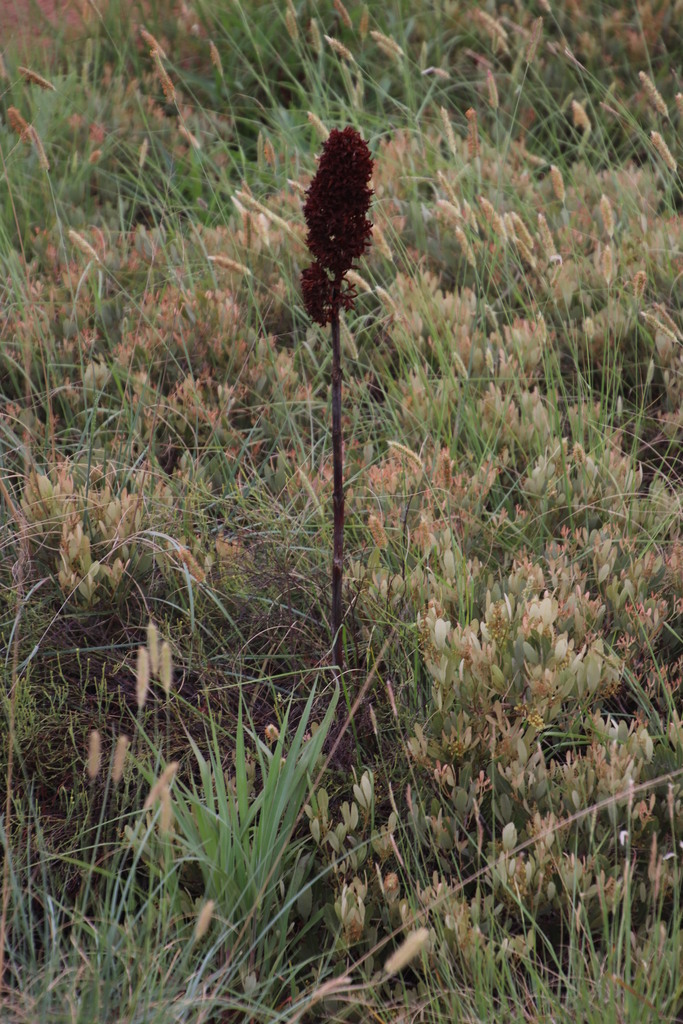
—observations
—countries
—peak records
Not EvaluatedConservation statusIUCN Red List categoriesLCNTVUENCREWEXNot Evaluated — not placed on the risk ladderRed List categories, explained →
Diet & preyAutotrophic (Photosynthesis)
Predators
- Snails
- Slugs
- Mealybugs
ThreatsHabitat degradation, climate extremes
HabitatsRocky hillsides, gravelly slopes, dry shrublands
Life span3–5 years
Classification
- FamilyCrassulaceae
- SpeciesKalanchoe thyrsiflora
Range data is not available yet.
Interaction riskHigh
- Low
- Moderate
- High
- Very high
- Why interaction risk is high
- Contains cardiac glycosides toxic to pets and livestock if ingested; observe safely.
- Why it is dangerous
- Contains toxic bufadienolide cardiac glycosides that can cause severe gastrointestinal distress and abnormal heart rhythms in pets.
- How to recognize a risky encounter
- Look for thick, chalky-white, pad-like leaves arranged vertically in a tight basal rosette.
- What to do
- Keep plants out of reach of domestic animals and wash hands after handling trimmed stems.
Responsible observation
- Sunlight Exposure: Place in direct sun to develop heavy waxy leaf coatings and upright growth.
- Pet Precautions: Keep potted specimens out of reach of domestic dogs and cats.
- Watering Schedule: Allow soil to dry out completely between waterings to prevent root decay.
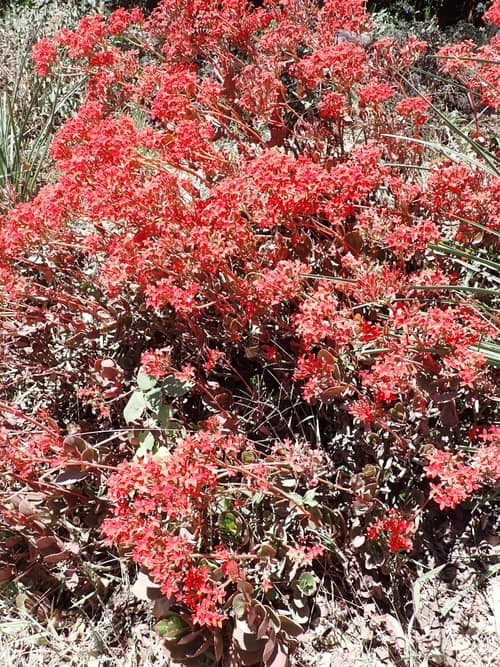
Genus Member (c) birdzilla, some rights reserved (CC BY) · cc-by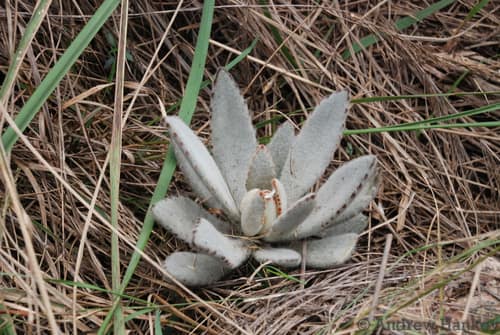
Genus Member (c) Andrew Hankey, some rights reserved (CC BY-SA), uploaded by Andrew Hankey · cc-by-sa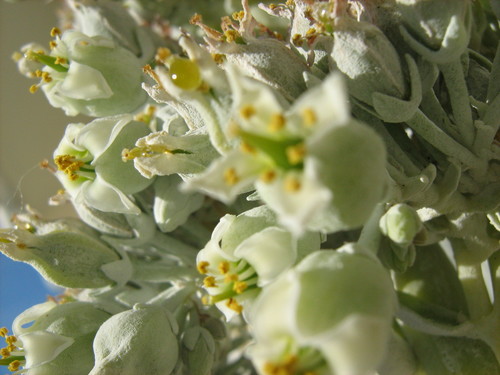
Close Relative (c) Samuel Brown, some rights reserved (CC BY), uploaded by Samuel Brown · cc-by
Help improve the field guideSomething wrong?
Checking your Fauna account…Report a name, category, or profile issue for review.