
Plant
Asiatic Jasmine
Trachelospermum asiaticumAlso known as Yellow Star Jasmine, Asian Star Jasmine, Asian Jasmine
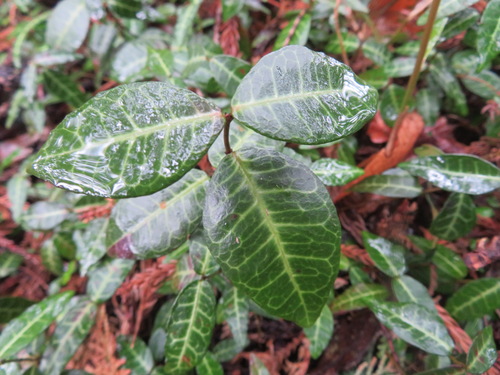
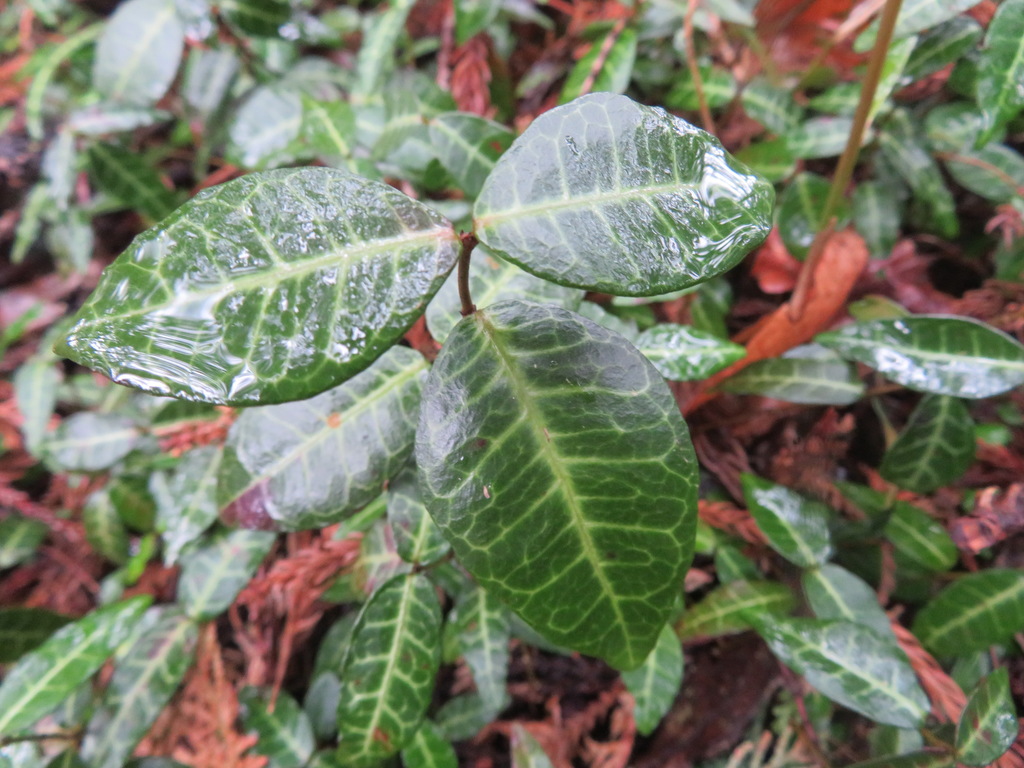
Asiatic jasmine forms dense, woody groundcovers and climbing mats anchored by dark green, glossy leaves that remain lush throughout the year. In early summer, small pinwheel-shaped flowers emerge with creamy yellow to off-white petals that release a delicate, sweet fragrance. Stems exude a milky latex when broken, helping the vine defend against mammalian herbivores in both wild thickets and urban gardens.
EvergreenVineGroundcover
—observations
—countries
—peak records
Not EvaluatedConservation statusIUCN Red List categoriesLCNTVUENCREWEXNot Evaluated — not placed on the risk ladderRed List categories, explained →
Diet & preySunlight, Water, Soil nutrients
Predators
- Scale insects
- Spider mites
- Snails
ThreatsFew major threats; resilient to urban pollution and shade
HabitatsForest margins, brushy slopes, and urban landscape beds
Life span10–20+ years
Classification
- OrderGentianales
- FamilyApocynaceae
- GenusTrachelospermum
- SpeciesTrachelospermum asiaticum
Range data is not available yet.
Interaction riskLow
- Low
- Moderate
- High
- Very high
- Why interaction risk is low
- Milky latex sap can cause skin irritation; wear gloves when pruning.
- Why it is dangerous
- Stems contain milky latex that can cause contact dermatitis on sensitive skin.
- How to recognize a risky encounter
- Recognizable by small, oval, opposite dark green glossy leaves on trailing vines and starry pale yellow flowers.
- What to do
- Wear gloves while trimming or propagating, wash skin promptly if sap makes contact, and keep trimmings away from pets.
Responsible observation
- Pruning Management: Trim back aggressive shoots in late winter to maintain tidy garden borders and prevent smothering adjacent plants.
- Handling Precautions: Wear gardening gloves when handling cut stems to prevent skin contact with the irritating milky sap.
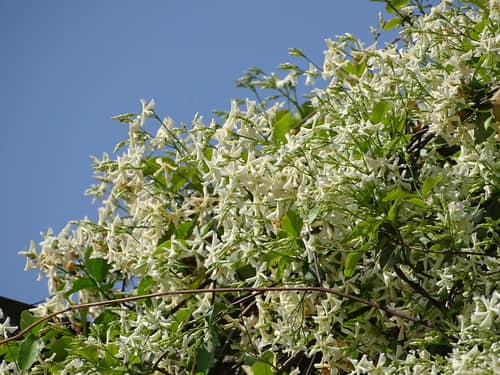
Close Relative no rights reserved, uploaded by 葉子 · cc0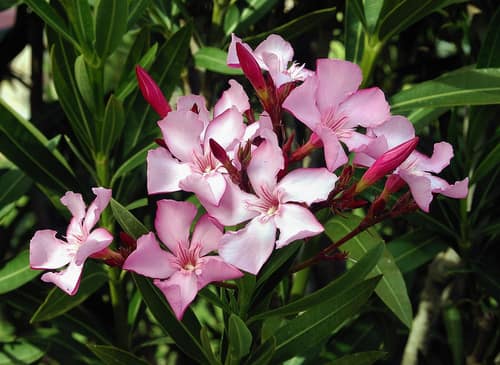
Family Member Alvesgaspar / CC BY 2.5 · cc-by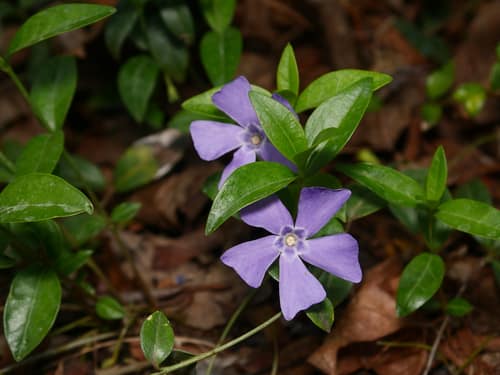
Family Member (c) Alexis Tinker-Tsavalas, some rights reserved (CC BY), uploaded by Alexis Tinker-Tsavalas · cc-by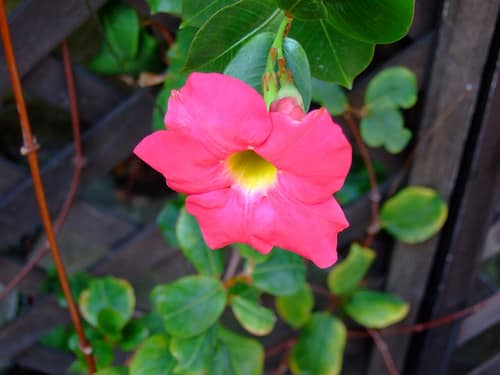
Family Member 日:Jnn / CC BY 2.1 jp · cc-by
Help improve the field guideSomething wrong?
Checking your Fauna account…Report a name, category, or profile issue for review.