
Mammal · GBIF taxon 7262070
Mountain Gorilla
Gorilla beringeiAlso known as Eastern Mountain Gorilla, Virunga Gorilla
Mountain gorillas inhabit the misty high-altitude volcanic slopes of central Africa, where thick coats of long fur protect them from freezing temperatures. Led by a dominant silverback, cohesive family groups spend their days foraging on succulent vines, bamboo shoots, and wild celery. Intricate vocalizations, chest beats, and subtle facial expressions maintain strong social bonds within these tight-knit troops.
MammalSocialEndangered
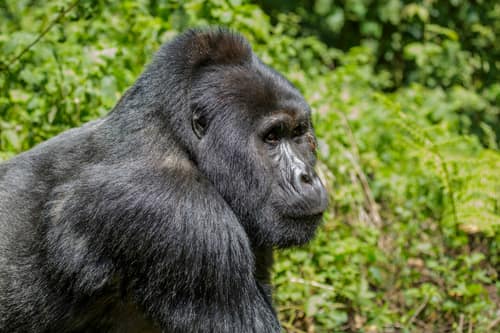
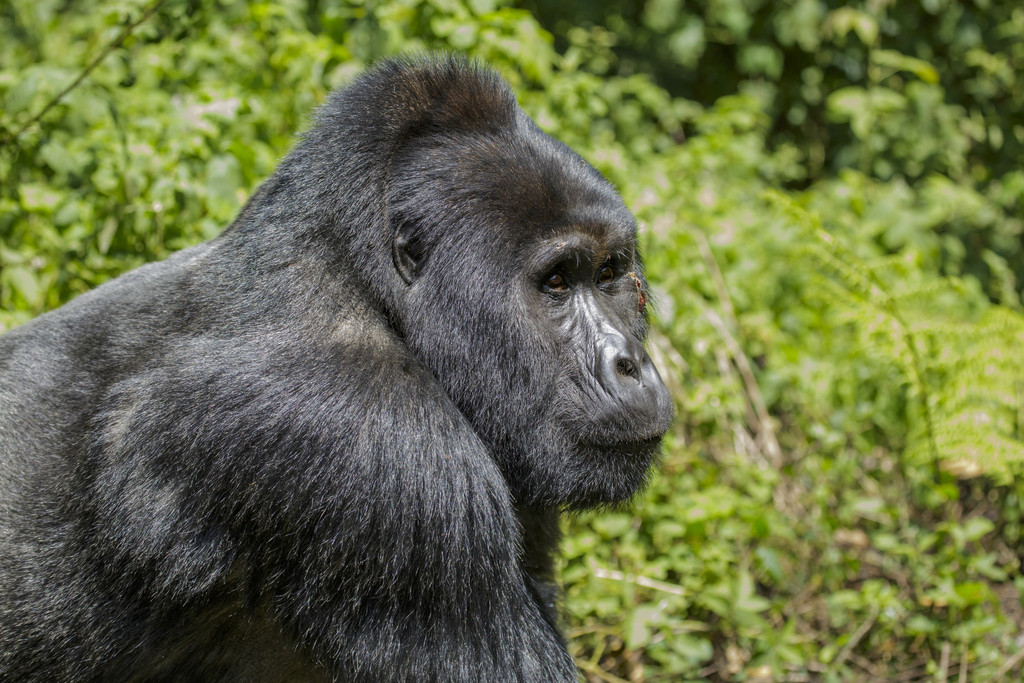
—observations
—countries
—peak records
Critically EndangeredConservation statusIUCN Red List categoriesLCNTVUENCREWEXCritically EndangeredRed List categories, explained →
Diet & prey
- Herbivorous (leaves, bamboo shoots, stems, vines, celery)
Predators
- Leopards
- Humans
ThreatsPoaching, habitat loss, disease transmission, civil unrest
HabitatsMontane cloud forests and subalpine bamboo forests
Life span35–40 years in the wild
Size / weightNot available
Classification
- OrderPrimates
- FamilyHominidae
- GenusGorilla
- SpeciesGorilla beringei
Range data is not available yet.
Interaction riskHigh
- Low
- Moderate
- High
- Very high
- Why interaction risk is high
- Immense physical strength and protective instincts; maintain at least seven meters distance and follow guide instructions.
- Why it is dangerous
- Possesses immense physical strength and large canine teeth capable of inflicting severe injuries when protecting their troop.
- How to recognize a risky encounter
- Recognizable by large muscular body size, thick dark coat, and prominent silver saddle hair on mature males.
- What to do
- Freeze and crouch low if a silverback displays aggression, avoiding eye contact and sudden movements.
- What to notice
- Large primates found exclusively in high altitude montane rainforests of central Africa.
- Support conservation
- Follow strict trekking guidelines, wear masks near troops, and limit visit duration to one hour.
Responsible observation
- Keep Distance: Maintain a mandatory seven meter safety buffer during eco tours.
- Avoid Staring: Direct eye contact can be interpreted as a threat or challenge by silverbacks.
- Wear Face Masks: Coverings prevent transmission of human respiratory pathogens to vulnerable troops.
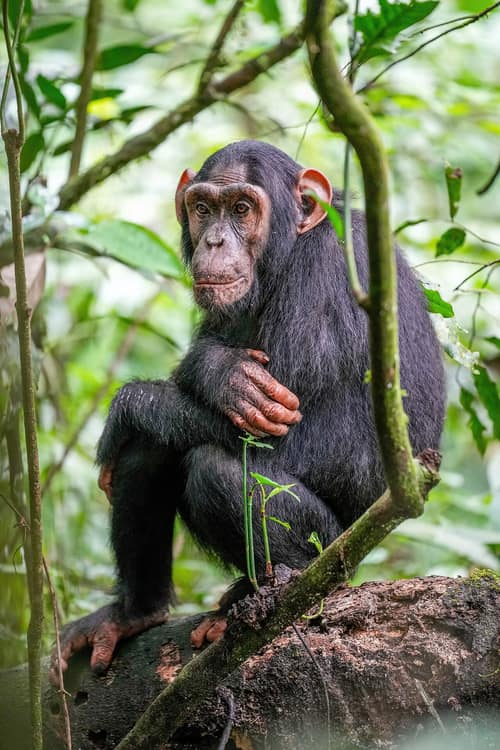
Co-occurring Primate Giles Laurent / CC BY-SA 4.0 · cc-by-sa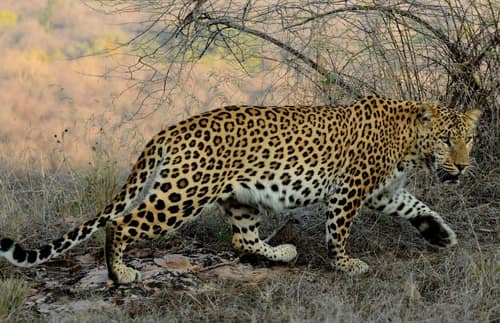
Predator (c) Raja bandi, some rights reserved (CC BY), uploaded by Raja bandi · cc-by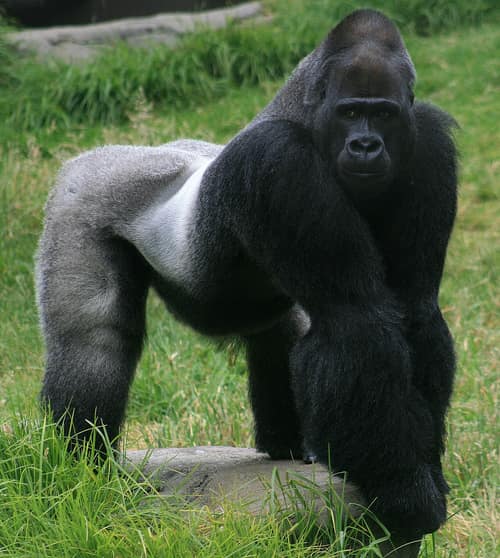
Close Relative Brocken Inaglory / CC BY-SA 3.0 · cc-by-sa
Help improve the field guideSomething wrong?
Checking your Fauna account…Report a name, category, or profile issue for review.