
Mammal
Nubian Giraffe
Giraffa camelopardalis camelopardalisAlso known as Baringo Giraffe, Ugandan Giraffe, Rothschild's Giraffe
Nubian giraffes navigate the East African savannas in loose, gender-segregated herds, using their prehensile, purplish-black tongues to strip nutritious leaves from thorny acacia branches. These towering giants possess a distinctive coat pattern featuring large, chestnut-colored patches sharply outlined by off-white lines, with no markings on their lower legs. They communicate through low-frequency hums and snorts, maintaining constant visual contact across vast distances thanks to their exceptional height.
ToweringHerbivoreSavanna
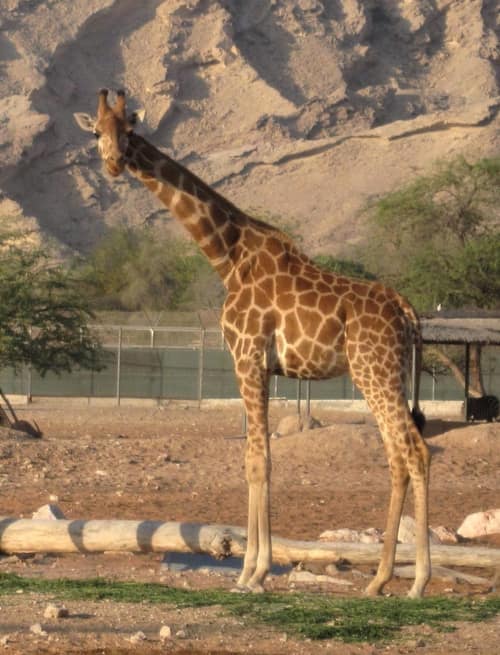
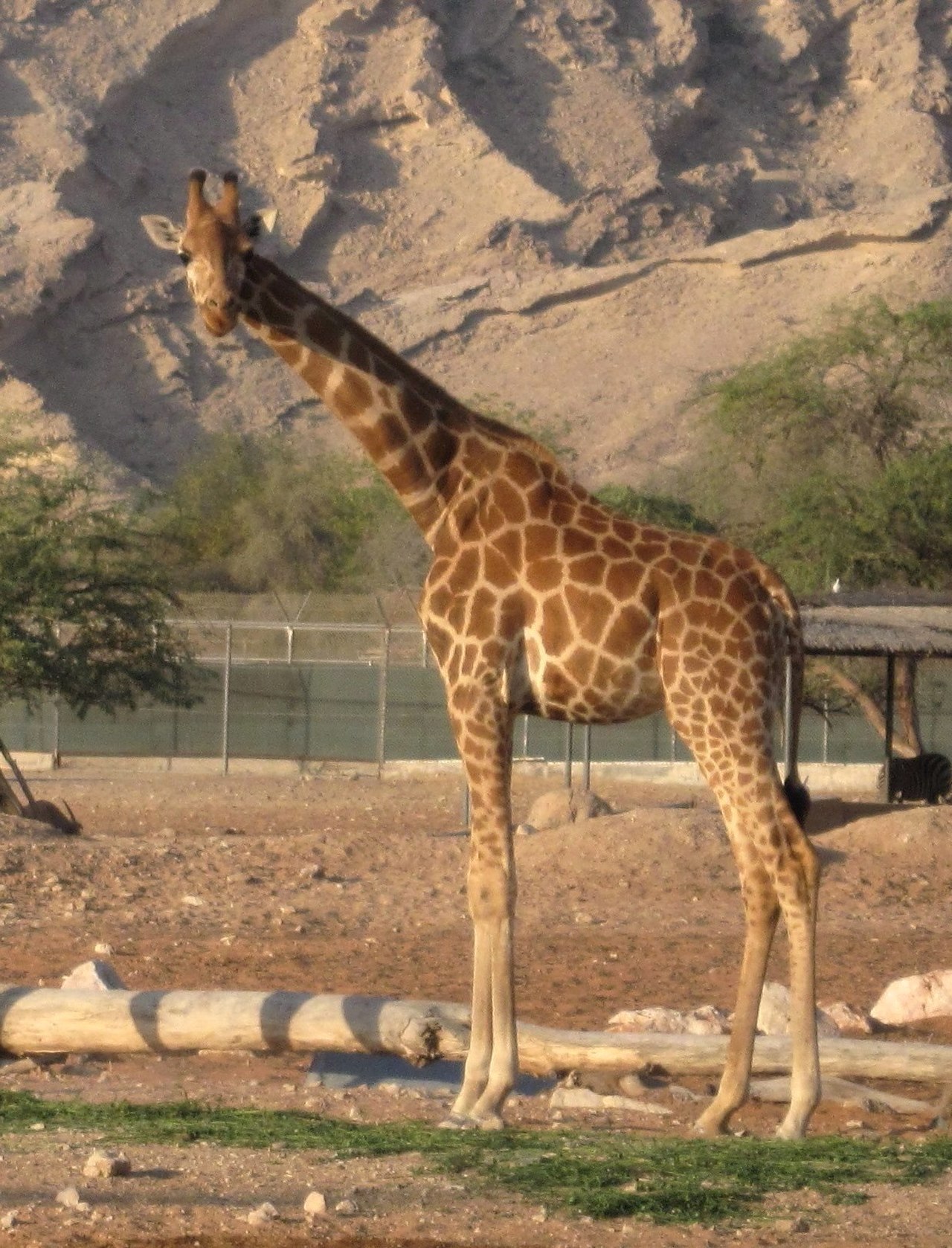
—observations
—countries
—peak records
VulnerableConservation statusIUCN Red List categoriesLCNTVUENCREWEXVulnerableRed List categories, explained →
Diet & preyAcacia Leaves, Shoots, Fruits
Predators
- Lions
- Leopards
- Spotted Hyenas
ThreatsHabitat loss, poaching, civil unrest, and agricultural expansion
HabitatsSavannas, open woodlands, and shrublands
Life span20 to 25 years in the wild
Classification
- FamilyGiraffidae
- SpeciesGiraffa camelopardalis camelopardalis
Range data is not available yet.
Interaction riskHigh
- Low
- Moderate
- High
- Very high
- Why interaction risk is high
- Capable of delivering lethal kicks if threatened; maintain a safe distance during safaris.
- Why it is dangerous
- Adults weigh over a ton and can deliver incredibly powerful, bone-shattering kicks in any direction when defending themselves or their calves.
- How to recognize a risky encounter
- Look for the towering height, long neck, and chestnut patches that stop abruptly above the white lower legs.
- What to do
- Never approach on foot; always remain inside a secure safari vehicle and give them ample right-of-way.
- What to notice
- Recognizable by the lack of markings on their lower legs, giving them a white socks appearance.
- Support conservation
- Support local community-led conservation initiatives and avoid sharing real-time GPS coordinates of sightings.
Responsible observation
- Binocular Viewing: Use binoculars or telephoto lenses to observe their natural browsing behaviors without causing stress.
- Vehicle Etiquette: Keep safari vehicles quiet and stationary when a herd is crossing the road.
- Waterhole Patience: Watch quietly from a distance at waterholes, where they are most vulnerable and cautious.
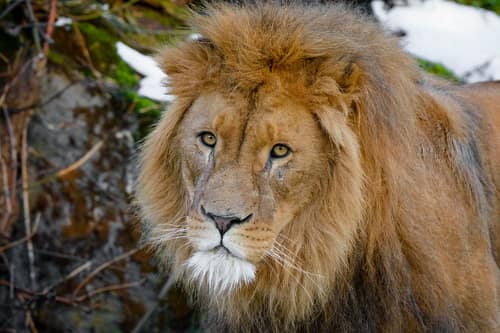
Predator "African Lion" by Mathias Appel is marked with CC0 1.0. To view the terms, visit https://creativecommons.org/publicdomain/zero/1.0/. · cc0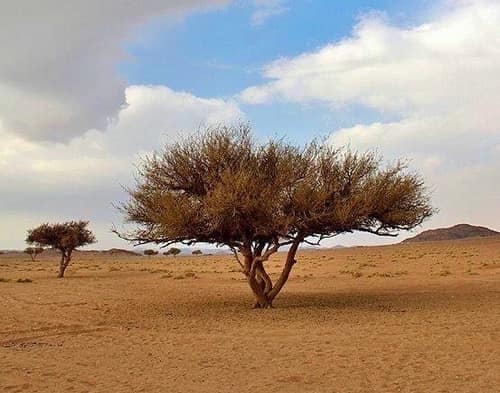
Food Source (c) Rabah Al-Shammary, some rights reserved (CC BY), uploaded by Rabah Al-Shammary · cc-by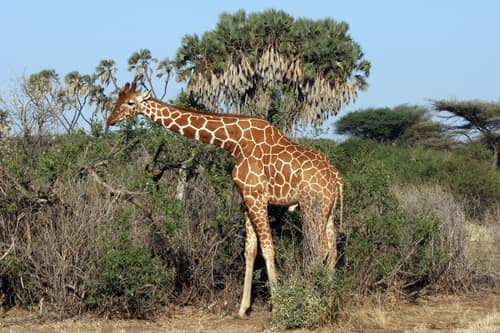
Close Relative (c) Michal Sloviak, some rights reserved (CC BY), uploaded by Michal Sloviak · cc-by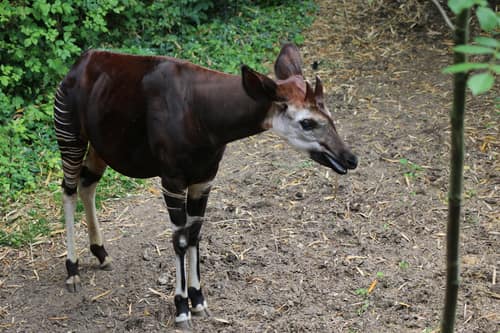
Close Relative (c) Melvin TOULLEC, some rights reserved (CC BY-SA) · cc-by-sa
Help improve the field guideSomething wrong?
Checking your Fauna account…Report a name, category, or profile issue for review.