
Mammal · GBIF taxon 8888736
Reticulated Giraffe
Giraffa reticulataAlso known as Somali Giraffe
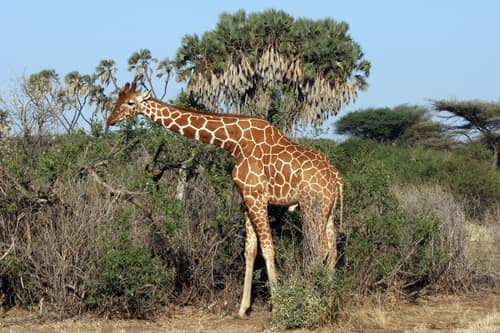
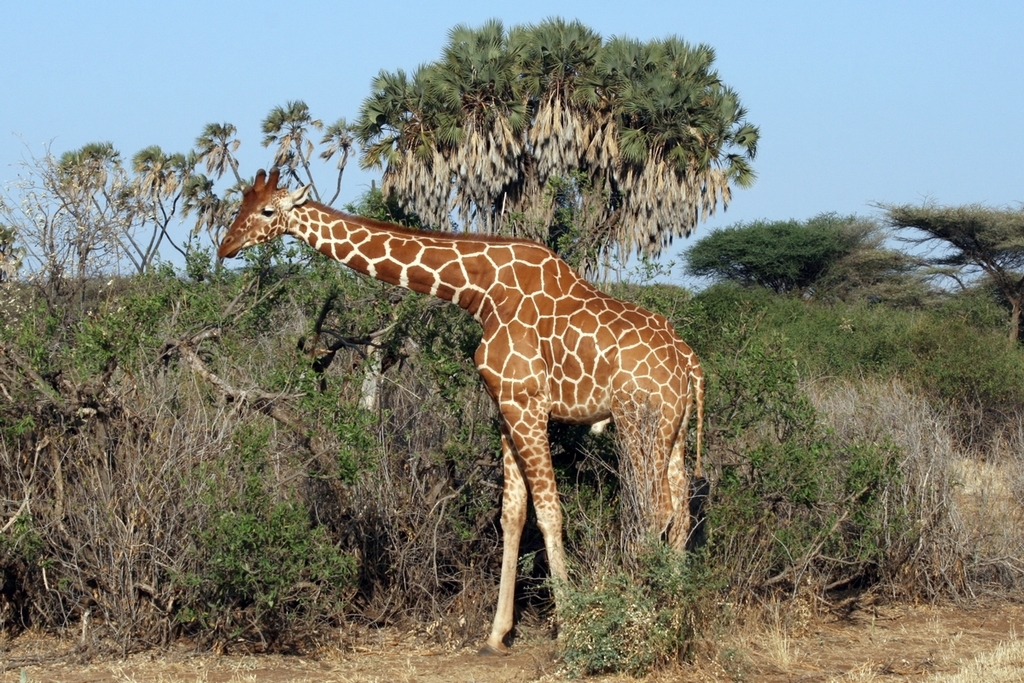
Reticulated giraffes stand out with a striking net-like coat pattern featuring broad, liver-colored polygons separated by crisp white lines. Moving through open woodlands and savannas, these towering browsers use prehensile, dark blue tongues to delicately strip thorny acacia branches high above the reach of other herbivores. Females form loose, fluid social groups while offspring gather in nursery crèches guarded by watchful mothers.
SavannaTallest MammalHerbivore
 1 / 7
1 / 7—observations
—countries
—peak records
EndangeredConservation statusIUCN Red List categoriesLCNTVUENCREWEXEndangeredRed List categories, explained →
Diet & prey
- Acacia leaves
- Commiphora foliage
- Wild fig leaves
Predators
- Lions
- Spotted Hyenas
- Leopards
ThreatsHabitat loss and degradation, poaching, and human conflict
HabitatsDry savannas, open woodlands, and arid bushlands
Life span20–25 years in the wild
Size / weightNot available
Classification
- OrderArtiodactyla
- FamilyGiraffidae
- GenusGiraffa
- SpeciesGiraffa reticulata
Native
Interaction riskHigh
- Low
- Moderate
- High
- Very high
- Why interaction risk is high
- Massive animal capable of powerful kicks; maintain a safe distance inside a vehicle.
- Why it is dangerous
- Enormous physical size and powerful legs can deliver deadly kicks if threatened or cornered.
- How to recognize a risky encounter
- Towering height up to nearly six meters with distinct reddish-brown, sharp-edged block patches.
- What to do
- Never approach on foot; stay within designated vehicle routes or behind reserve barriers.
- What to notice
- Bright liver-red polygonal patterns extending all the way down to the hooves and face.
- Support conservation
- Choose responsible wildlife operators and avoid supporting illegal trade or bushmeat practices.
Responsible observation
- Safari Etiquette: Remain inside your safari vehicle and keep sound levels low near herds.
- Observing Feeders: Watch for their prehensile tongues wrapping deftly around long acacia thorns.
- Spotting Calves: Look for crèche groups where one adult female guards several young.
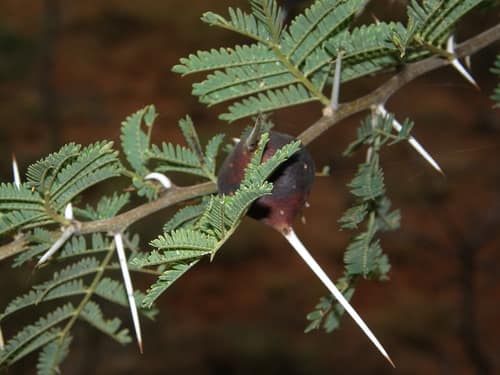
Food Source (c) Rafael Medina, some rights reserved (CC BY) · cc-by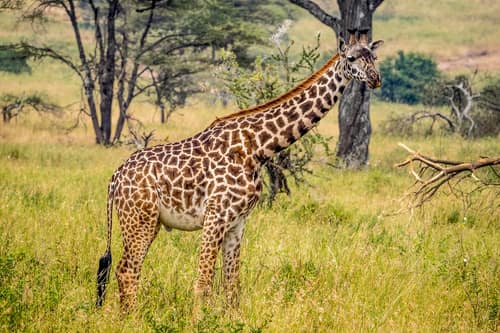
Close Relative "Masai Giraffe / Masai Mara / Kenya" by fotopamas is licensed under CC BY 2.0. To view a copy of this license, visit https://creativecommons.org/licenses/by/2.0/. · cc-by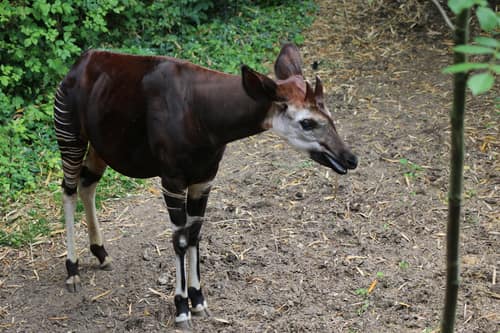
Close Relative (c) Melvin TOULLEC, some rights reserved (CC BY-SA) · cc-by-sa
Keep collecting in Fauna
Found in Collections
Species set Pro
Safari Ranger
Reticulated Giraffe is found in this collection. Identify it in Fauna to fill this slot and continue your progress.
Unlock to track progress
Help improve the field guideSomething wrong?
Checking your Fauna account…Report a name, category, or profile issue for review.