
Fungus · GBIF taxon 7240044
Indigo Milk Cap
Lactarius indigoAlso known as Indigo Milky, Indigo Lactarius, Blue Lactarius, Blue Milk Mushroom
Indigo milk caps produce striking deep blue to silvery-blue mushrooms that bleed a vivid indigo latex fluid when sliced or broken. They form mycorrhizal partnerships underground with hardwood and coniferous trees, particularly oaks and pines across North America and East Asia. As the fruiting body matures, the zonate cap pales toward a greenish hue where latex bleeds and oxidizes upon exposure to air.
Blue MushroomMycorrhizalForest Floor
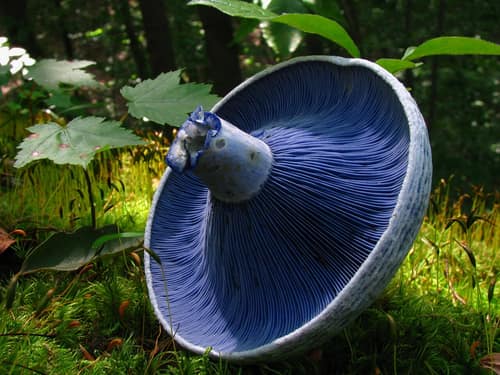
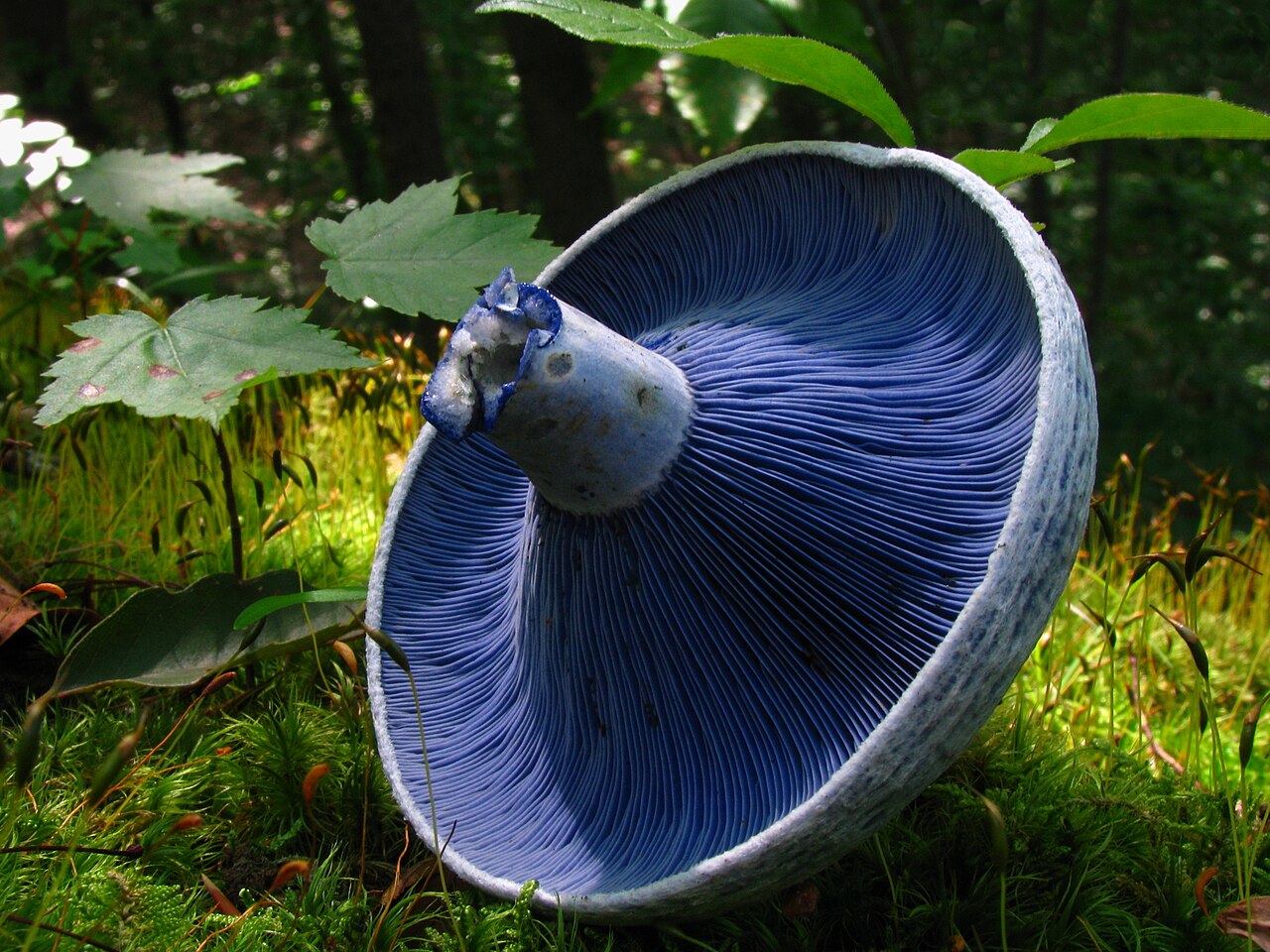
—observations
—countries
—peak records
Least ConcernConservation statusIUCN Red List categoriesLCNTVUENCREWEXLeast ConcernRed List categories, explained →
Diet & prey
- Mycorrhizal (symbiotic with tree roots)
Predators
- Insect larvae
- Slugs
- Rodents
ThreatsHabitat destruction and clear-cutting
HabitatsDeciduous and coniferous forests
Life spanFruiting body lasts 1–2 weeks; mycelium lives indefinitely
Size / weightNot available
Classification
- OrderRussulales
- FamilyRussulaceae
- GenusLactarius
- SpeciesLactarius indigo
Range data is not available yet.
Interaction riskLow
- Low
- Moderate
- High
- Very high
- Why interaction risk is low
- Many wild mushrooms have toxic look-alikes; never consume wild fungi based on app identification alone.
Responsible observation
- Check for Latex: Gently scratch the gills or cap surface to observe the immediate oozing of vivid blue liquid.
- Look Near Oaks: Search shaded mossy ground and leaf litter surrounding mature oak and pine trees after summer rains.
- Observe Aging Colors: Note how older specimens slowly develop greenish-blue stains as the latex dries.
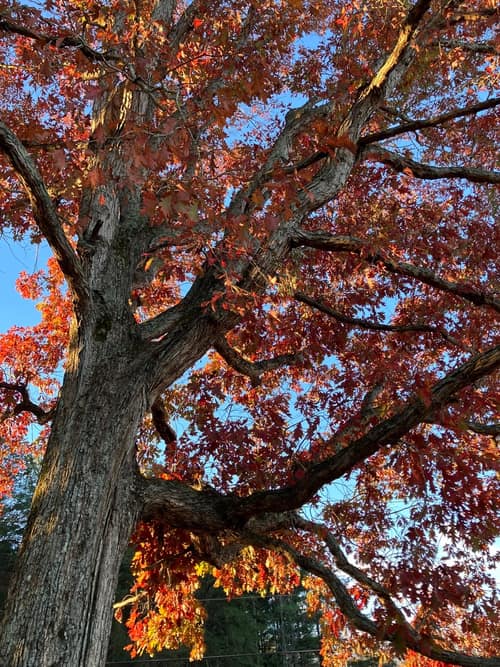
Mycorrhizal Partner (c) Alicia Ballard, some rights reserved (CC BY) · cc-by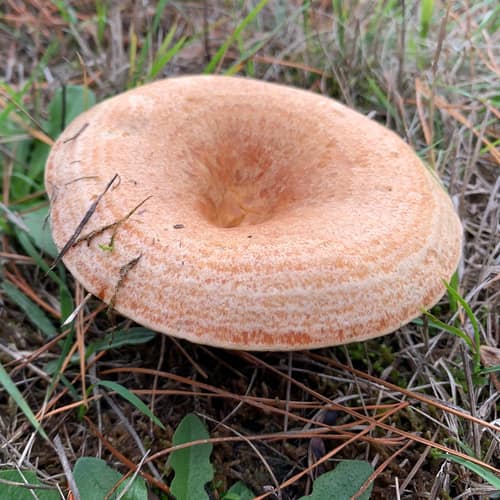
Close Relative (c) Oliver Clarke, some rights reserved (CC BY), uploaded by Oliver Clarke · cc-by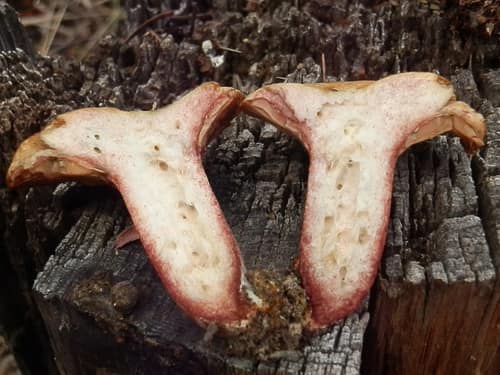
Close Relative (c) pinonbistro, some rights reserved (CC BY-SA), uploaded by pinonbistro · cc-by-sa
Help improve the field guideSomething wrong?
Checking your Fauna account…Report a name, category, or profile issue for review.