
Fungus
Saffron Milk Cap
Lactarius deliciosusAlso known as Delicious Milk Cap, Red Pine Mushroom
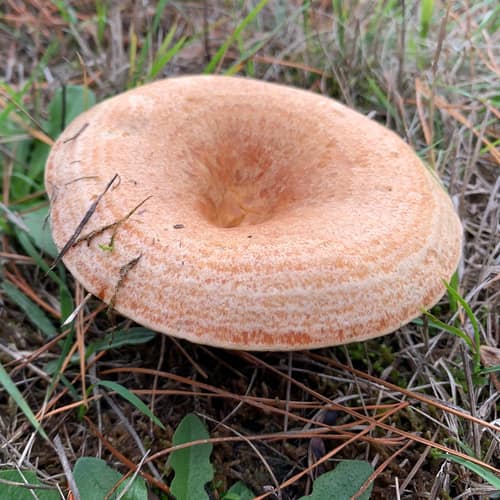
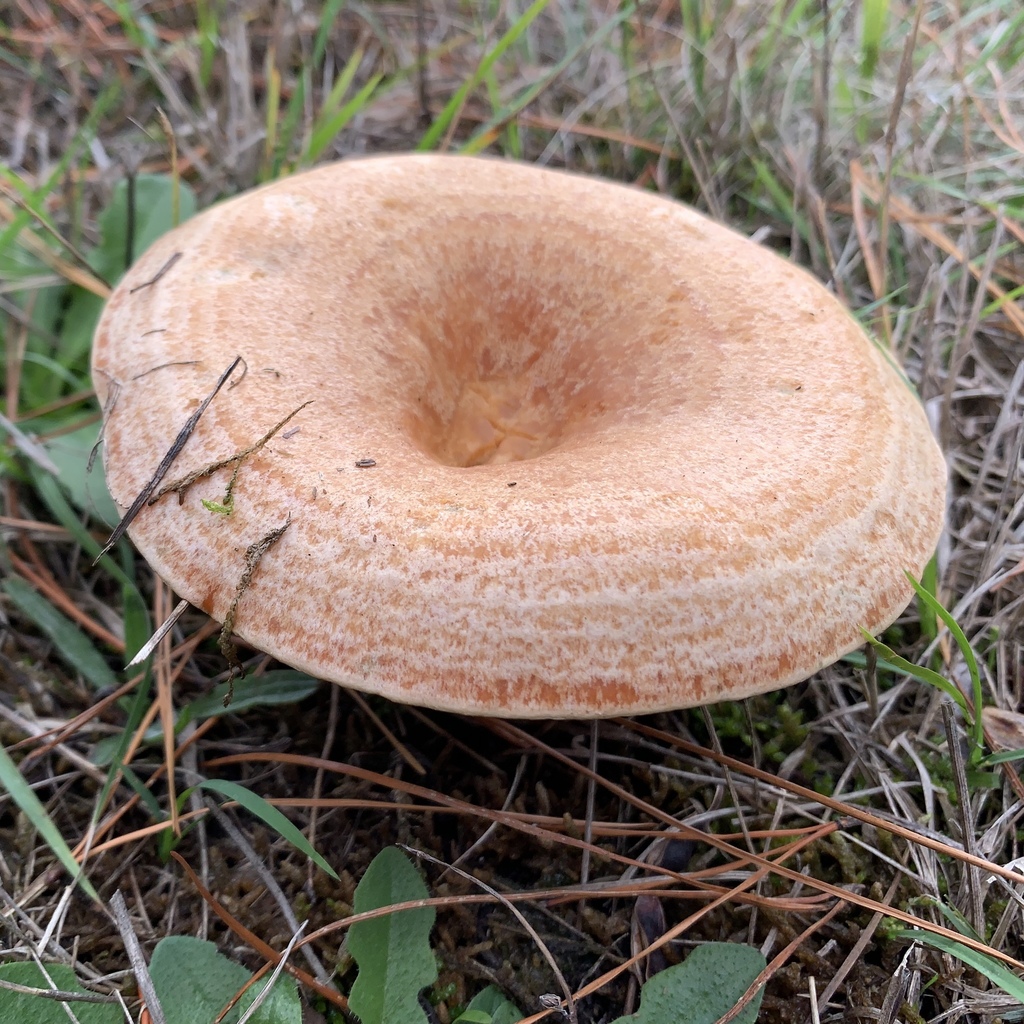
Saffron milk caps form vital mycorrhizal partnerships with pine trees, exchanging soil nutrients for tree-produced sugars. The distinctive mushroom features concentric rings of orange on its cap and exudes a bright carrot-colored latex when cut or damaged. Over several hours, bruised areas on the cap and stem slowly oxidize into a characteristic dull green color.
SymbioticForestPine Specialist
—observations
—countries
—peak records
Least ConcernConservation statusIUCN Red List categoriesLCNTVUENCREWEXLeast ConcernRed List categories, explained →
Diet & preyMycorrhizal (symbiotic with pine roots)
Predators
- Fungus gnats
- Slugs
- Squirrels
ThreatsHabitat loss, clear-cutting of pine host trees
HabitatsPine forests, conifer plantations, woodland edges
Life spanMycelium lives indefinitely; fruitbodies last 1–2 weeks
Classification
- OrderRussulales
- FamilyRussulaceae
- GenusLactarius
- SpeciesLactarius deliciosus
Range data is not available yet.
Interaction riskLow
- Low
- Moderate
- High
- Very high
- Why interaction risk is low
- Many wild mushrooms have toxic look-alikes; never eat wild fungi based on app identification alone.
Responsible observation
- Observe latex: Slice the gills gently to see bright orange fluid emerge and slowly turn green.
- Check host trees: Look for fruitbodies growing under two-needle pines in late summer and autumn.
- Note cap staining: Examine older specimens for characteristic dull green bruising along the cap margin.
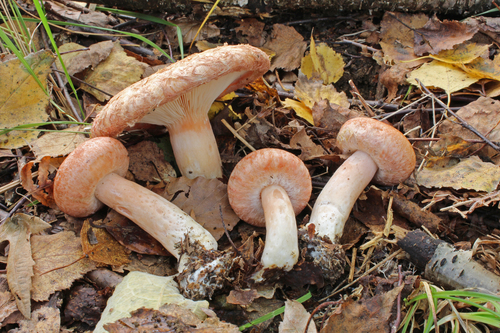
Look-alike (c) Davide Puddu, some rights reserved (CC BY), uploaded by Davide Puddu · cc-by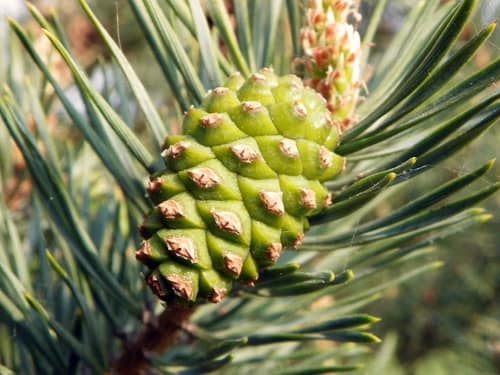
Host Plant (c) anemoneprojectors (no internet at the moment), some rights reserved (CC BY-SA) · cc-by-sa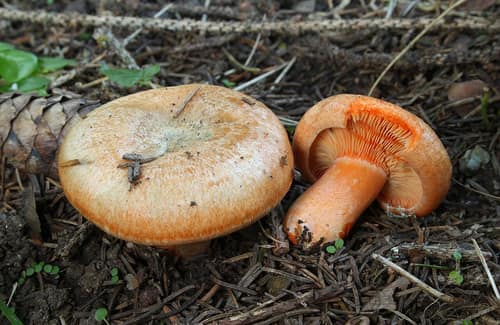
Close Relative Holger Krisp / CC BY 3.0 · cc-by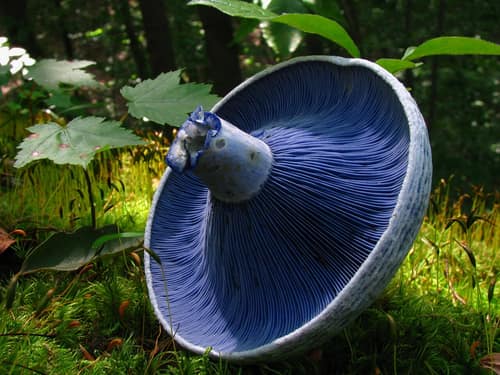
Close Relative Dan Molter / CC BY-SA 3.0 · cc-by-sa
Help improve the field guideSomething wrong?
Checking your Fauna account…Report a name, category, or profile issue for review.