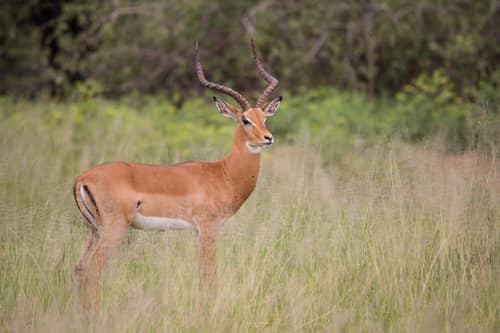
Also known as Southern African Cheetah, Namibian Cheetah
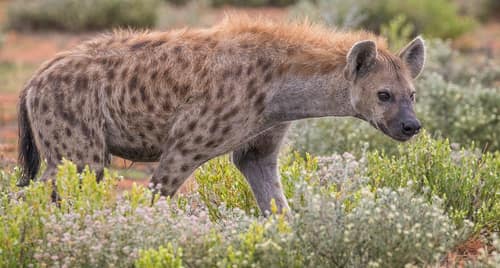
Southeast African cheetahs are the world's fastest land mammals, relying on specialized semi-retractable claws and a flexible spine to sprint across open savannahs at speeds up to 120 kilometers per hour. Unlike most other big cats, they hunt primarily during the day to avoid competition with larger nocturnal predators like lions and hyenas. Mothers raise their cubs in secluded dens, teaching them complex hunting techniques over an eighteen-month period before they disperse.
ThreatsHabitat loss, human-wildlife conflict with farmers, and competition with larger predators
HabitatsSavannahs, grasslands, shrublands, and desert lowlands
Life span10 to 12 years in the wild, up to 15 years in captivity
Classification
FamilyFelidae
SpeciesAcinonyx jubatus jubatus
Range & activity
Range data is not available yet.
Safe observation
Interaction riskHigh
Low
Moderate
High
Very high
Why interaction risk is high
Capable of defensive attacks if cornered or protecting cubs; observe from a safe vehicle distance.
Why it is dangerous
While generally timid toward humans, they possess powerful jaws and sharp claws capable of inflicting severe injuries if they feel cornered or threatened.
How to recognize a risky encounter
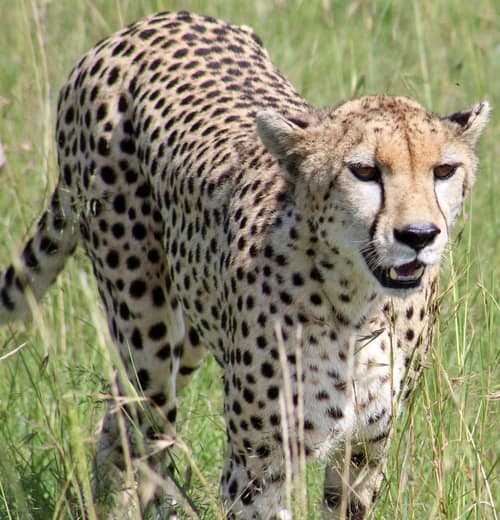
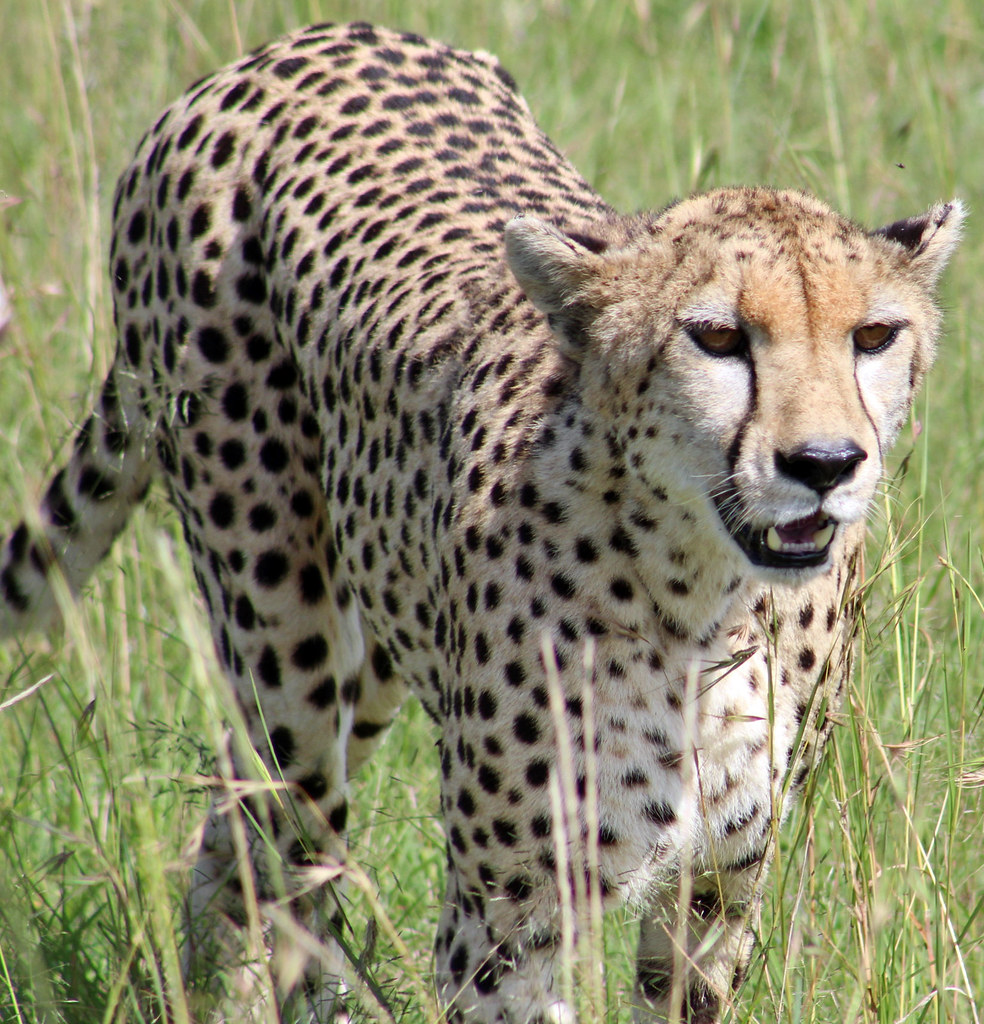
Look for a slender, long-legged build, distinctive black tear tracks running from the eyes to the mouth, and a spotted coat.
What to do
Never approach on foot, run away, or make sudden movements; back away slowly while facing the animal.
What to notice
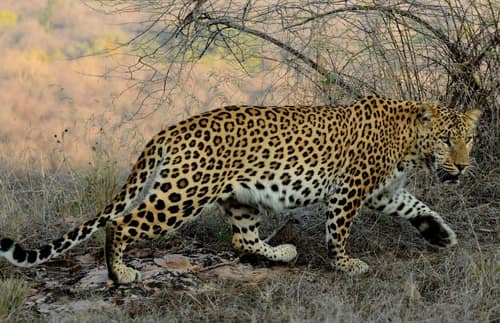
Recognizable by their tawny coats covered in solid black spots, unlike the rosettes of leopards.
Support conservation
Report sightings to local conservation databases and support predator-friendly farming initiatives.
Responsible observation
Vehicle Safety: Always remain inside your safari vehicle when viewing these cats in national parks.
Binocular Viewing: Use high-powered optics to watch their hunting behavior without disrupting the stalk.
Respect the Hunt: Avoid driving between a hunting cheetah and its target herd.