
Plant · GBIF taxon 7155753
Pong Pong
Cerbera odollamAlso known as Suicide Tree, Othalam Tree, Indian Suicide Tree
Pong pong thrives along tropical coastlines and tidal waterways, featuring glossy clustered foliage and delicate star-shaped white blossoms with vibrant yellow centers. Its heavy, green drupes drop into brackish waters where fibrous outer husks provide buoyancy, drifting across ocean currents to colonize distant shorelines. Beneath this ornamental exterior, the entire plant secretes a caustic milky latex and concentrates deadly cardiac glycosides within its seed kernels.
CoastalToxicEvergreen
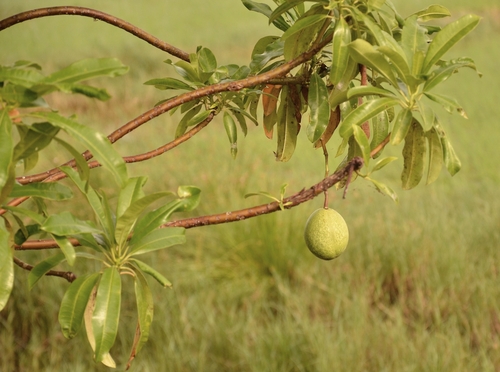
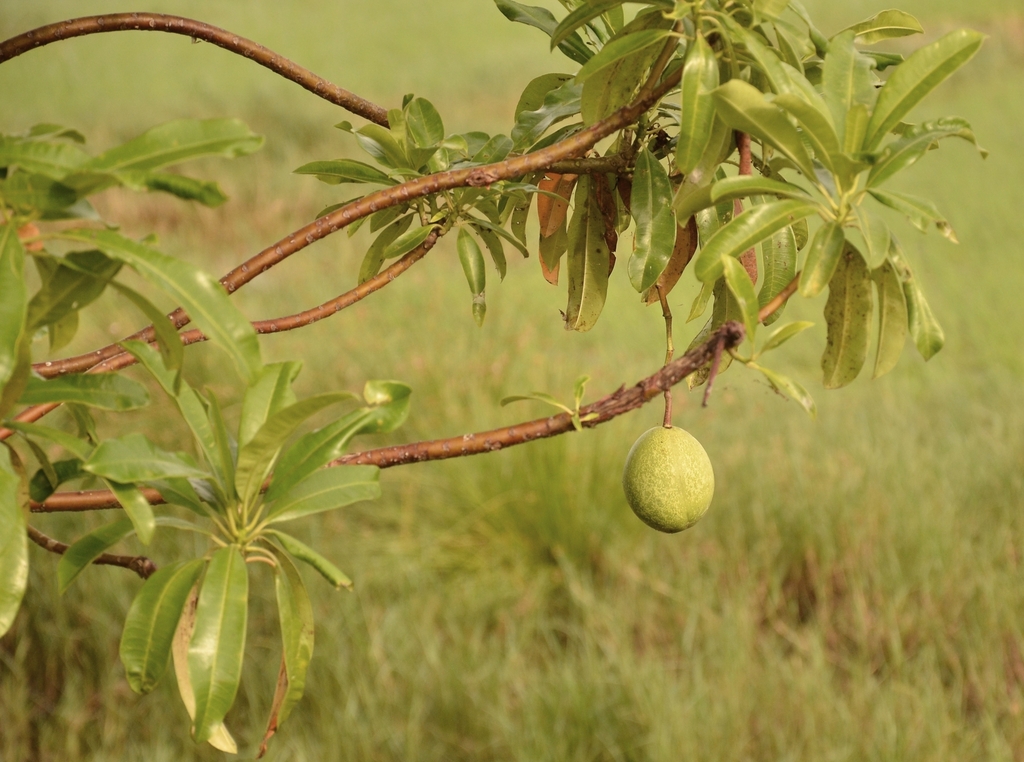
Licensed reference(c) renjus box, some rights reserved (CC BY) · cc-by
—observations
—countries
—peak records
Least ConcernConservation statusIUCN Red List categoriesLCNTVUENCREWEXLeast ConcernRed List categories, explained →
Diet & prey
- Sunlight
- Water
- Soil minerals
Predators
Not available
ThreatsCoastal development, shoreline clearing
HabitatsMangrove margins, coastal riverbanks, brackish swamps
Life span30–60 years
Size / weightNot available
Classification
- OrderGentianales
- FamilyApocynaceae
- GenusCerbera
- SpeciesCerbera odollam
Range data is not available yet.
Interaction riskHigh
- Low
- Moderate
- High
- Very high
- Why interaction risk is high
- Kernels contain lethal cardiac glycosides; never consume, and remember wild fruits possess dangerous look-alikes.
- Why it is dangerous
- Kernels contain cerberin, an extraordinarily potent cardiac glycoside that blocks electrical conduction in heart tissue and induces fatal arrhythmias.
- How to recognize a risky encounter
- Recognized by spiral-arranged glossy foliage, five-petaled white flowers with yellow centers, and round green fruits fading to fibrous brown husks.
- What to do
- Do not touch damaged fruit or white latex; wash skin thoroughly with soap and water if accidental contact occurs.
Responsible observation
- Visual Identification: Look for whorled leaves, white flowers with yellow centers, and mango-like drupes.
- Safety Precaution: Never handle cracked fruit, harvest seeds, or allow domestic animals near fallen material.
- Shoreline Etiquette: Observe fibrous drift husks washed onto beaches without handling the interior kernels.
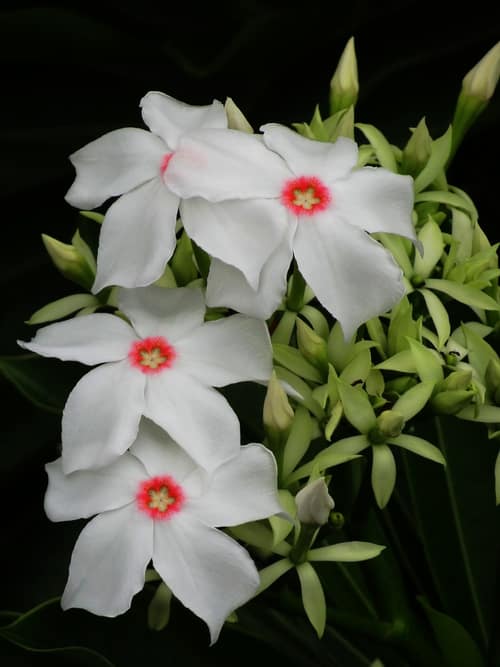
Same Genus no rights reserved, uploaded by 葉子 · cc0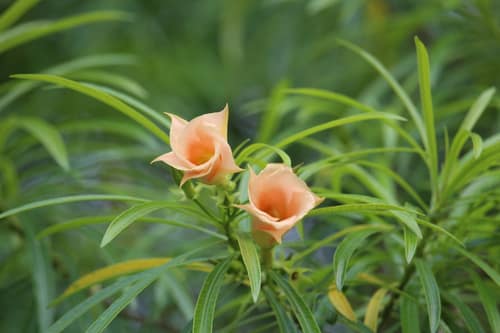
Same Family (c) Ricard Busquets Reverte, some rights reserved (CC BY), uploaded by Ricard Busquets Reverte · cc-by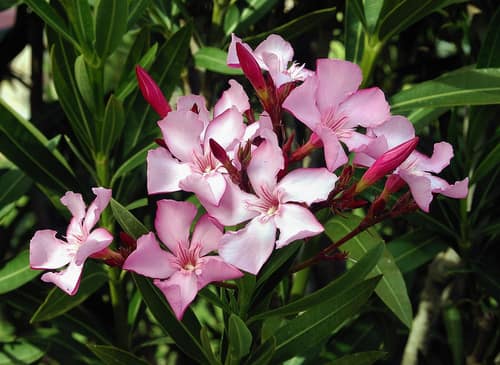
Same Family Alvesgaspar / CC BY 2.5 · cc-by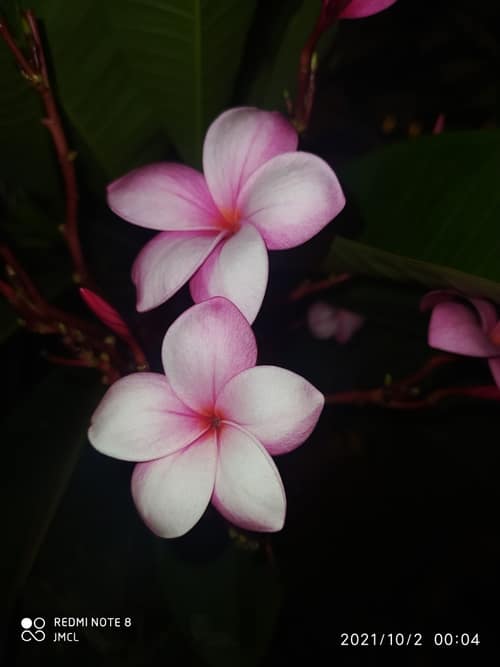
Same Family (c) Cabanillas Lopez Jesus Miguel, some rights reserved (CC BY-SA), uploaded by Cabanillas Lopez Jesus Miguel · cc-by-sa
Help improve the field guideSomething wrong?
Checking your Fauna account…Report a name, category, or profile issue for review.