Also known as Swan Plant, Narrow-Leaved Cotton Bush, African Milkweed, Wild Cotton
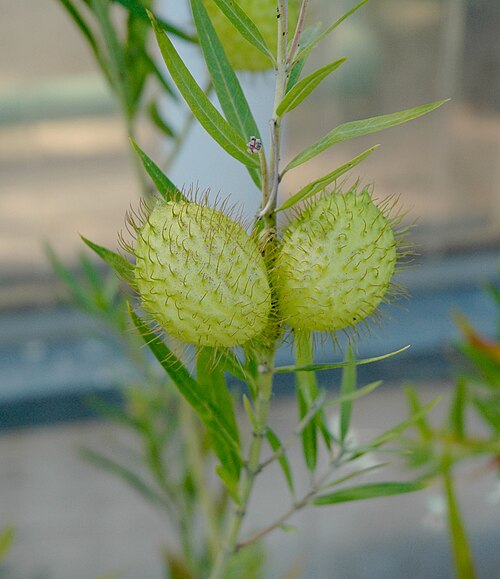
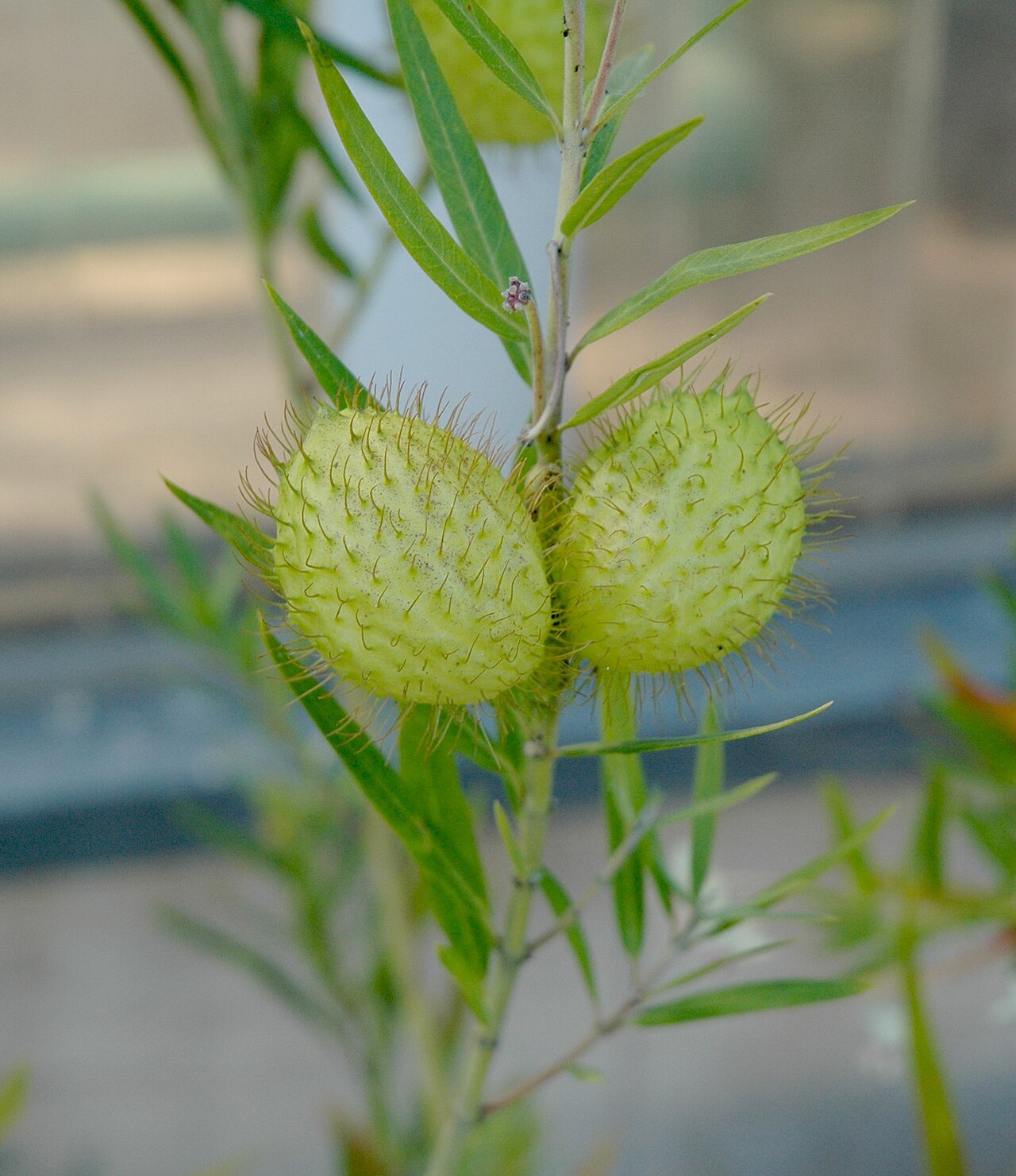
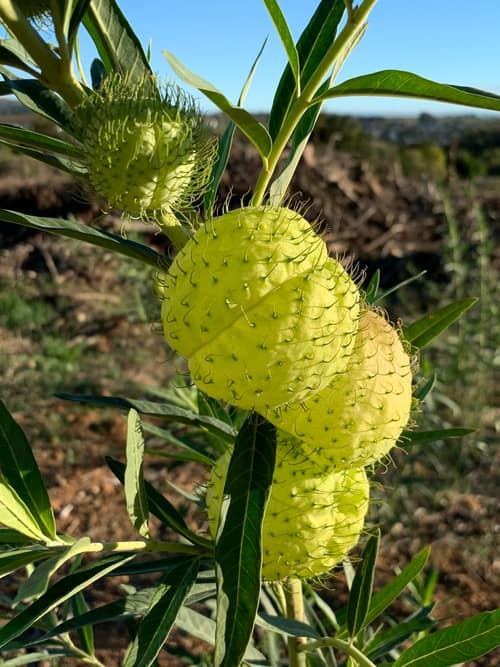
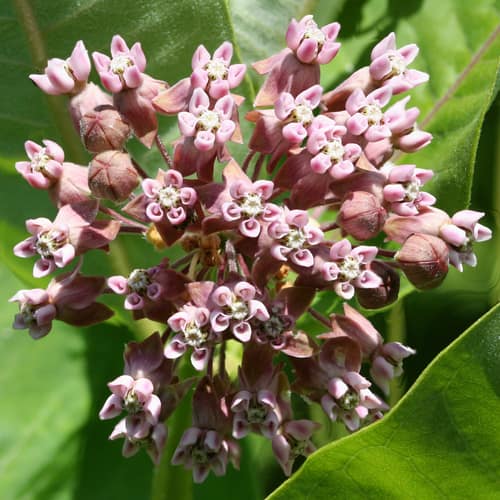
Swan plant produces pale, nodding blossoms followed by distinctive inflated seed capsules covered in soft spines that resemble floating swans. Breaking any stem releases an acrid, milky white latex packed with cardenolides that caterpillars sequester for their own chemical defense against predators. Widely established along roadsides, pastures, and disturbed ground, it readily flourishes in sunny landscapes while posing a documented poisoning risk to grazing livestock.
HabitatsDisturbed ground, roadsides, pastures, riparian banks, open scrub
Life span3–5 years
Classification
FamilyApocynaceae
SpeciesGomphocarpus fruticosus
Range & activity
Range data is not available yet.
Safe observation
Interaction riskHigh
Low
Moderate
High
Very high
Why interaction risk is high
Contains toxic cardiac glycosides and irritating latex; do not ingest and avoid contact with eyes or skin.
Why it is dangerous
Contains toxic cardenolides (cardiac glycosides) that cause gastrointestinal distress, cardiac arrhythmias, and potential heart failure, while milky latex irritates skin and causes severe eye inflammation.
How to recognize a risky encounter
Recognized by erect slender stems, narrow willow-like leaves, drooping white star-shaped flowers, and swollen, bristly, swan-shaped seed pods that leak white sap when punctured.
What to do
Wear protective gloves when weeding or pruning, avoid touching the face, and wash any sap off skin immediately with warm soapy water.
Responsible observation
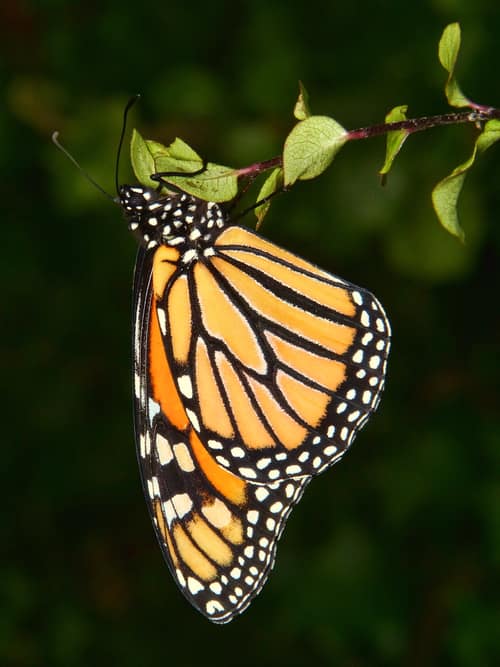
Butterfly Rearing: Plant in sunny garden borders to host monarch caterpillars, keeping plants away from curious pets.
Protective Handling: Wear garden gloves to avoid contact with the caustic white latex, which irritates skin and eyes.