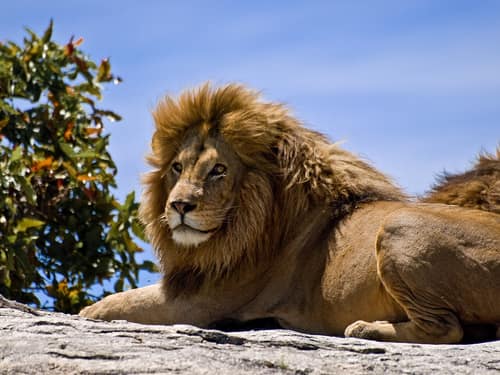
Also known as Northern Lion, Atlas Lion, Nubian Lion, Asiatic Lion
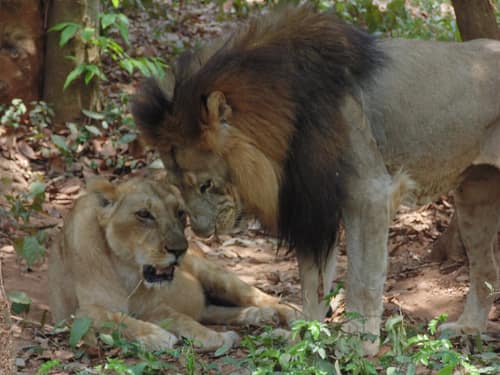
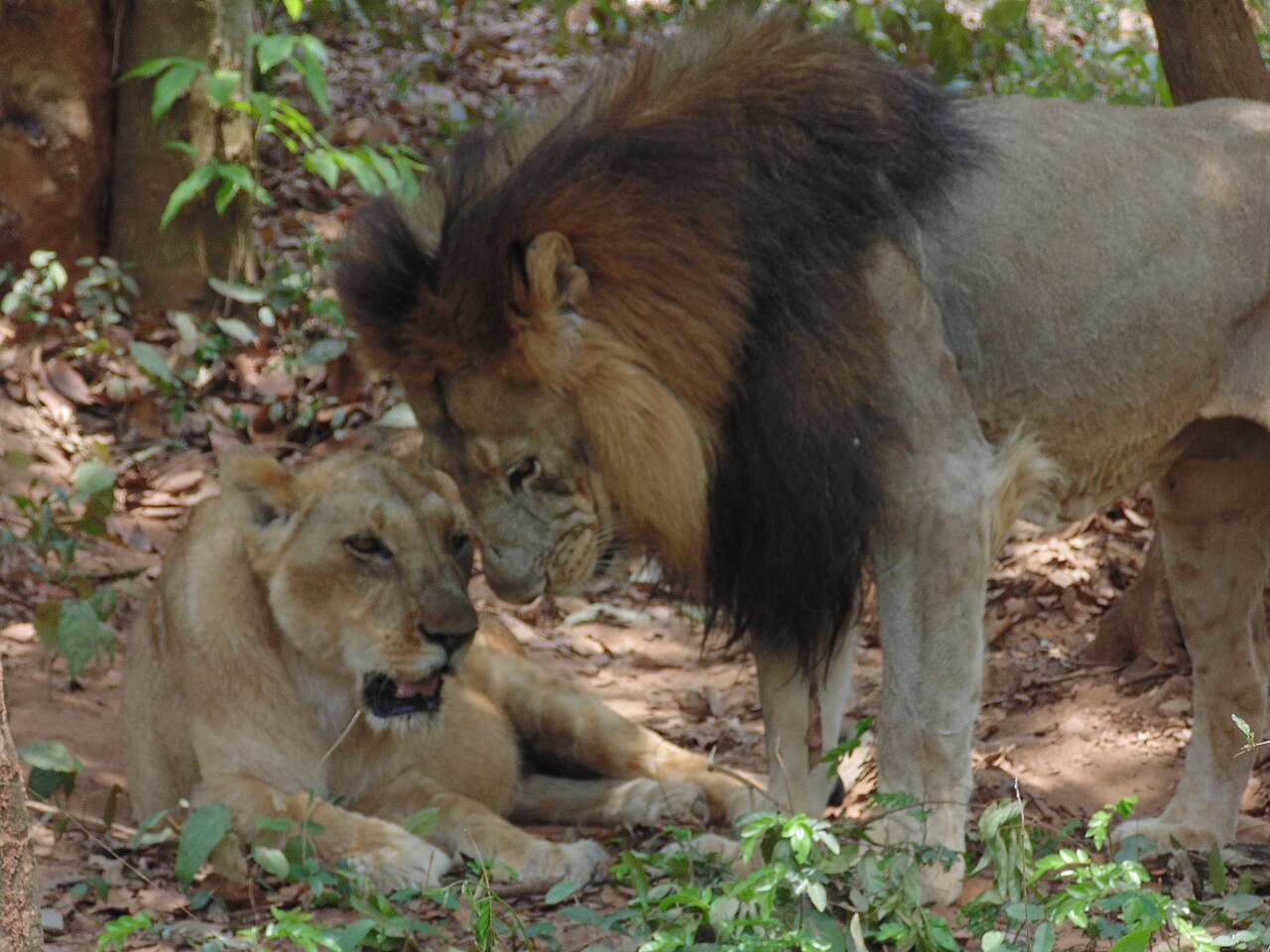
Northern lions, historically including the legendary Barbary lions of North Africa, are majestic predators distinguished by their historically massive, dark manes that extended down their bellies. Today, this subspecies survives in highly fragmented populations across West and Central Africa, as well as a single, precious stronghold in India's Gir Forest. They live in smaller prides than their southern counterparts, adapted to more arid or forested environments where prey is less densely concentrated.
ThreatsHabitat loss, human-wildlife conflict, poaching, and depletion of natural prey
HabitatsDry deciduous forests, grasslands, savannas, and scrublands
Life span10 to 15 years in the wild, up to 20 years in captivity
Classification
FamilyFelidae
SpeciesPanthera leo leo
Range & activity
Native
Safe observation
Interaction riskHigh
Low
Moderate
High
Very high
Why interaction risk is high
An apex predator capable of lethal attacks; maintain a safe distance and remain inside a vehicle during safaris.
Why it is dangerous
Possesses immense physical strength, powerful jaws, and sharp claws capable of inflicting fatal injuries instantly.
How to recognize a risky encounter
Look for a large, muscular cat with a sandy coat; males of this subspecies often have darker, more restricted manes in India, but historic North African lineages had extensive belly manes.
What to do
Never approach on foot; if encountered outside a vehicle, back away slowly without running or turning your back.
What to notice
Recognizable by its tawny coat and social pride structure, restricted to specific protected pockets in West/Central Africa and Gujarat, India.
Support conservation
Keep safari vehicles on designated tracks to avoid disrupting hunting or mating behaviors.
Responsible observation
Safari Vehicle Safety: Always remain inside your enclosed vehicle when observing these lions in protected reserves.
Respect Boundaries: Avoid making loud noises or sudden movements that could provoke a defensive charge.
Support Conservation: Visit managed national parks where eco-tourism directly funds anti-poaching patrols.