
Arachnid · GBIF taxon 6913079
Aceria guerreronis
Aceria guerreronisAlso known as Coconut Eriophyid Mite, Coconut Gall Mite
Coconut mites are microscopic, spindle-shaped arachnids that colonize the tender plant tissue hidden beneath the perianth petals of developing coconuts. Their piercing-sucking feeding ruptures meristematic cells, producing expanding pale-yellow and triangular corky brown scars as the fruit enlarges. Heavy infestations stunt nut development, cause premature fruit abortion, and can wipe out more than half of a plantation's harvest across tropical coastal regions.
MicroscopicHerbivorousAgricultural Pest
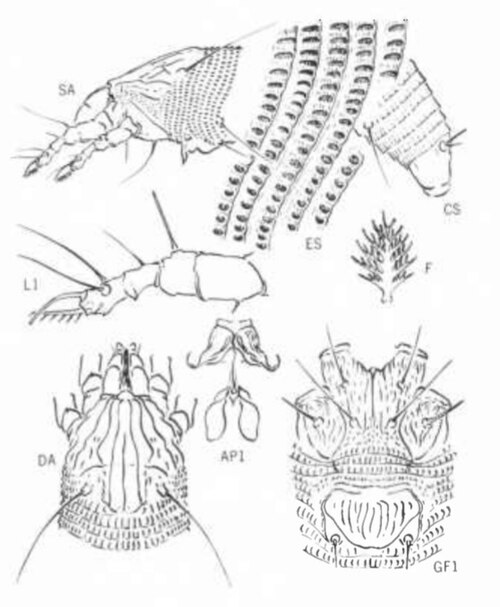
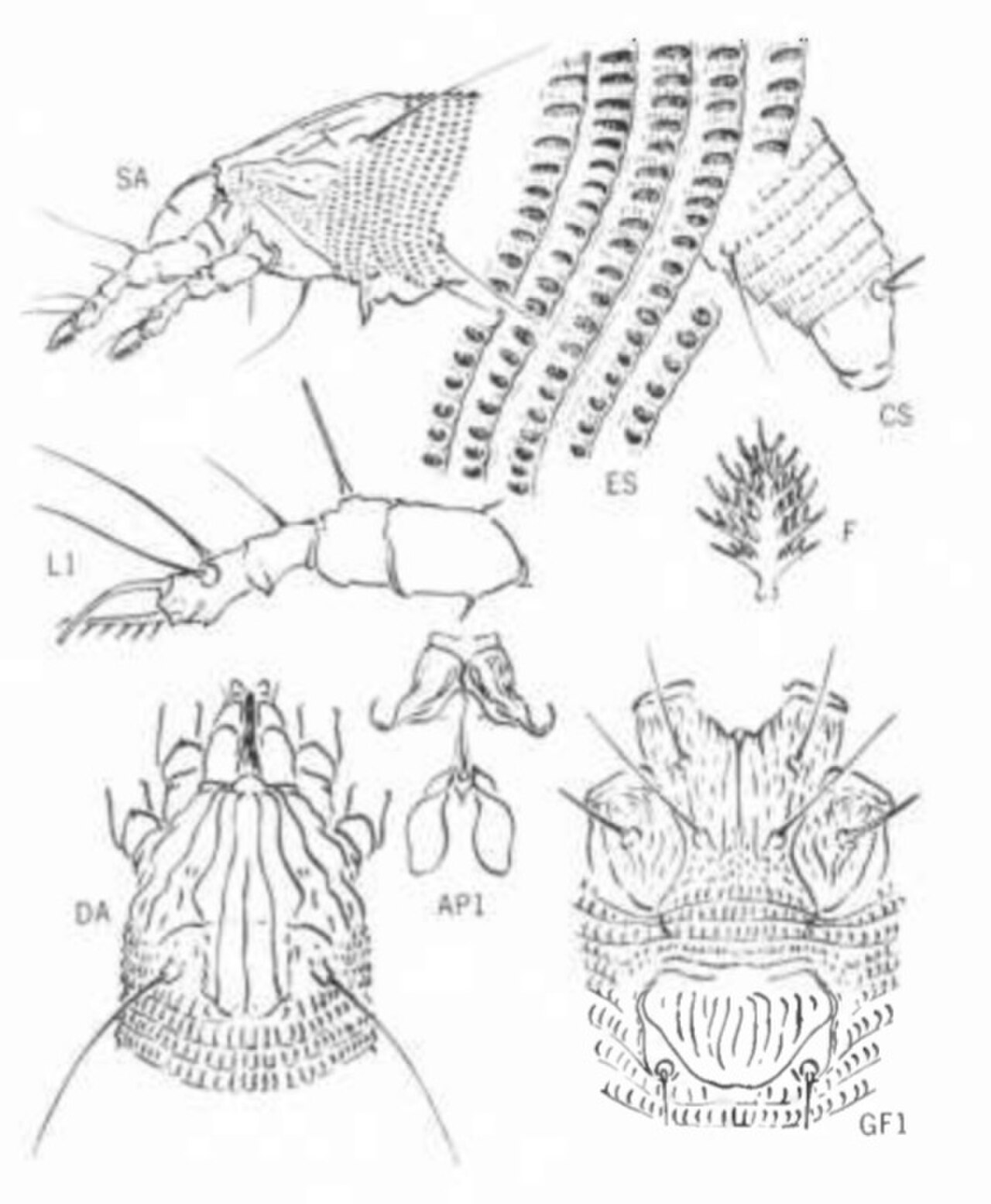
Licensed referenceHartford Hammond Keifer / Public domain · cc0
—observations
—countries
—peak records
Not EvaluatedConservation statusIUCN Red List categoriesLCNTVUENCREWEXNot Evaluated — not placed on the risk ladderRed List categories, explained →
Diet & prey
- Coconut palm tissue (Cocos nucifera)
Predators
- Predatory mite (Neoseiulus baraki)
- Predatory mite (Amblyseius largoensis)
- Entomopathogenic fungus (Hirsutella thompsonii)
ThreatsPredatory phytoseiid mites and pathogenic fungi
HabitatsTropical coconut plantations and coastal palm groves
Life span10–15 days
Classification
- FamilyEriophyidae
- SpeciesAceria guerreronis
Range data is not available yet.
Interaction riskLow
- Low
- Moderate
- High
- Very high
- Why interaction risk is low
- Safe to observe at a normal distance.
Responsible observation
- Detection: Inspect the margin of the perianth on young nuts for pale, triangular scars expanding into dark corky patches.
- Magnification: Peel back protective floral bracts and use a high-power hand lens or dissecting scope to view colonies.
- Quarantine: Avoid moving untreated immature coconuts or planting stock between regions to prevent accidental dispersal.
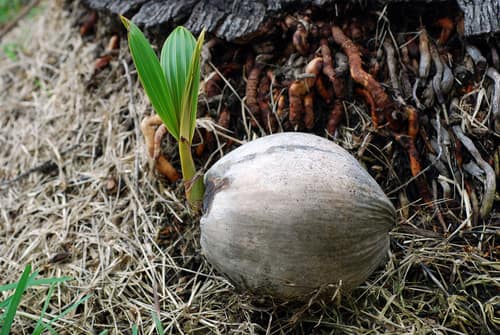
Host Plant (c) Douglas Goldman, some rights reserved (CC BY-SA), uploaded by Douglas Goldman · cc-by-sa Image unavailable
Predator Same Genus 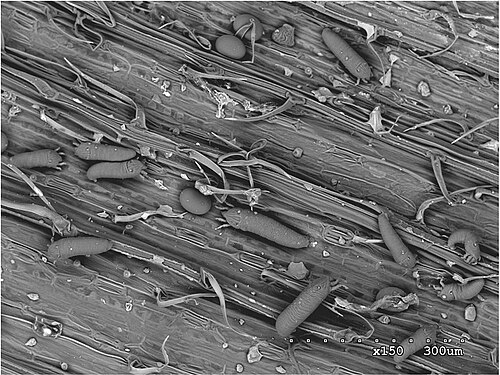
Same Genus Anna Skoracka, Brian G. Rector Brian, and Gary L. Hein / CC BY 4.0 · cc-by
Help improve the field guideSomething wrong?
Checking your Fauna account…Report a name, category, or profile issue for review.