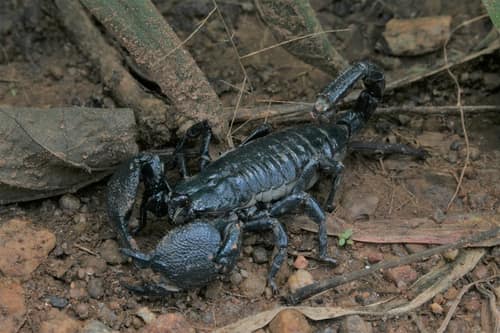
Also known as Egyptian Fat-tailed Scorpion, North African Fat-tailed Scorpion
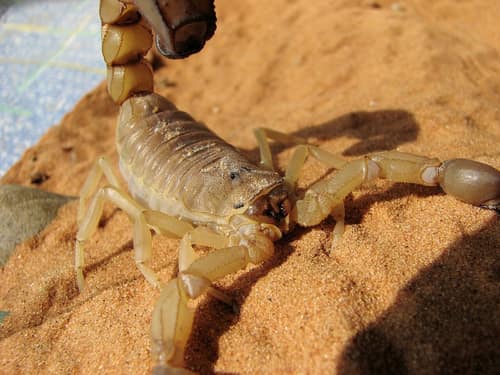
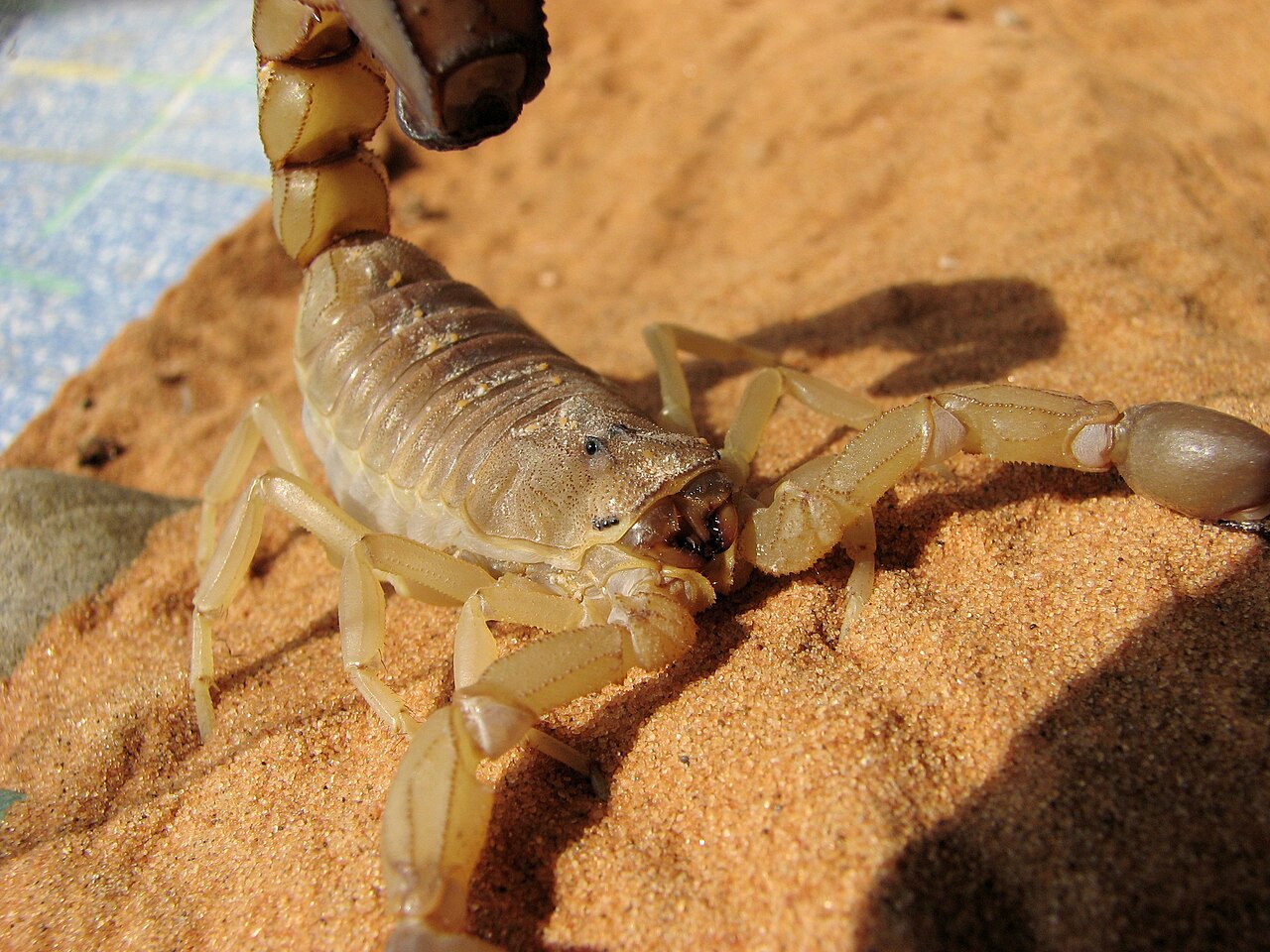
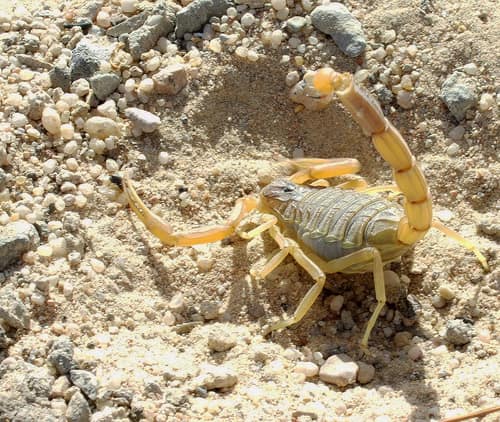
Yellow fat-tailed scorpions are heavily armored desert arachnids known for their extraordinarily thick metasoma and pale straw-colored bodies. Active primarily at night, they emerge from burrows and rock crevices to ambush passing insects, spiders, and small reptiles. Their neurotoxic venom ranks among the most potent of any scorpion, making them significant medical hazards in their native North African range.
Not EvaluatedConservation statusIUCN Red List categoriesLCNTVUENCREWEXNot Evaluated — not placed on the risk ladderRed List categories, explained →
Key facts
Diet & prey
Insects
Spiders
Small lizards
Predators
Owls
Desert monitor lizards
Hedgehogs
ThreatsHabitat disturbance and persecution due to human safety concerns
HabitatsArid deserts, dry scrubland, stony plains, and rocky crevices
Life span4–10 years
Size / weightNot available
Classification
FamilyButhidae
SpeciesAndroctonus australis
Range & activity
Range data is not available yet.
Safe observation
Interaction riskVery high
Low
Moderate
High
Very high
Why interaction risk is very high
Possesses potent neurotoxic venom; maintain a safe distance and never attempt to handle.
Why it is dangerous
Possesses potent neurotoxic venom that affects sodium channels, causing severe pain, respiratory failure, and potential fatality without antivenom treatment.
How to recognize a risky encounter
Identified by a pale yellow body and an extraordinarily broad, thick metasoma tail with darker terminal segments.
What to do
Never touch or corner this scorpion; check shoes and gear in desert environments and use long forceps if removal is required.
Responsible observation
Safe Distance: Keep several meters away and never reach into dark crevices or under rocks.
Night Viewing: Use a ultraviolet blacklight at night to spot its fluorescent exoskeleton safely.
Camp Precautions: Wear sturdy boots and check footwear and sleeping gear before use in desert habitats.