
Plant · GBIF taxon 6434985
Spatterdock
Nuphar advenaAlso known as Yellow Pond-lily, Broad-leaved Yellow Pond-lily, Cow Lily
Spatterdock anchors itself in soft sediment using thick rhizomes, thrusting heart-shaped leaves to the water surface or holding them erect above it. Its yellow, globe-like flowers barely open, relying on flies and beetles attracted to their faint alcoholic odor for pollination. Wetland birds and aquatic mammals frequently consume the seeds and starch-rich underground stems.
AquaticFloweringPerennial
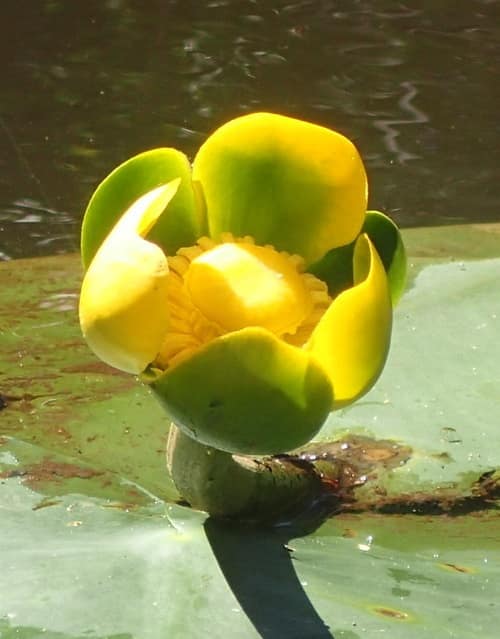

—observations
—countries
—peak records
Least ConcernConservation statusIUCN Red List categoriesLCNTVUENCREWEXLeast ConcernRed List categories, explained →
Diet & prey
- Autotrophic
Predators
- Muskrats
- Beavers
- Waterfowl
ThreatsWetland destruction, water pollution, and invasive aquatic plants
HabitatsPonds, lakes, slow-moving streams, and marshes
Life spanPerennial
Size / weightNot available
Classification
- OrderNymphaeales
- FamilyNymphaeaceae
- GenusNuphar
- SpeciesNuphar advena
Range data is not available yet.
Interaction riskLow
- Low
- Moderate
- High
- Very high
- Why interaction risk is low
- Safe to observe from shore or watercraft.
Responsible observation
- Viewing from Water: Approach quietly in a kayak or canoe to examine flowers without disturbing soft sediment.
- Stem Identification: Look for heart-shaped leaf blades held erect above the water on spongy, flattened stalks.
- Observing Pollinators: Watch the partially closed flowers in early summer to spot visiting beetles and flies.
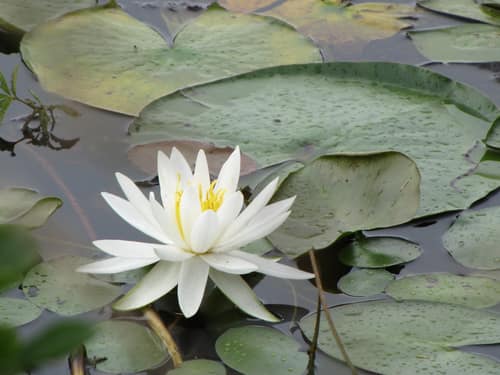
Co-occurring Native "fragrant water lily" by USFWS Headquarters is licensed under CC BY 2.0. To view a copy of this license, visit https://creativecommons.org/licenses/by/2.0/. · cc-by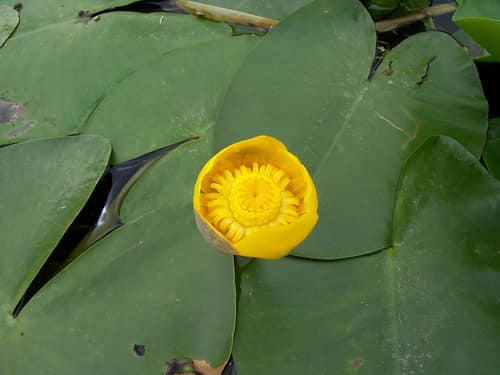
Close Relative Wikimedia Commons / CC BY-SA 2.0 de · cc-by-sa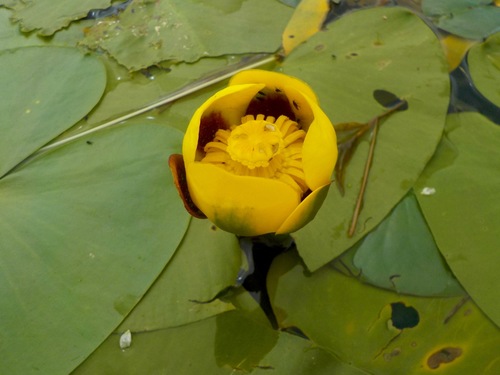
Close Relative (c) Rose Zappa, some rights reserved (CC BY), uploaded by Rose Zappa · cc-by
Keep collecting in Fauna
Found in Collections
Ecosystem chain
Wetland Territory
Spatterdock is found in this collection. Identify it in Fauna to fill this slot and continue your progress.
—/12
Help improve the field guideSomething wrong?
Checking your Fauna account…Report a name, category, or profile issue for review.