
Plant
American White Waterlily
Nymphaea odorataAlso known as Fragrant White Water Lily
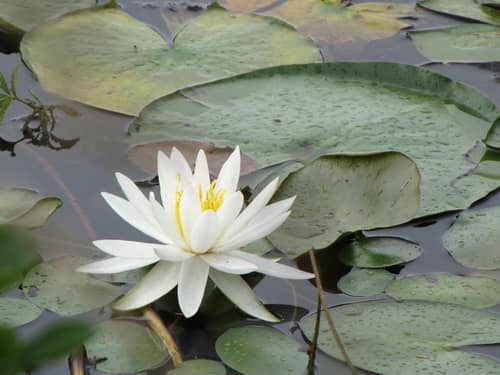
American white waterlily has round floating leaves split by a deep notch and fragrant white flowers centered in yellow. Long flexible stalks connect the surface growth to rhizomes anchored in soft sediment below.
Aquatic PlantFloating LeavesFragrant Flower

—observations
—countries
—peak records
Least ConcernConservation statusIUCN Red List categoriesLCNTVUENCREWEXLeast ConcernRed List categories, explained →
Diet & preyPhotosynthetic; anchored rhizomes absorb nutrients from saturated bottom sediment
Predators
- Waterfowl
- Aquatic beetles
- Muskrats
ThreatsWetland drainage, polluted runoff, boat damage, altered water levels, and invasive aquatic plants
HabitatsShallow lakes, ponds, bog pools, slow rivers, marshy coves, and permanent quiet water
Life spanLong-lived perennial whose rhizome colonies can persist for many years
Classification
- OrderNymphaeales
- FamilyNymphaeaceae
- GenusNymphaea
- SpeciesNymphaea odorata
Range data is not available yet.
Interaction riskLow
- Low
- Moderate
- High
- Very high
- Why interaction risk is low
- Wild waterlilies can be misidentified; do not eat or ingest any part, and never dig up rooted plants.
Responsible observation
- Leaf: Confirm a round floating blade with a deep V-shaped notch.
- Flower: Notice many white petals surrounding a dense yellow center.
- Safety: View from stable shore rather than wading among rooted plants.
Keep collecting in Fauna
Found in Collections
Ecosystem chain
Wetland Territory
American White Waterlily is found in this collection. Identify it in Fauna to fill this slot and continue your progress.
—/12
Help improve the field guideSomething wrong?
Checking your Fauna account…Report a name, category, or profile issue for review.