
Plant
Pineapple Sage
Salvia elegansAlso known as Tangerine Sage, Scarlet Pineapple Sage
Crisp pineapple-scented leaves and brilliant scarlet tubular flowers define this robust highland shrub, which bursts into bloom as day lengths shorten in late autumn. Adapted to the moist pine-oak forests of Mesoamerica, it provides critical nectar for migratory hummingbirds fueling up before winter. The blossoms feature a specialized lever mechanism on their stamens that dusts visiting bird foreheads with pollen during feeding.
AromaticFloweringPerennial
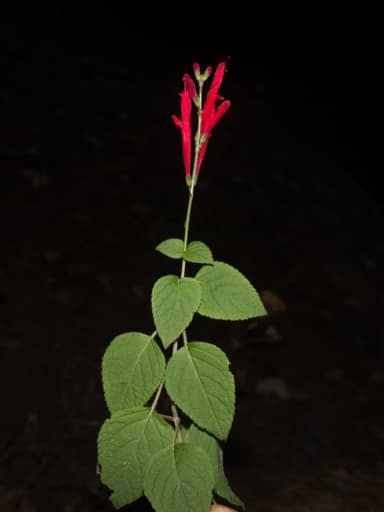
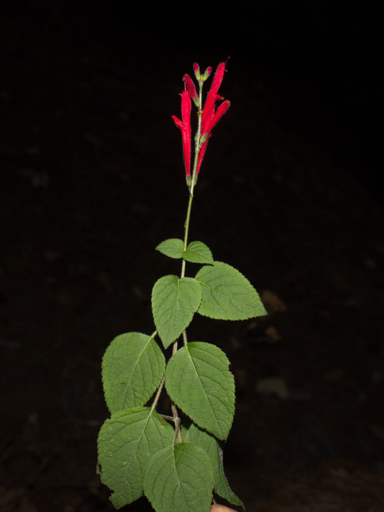
—observations
—countries
—peak records
Not EvaluatedConservation statusIUCN Red List categoriesLCNTVUENCREWEXNot Evaluated — not placed on the risk ladderRed List categories, explained →
Diet & preySunlight, Soil nutrients, Water
Predators
- Aphids
- Spider mites
- Slugs
ThreatsHabitat clearance, livestock grazing, severe frost events
HabitatsMontane pine-oak woodlands, cloud forest margins, sunny clearings
Life span5–10 years
Classification
- FamilyLamiaceae
- SpeciesSalvia elegans
Range data is not available yet.
Interaction riskLow
- Low
- Moderate
- High
- Very high
- Why interaction risk is low
- Safe to observe at a normal distance.
Responsible observation
- Foliage Scent: Gently brush leaves between fingers to release the sweet tropical fragrance.
- Pollinator Watching: Stake out blooming stands in late autumn to spot territorial hummingbirds.
- Pruning Inspection: Look for fresh basal shoots emerging in early spring after winter dieback.
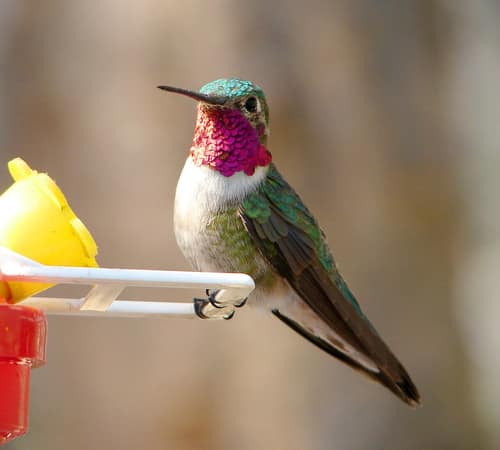
Pollinator Michelle Lynn Reynolds / CC BY-SA 3.0 · cc-by-sa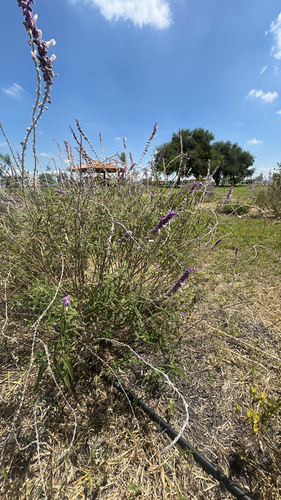
Same Genus no rights reserved · cc0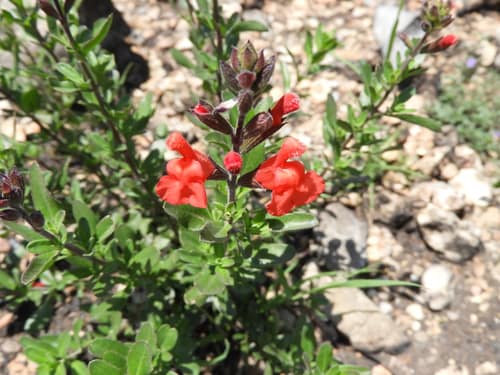
Same Genus (c) Leticia Jiménez Hernández, some rights reserved (CC BY-SA), uploaded by Leticia Jiménez Hernández · cc-by-sa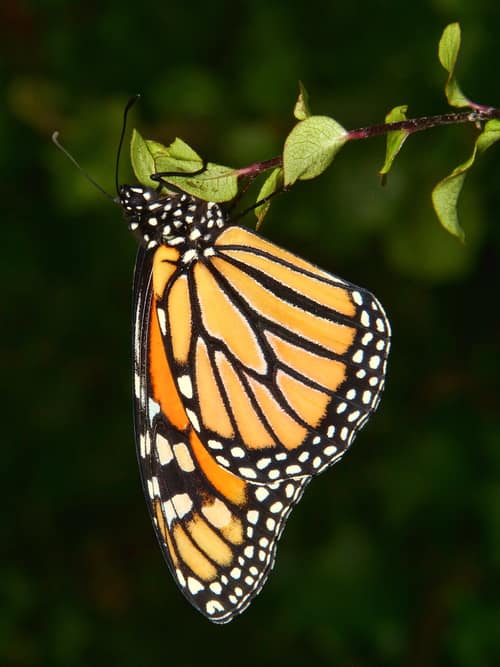
Pollinator Sid Mosdell from New Zealand / CC BY 2.0 · cc-by
Help improve the field guideSomething wrong?
Checking your Fauna account…Report a name, category, or profile issue for review.