
Plant · GBIF taxon 6391446
Copse-bindweed
Fallopia dumetorumAlso known as Copse Bindweed, Hedge Buckwheat
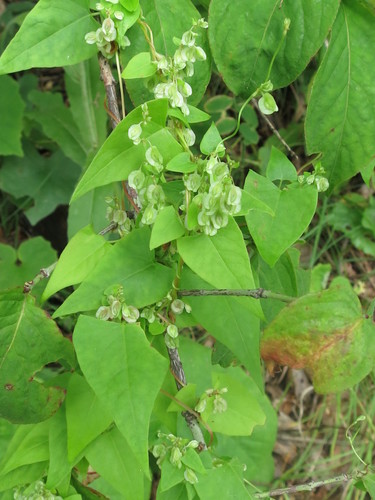
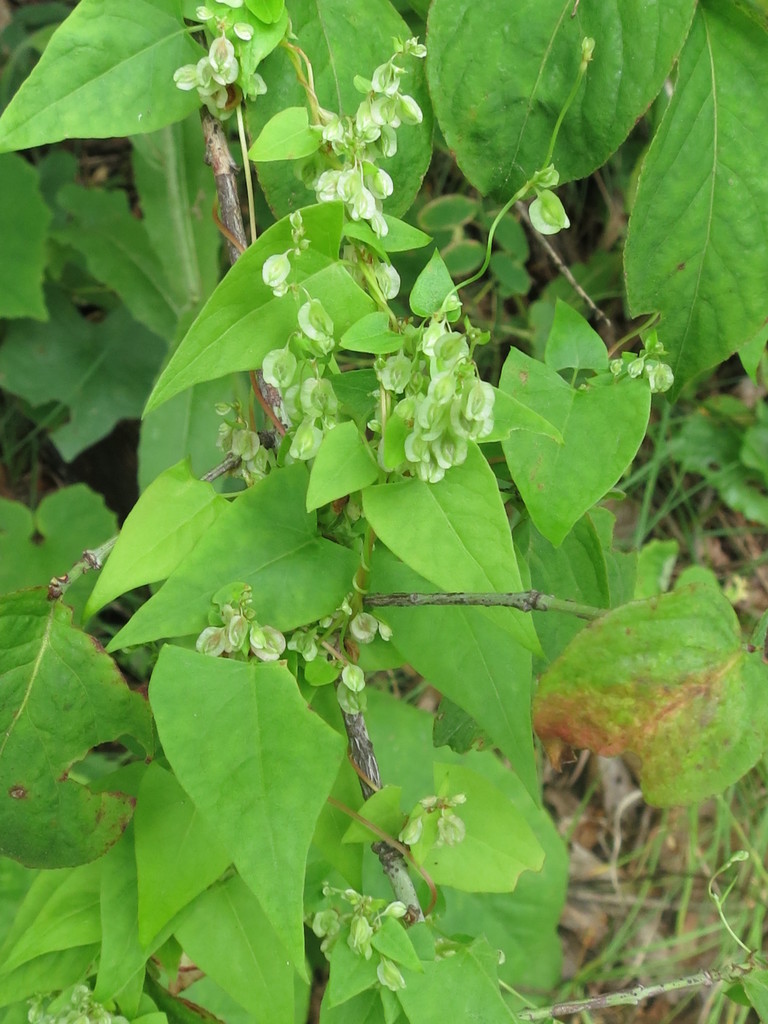
Copse-bindweed twines around surrounding stems and shrubbery, quickly scrambling upward to maximize leaf exposure to sunlight. Its winged fruits feature paper-thin margins that catch the breeze, aiding seed dispersal across forest edges and hedgerows. Though often confused with black-bindweed, this fast-growing climber is distinguished by its smooth, broadly winged achene stalks.
ClimberTwiningWildflower
 1 / 7
1 / 7—observations
—countries
—peak records
Least ConcernConservation statusIUCN Red List categoriesLCNTVUENCREWEXLeast ConcernRed List categories, explained →
Diet & prey
- Autotrophic (photosynthetic)
Predators
- Aphids
- Caterpillars
- Flea beetles
ThreatsHabitat clearance, herbicide use, competition from aggressive weeds
HabitatsWoodland edges, thickets, hedges, riverbanks, disturbed ground
Life spanAnnual
Classification
- FamilyPolygonaceae
- SpeciesFallopia dumetorum
Range data is not available yet.
Interaction riskLow
- Low
- Moderate
- High
- Very high
- Why interaction risk is low
- Safe to observe at a normal distance.
Responsible observation
- Spotting: Search along sunny woodland edges and damp scrub for twining stems during mid-to-late summer.
- Identification: Look closely at the fruit stalks; smooth, broad wing-like margins distinguish it from black-bindweed.
- Observation: Handle stems gently to avoid breaking the delicate winged seeds.
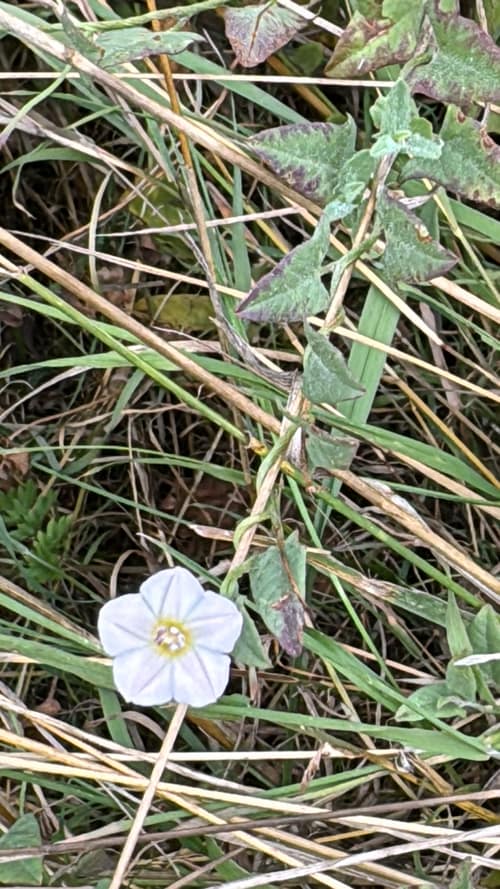
Look-alike (c) William Stephens, some rights reserved (CC BY) · cc-by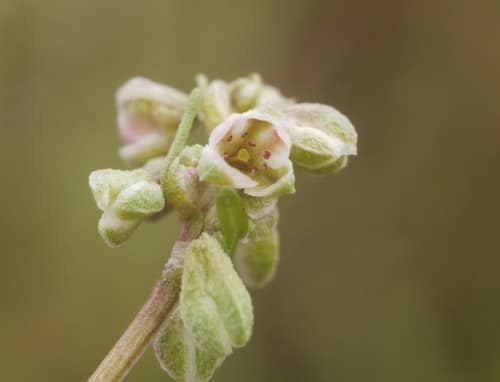
Close Relative (c) Roman, some rights reserved (CC BY), uploaded by Roman · cc-by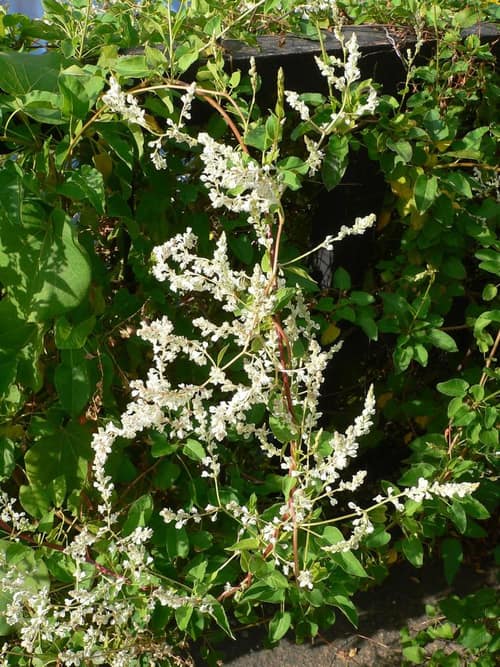
Close Relative (c) anonymous, some rights reserved (CC BY-SA) · cc-by-sa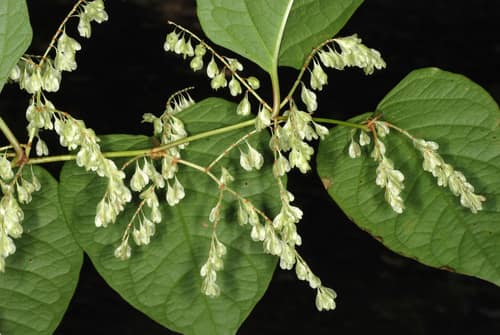
Family Relative (c) Douglas Goldman, some rights reserved (CC BY-SA), uploaded by Douglas Goldman · cc-by-sa
Help improve the field guideSomething wrong?
Checking your Fauna account…Report a name, category, or profile issue for review.