
Plant · GBIF taxon 2889173
Japanese Knotweed
Reynoutria japonicaAlso known as Asian Knotweed, Fleeceflower, Donkey Rhubarb
Japanese knotweed forms dense, impenetrable thickets of hollow, bamboo-like stems adorned with reddish speckles and broad shield-shaped leaves. Rising rapidly each spring from massive underground rhizome networks, it smothers native vegetation and can even penetrate concrete or asphalt. Delicate sprays of creamy white flowers bloom in late summer, providing abundant late-season nectar for honeybees before foliage dies back in winter.
InvasiveFloweringPerennial
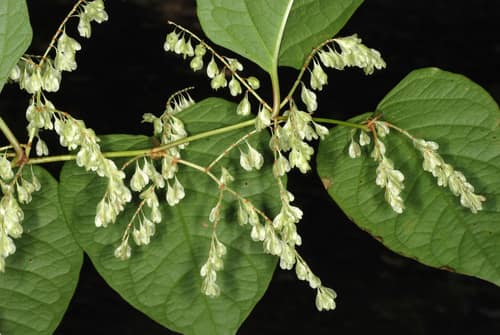
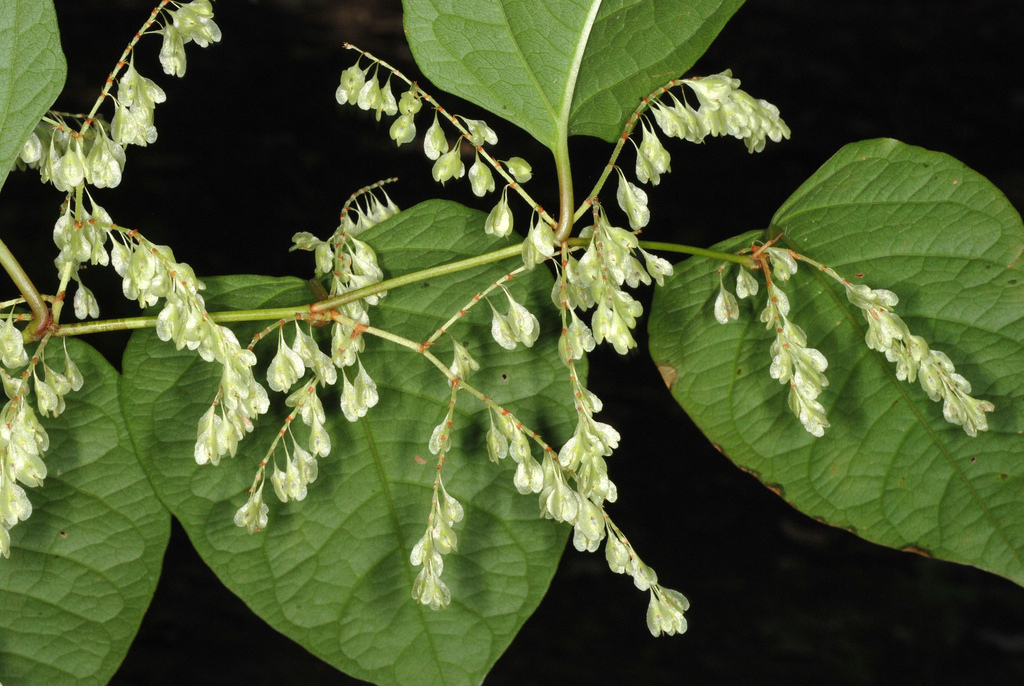 1 / 7
1 / 7—observations
—countries
—peak records
Not EvaluatedConservation statusIUCN Red List categoriesLCNTVUENCREWEXNot Evaluated — not placed on the risk ladderRed List categories, explained →
Diet & prey
- Autotrophic (Photosynthetic)
Predators
- Knotweed Psyllid
- Grazing Livestock
ThreatsHerbicides, mechanical excavation, biological control agents
HabitatsRiparian zones, roadsides, riverbanks, disturbed urban soil
Life spanPerennial (rhizomes survive for decades)
Classification
- OrderCaryophyllales
- FamilyPolygonaceae
- GenusReynoutria
- SpeciesReynoutria japonica
Range data is not available yet.
Interaction riskLow
- Low
- Moderate
- High
- Very high
- Why interaction risk is low
- Safe to observe at a normal distance; wild plants have toxic look-alikes, so never ingest unverified foliage.
Responsible observation
- Identification: Look for hollow, bamboo-like green stems with red spots and zig-zagging branch patterns.
- Management: Avoid composting stem or root cuttings, as tiny fragments easily root and create new colonies.
- Seasonal Timing: Look for feathery white flower plumes covering dense thickets during late August and September.
 Image unavailable
Related Invasive 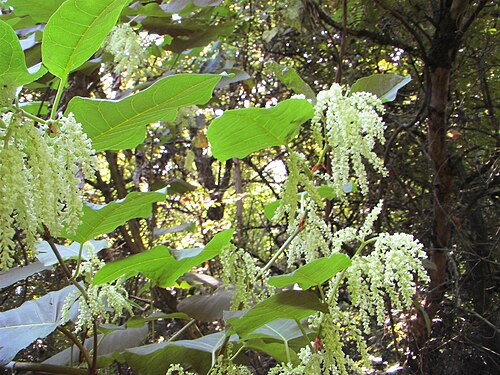
Close Relative Velocicaptor at en.wikipedia / Public domain · cc0Hybrid Relative 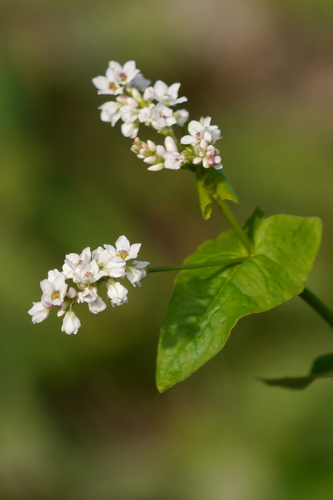
Crop Relative (c) joy russell, some rights reserved (CC BY), uploaded by joy russell · cc-by
Help improve the field guideSomething wrong?
Checking your Fauna account…Report a name, category, or profile issue for review.