
Bird · GBIF taxon 6175926
Maasai Ostrich
Struthio camelus massaicusAlso known as East African Ostrich, Pink-necked Ostrich
Maasai ostriches are giant flightless birds recognizable by the bare, pinkish-red skin on the necks and legs of mature males during the breeding season. Roaming the open grasslands of Kenya and Tanzania, these swift runners live in loose nomadic groups and rely on exceptional eyesight to detect predators from great distances. Dominant males scrape shallow ground nests where multiple females lay eggs, with males incubating by night and females taking the day shift.
FlightlessSavannahLarge Bird
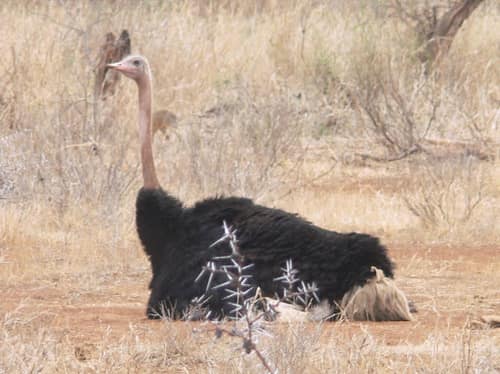
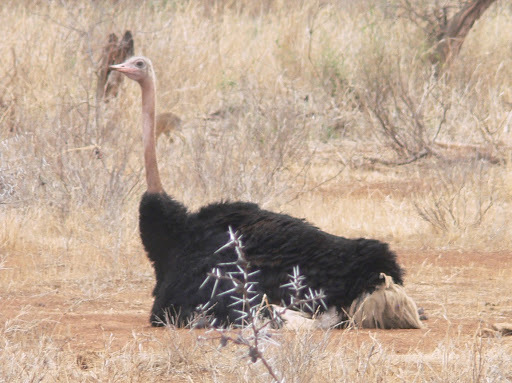
Licensed reference(c) 116916927065934112165, some rights reserved (CC BY) · cc-by
—observations
—countries
—peak records
Least ConcernConservation statusIUCN Red List categoriesLCNTVUENCREWEXLeast ConcernRed List categories, explained →
Diet & prey
- Grasses and Seeds
- Succulent Shrubs
- Insects
Predators
- Lions
- Cheetahs
- Spotted Hyenas
ThreatsHabitat fragmentation, egg collection, poaching for meat and feathers
HabitatsSavannahs, semi-arid plains, open grasslands
Life span30–40 years in the wild
Size / weightNot available
Classification
- FamilyStruthionidae
- SpeciesStruthio camelus massaicus
Range data is not available yet.
Interaction riskHigh
- Low
- Moderate
- High
- Very high
- Why interaction risk is high
- Delivers powerful, potentially lethal forward kicks; maintain a safe distance, especially around nests or chicks.
- Why it is dangerous
- Equipped with massive foot claws and incredible leg power, an ostrich kick can easily break bones or cause fatal internal injuries.
- How to recognize a risky encounter
- Towering height over two meters with bright pinkish-red bare skin on the neck and legs of mature males.
- What to do
- Maintain a distance of at least 50 meters, stay inside safari vehicles, and never step between an adult and its chicks.
Responsible observation
- Observe from vehicles: Remain inside safari vehicles, as ostriches tolerate cars much better than walking humans.
- Give nests space: Never approach brooding adults or chicks, as males fiercely defend their nesting territory.
- Watch posture cues: An alarmed ostrich will lower its head, fluff its body feathers, or hiss before charging.
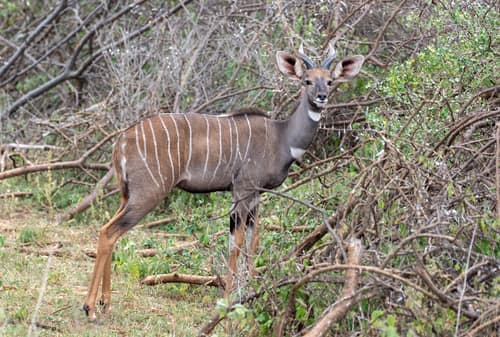
Frequent Companion (c) Forest Botial-Jarvis, einige Rechte vorbehalten (CC BY), hochgeladen von Forest Botial-Jarvis · cc-by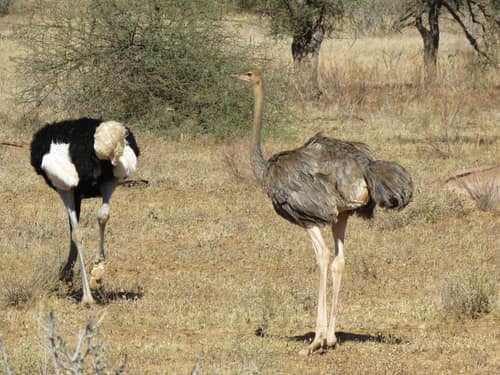
Close Relative (c) Annika Lindqvist, some rights reserved (CC BY), uploaded by Annika Lindqvist · cc-by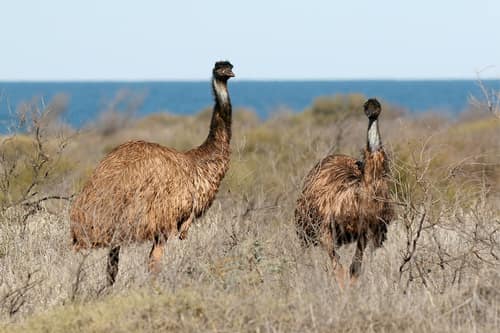
Ratite Relative (c) patrickkavanagh, some rights reserved (CC BY) · cc-by
Help improve the field guideSomething wrong?
Checking your Fauna account…Report a name, category, or profile issue for review.