
Bird · GBIF taxon 2495149
Somali Ostrich
Struthio molybdophanesAlso known as Blue-necked Ostrich
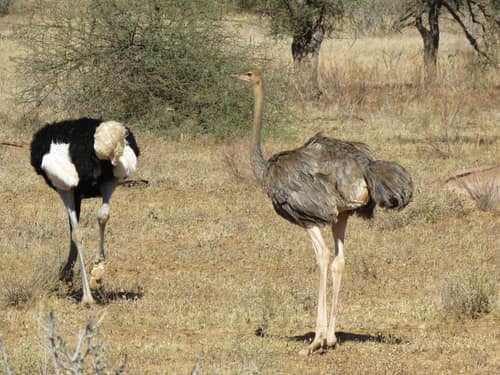
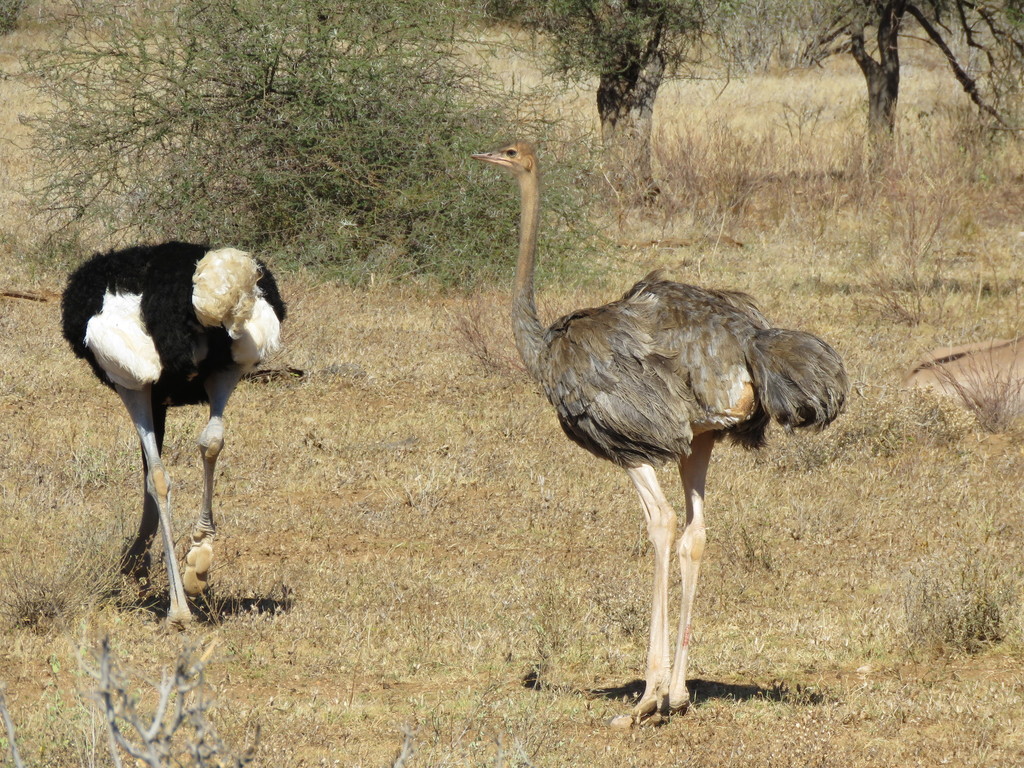
Somali ostriches inhabit the dry brushlands and semideserts of the Horn of Africa, easily recognized by the slate-blue skin on their necks and thighs. During the breeding season, the skin on the males turns an even brighter, vivid blue, creating a striking contrast against their deep black plumage and bright white tail feathers. These flightless giants forage in nomadic flocks, relying on extraordinary running speeds to outpace savannah predators.
FlightlessSavannahLarge Bird
 1 / 7
1 / 7—observations
—countries
—peak records
VulnerableConservation statusIUCN Red List categoriesLCNTVUENCREWEXVulnerableRed List categories, explained →
Diet & prey
- Seeds
- Acacia leaves
- Succulents
Predators
- Lions
- Leopards
- Cheetahs
ThreatsEgg collection, poaching for meat and feathers, habitat loss
HabitatsArid bushland, semidesert, dry acacia scrub
Life span30–40 years in the wild
Size / weightNot available
Classification
- FamilyStruthionidae
- SpeciesStruthio molybdophanes
Range data is not available yet.
Interaction riskHigh
- Low
- Moderate
- High
- Very high
- Why interaction risk is high
- Capable of delivering powerful, potentially fatal kicks; maintain a safe distance and never corner them.
- Why it is dangerous
- Delivers forward-thrusting kicks with long, clawed toes capable of breaking bones or causing fatal injuries.
- How to recognize a risky encounter
- Look for massive flightless birds with grey-blue skin on the neck and legs, with males displaying black and white plumage.
- What to do
- Observe from inside vehicles or behind barriers; if approached on foot, back away slowly without making sudden movements.
- What to notice
- Distinguished by grey-blue bare skin on the neck, contrasting with the pinkish skin of common ostriches.
- Support conservation
- Maintain generous distances to avoid flushing brooding adults or disturbing vulnerable nesting sites.
Responsible observation
- Observe from Vehicles: Stay inside safari vehicles when viewing in national parks to avoid triggering a defense response.
- Respect Nest Sites: Keep far away from communal ground nests to prevent parents from abandoning eggs.
- Watch for Breeding Males: Give wide clearance to males with vivid blue neck skin, as they aggressively defend territory.
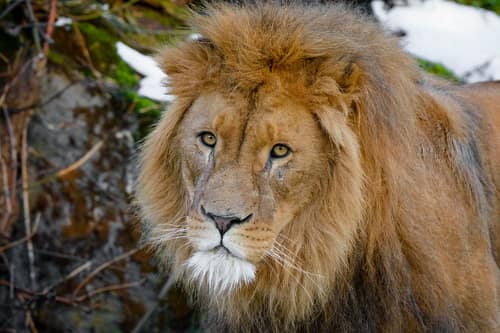
Predator "African Lion" by Mathias Appel is marked with CC0 1.0. To view the terms, visit https://creativecommons.org/publicdomain/zero/1.0/. · cc0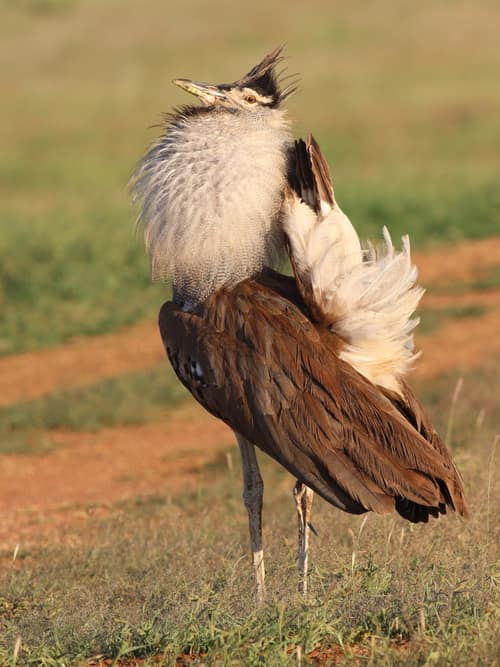
Frequent Companion (c) Jan Ebr & Ivana Ebrová, some rights reserved (CC BY), uploaded by Jan Ebr & Ivana Ebrová · cc-by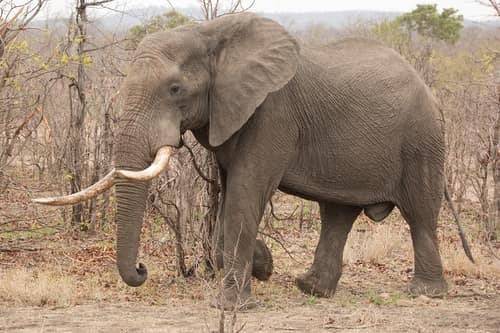
Frequent Companion (c) dhfischer, some rights reserved (CC BY), uploaded by dhfischer · cc-by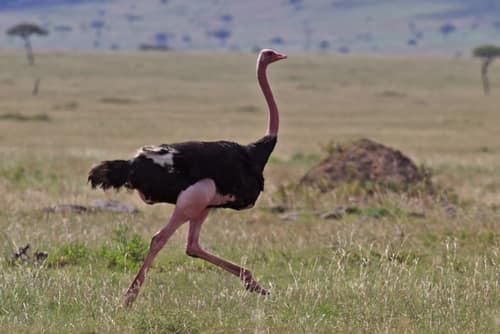
Close Relative (c) Jan Ebr & Ivana Ebrová, some rights reserved (CC BY), uploaded by Jan Ebr & Ivana Ebrová · cc-by
Help improve the field guideSomething wrong?
Checking your Fauna account…Report a name, category, or profile issue for review.