
Mammal
Asiatic Cheetah
Acinonyx jubatus venaticusAlso known as Iranian Cheetah, Indian Cheetah
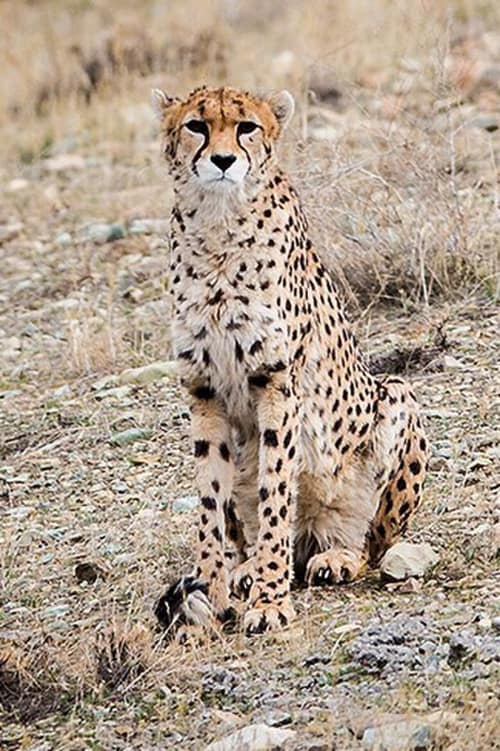
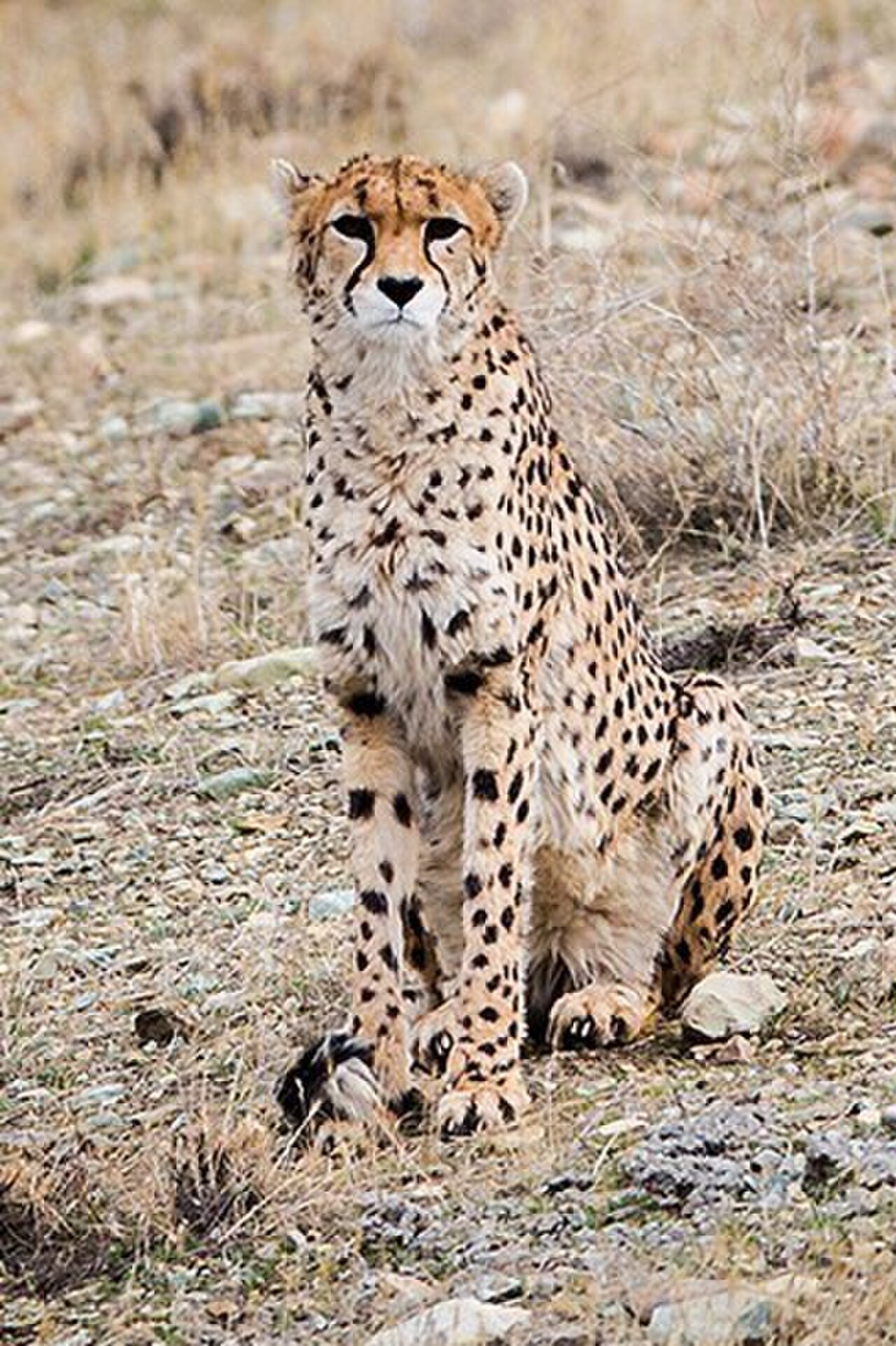
Asiatic cheetahs are the last surviving cheetahs of Asia, uniquely adapted to the harsh, arid deserts and mountain foothills of central Iran. They sport a slightly thicker coat and a more powerful neck than their African relatives, helping them navigate rugged, rocky terrains. These solitary sprinters rely on incredible bursts of speed to hunt wild sheep and gazelles across vast, open plains.
CrepuscularEndangeredFastest
—observations
—countries
—peak records
Critically EndangeredConservation statusIUCN Red List categoriesLCNTVUENCREWEXCritically EndangeredRed List categories, explained →
Diet & preyGoitered Gazelle, Urial, Cape Hare
Predators
- Gray Wolf
- Persian Leopard
- Human
ThreatsHabitat fragmentation, prey depletion, vehicle collisions, and illegal poaching
HabitatsArid deserts, semi-desert plains, and rugged mountain foothills
Life span10 to 12 years in the wild
Classification
- FamilyFelidae
- SpeciesAcinonyx jubatus venaticus
Range data is not available yet.
Interaction riskHigh
- Low
- Moderate
- High
- Very high
- Why interaction risk is high
- A powerful predator capable of defending itself; maintain a safe distance and never approach.
- Why it is dangerous
- Equipped with powerful jaws, sharp claws, and extreme speed, they can inflict severe injuries if cornered or defending cubs.
- How to recognize a risky encounter
- Look for a slender, spotted body, distinct black tear stripes, and a slightly thicker coat than African cheetahs.
- What to do
- Never approach on foot; remain inside a vehicle and back away slowly if the animal shows signs of agitation.
- What to notice
- Recognizable by its pale, sandy-colored coat, small spots, and restricted range within central Iran.
- Support conservation
- Keep all sighting locations confidential on public social media to prevent poaching and disturbance.
Responsible observation
- Respect Protected Areas: Only travel through designated Iranian wildlife sanctuaries with authorized local guides.
- Use Telephoto Lenses: Capture any rare sightings from a distance to avoid causing stress to these highly sensitive cats.
- Report Sightings: Share GPS coordinates and photos with local conservation groups to aid population monitoring.
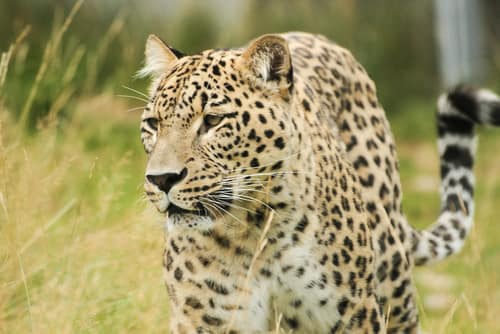
Competitor "Persian Leopard at Orsa Björnpark" by fridabredesen is marked with CC0 1.0. To view the terms, visit https://creativecommons.org/publicdomain/zero/1.0/. · cc0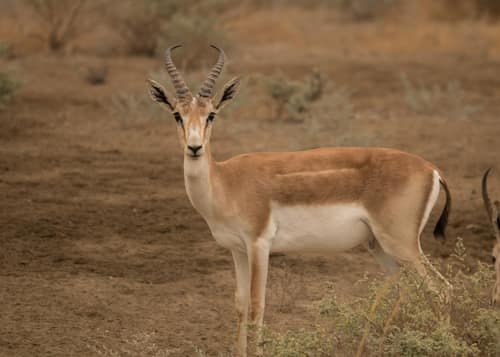
Primary Prey (c) Elşad İbrahimov, some rights reserved (CC BY-SA) · cc-by-sa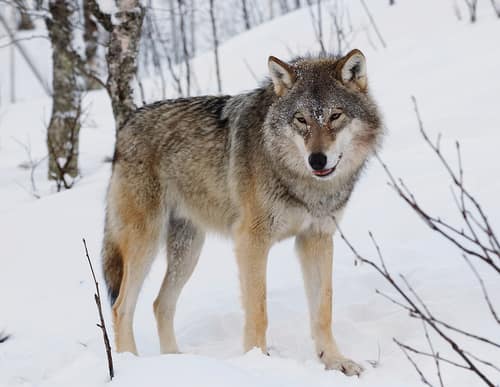
Competitor and Predator User:Mas3cf / CC BY-SA 4.0 · cc-by-sa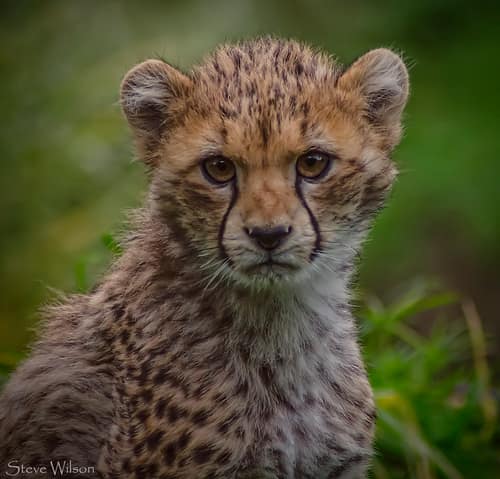
Close Relative "Portrait of a Cheetah Cub" by Steve Wilson - over 10 million views Thanks !! is licensed under CC BY 2.0. To view a copy of this license, visit https://creativecommons.org/licenses/by/2.0/. · cc-by
Help improve the field guideSomething wrong?
Checking your Fauna account…Report a name, category, or profile issue for review.