
Mammal · GBIF taxon 6164261
Desert Fox
Vulpes vulpes pusillaAlso known as White-Footed Fox, Asiatic Desert Fox, Indian Desert Fox
White-footed desert foxes tread softly across sandy ridges and semi-dry riverbeds from Iran to India, emerging at dusk to hunt small rodents and reptiles. They dig extensive subterranean burrows into soft sand dunes to escape the blistering daytime heat of their arid homes. Large ears help radiate excess body heat while pinpointing the faint rustle of prey moving beneath the sand.
NocturnalDesert NativeBurrower
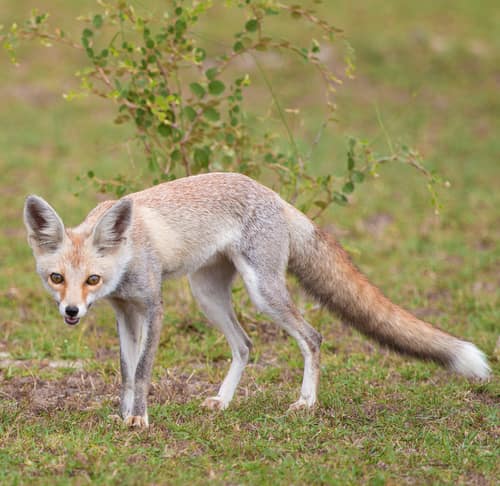
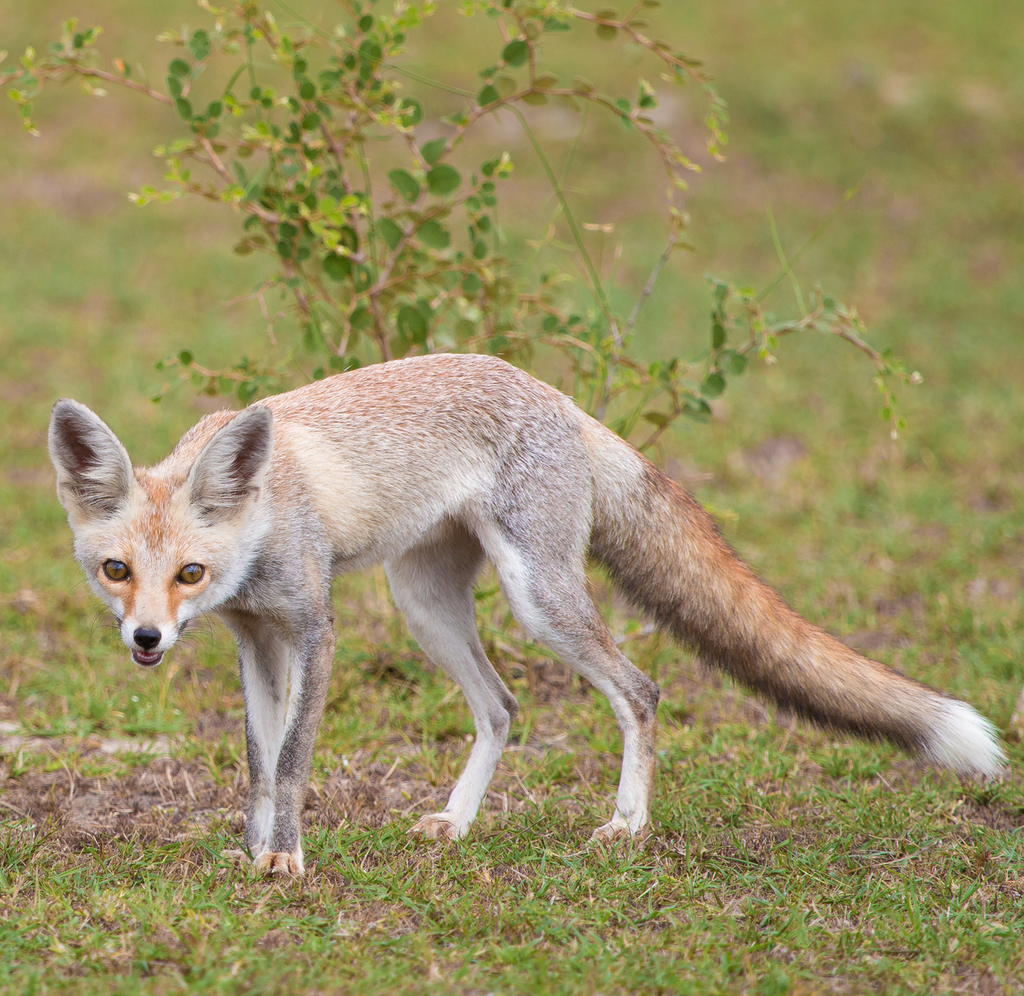
Licensed reference(c) Sumeet Moghe, some rights reserved (CC BY-SA) · cc-by-sa
—observations
—countries
—peak records
Least ConcernConservation statusIUCN Red List categoriesLCNTVUENCREWEXLeast ConcernRed List categories, explained →
Diet & prey
- Gerbils
- Desert Lizards
- Insects
Predators
- Caracal
- Golden Jackal
- Large Raptors
ThreatsHabitat fragmentation, agricultural development, human persecution
HabitatsSand dunes, semi-desert scrub, dry riverbeds
Life span3–7 years in the wild
Size / weightNot available
Classification
- FamilyCanidae
- SpeciesVulpes vulpes pusilla
Range data is not available yet.
Interaction riskModerate
- Low
- Moderate
- High
- Very high
- Why interaction risk is moderate
- Wild foxes may bite if cornered; observe from a safe distance.
Responsible observation
- Dusk Spotting: Scour sandy riverbeds and dune ridges during twilight when foxes emerge to forage.
- Burrow Etiquette: Keep a generous distance from active dens to avoid disturbing breeding pairs.
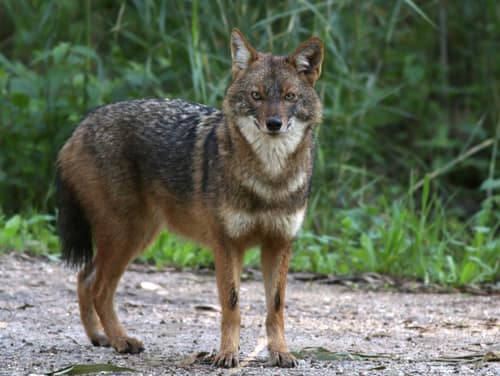
Competitor (c) Jan Ebr & Ivana Ebrová, some rights reserved (CC BY), uploaded by Jan Ebr & Ivana Ebrová · cc-by
Close Relative (c) Mvshreeram, some rights reserved (CC BY-SA) · cc-by-sa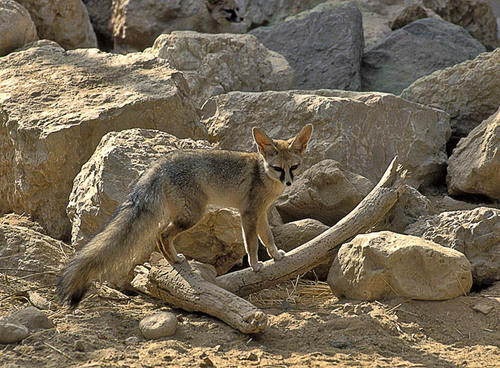
Close Relative (c) Eyal Bartov, some rights reserved (CC BY-SA) · cc-by-sa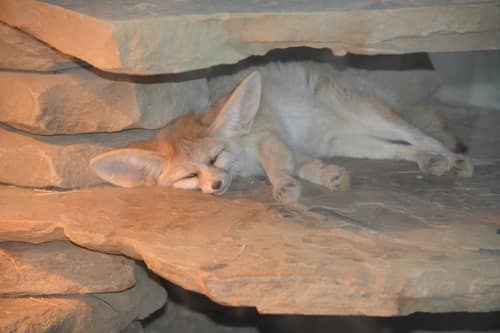
Close Relative (c) Stacey Robert Greenstein, some rights reserved (CC BY-SA), uploaded by Stacey Robert Greenstein · cc-by-sa
Help improve the field guideSomething wrong?
Checking your Fauna account…Report a name, category, or profile issue for review.