
Mammal · GBIF taxon 6164184
Dingo
Canis lupus dingoAlso known as Australian Native Dog, Warrigal, New Guinea Singing Dog
Dingoes are Australia's native apex land predators, functioning in flexible social packs or as solitary hunters across habitats ranging from arid deserts to alpine snowfields. Rather than barking like domestic dogs, these athletic wild canids communicate across immense distances using distinct melodic howls and complex scent marking. Introduced to the continent thousands of years ago, they play a crucial ecological role by regulating populations of native herbivores and invasive pests.
MammalApex PredatorCarnivore
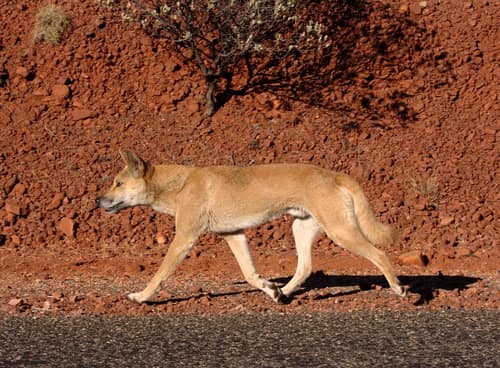
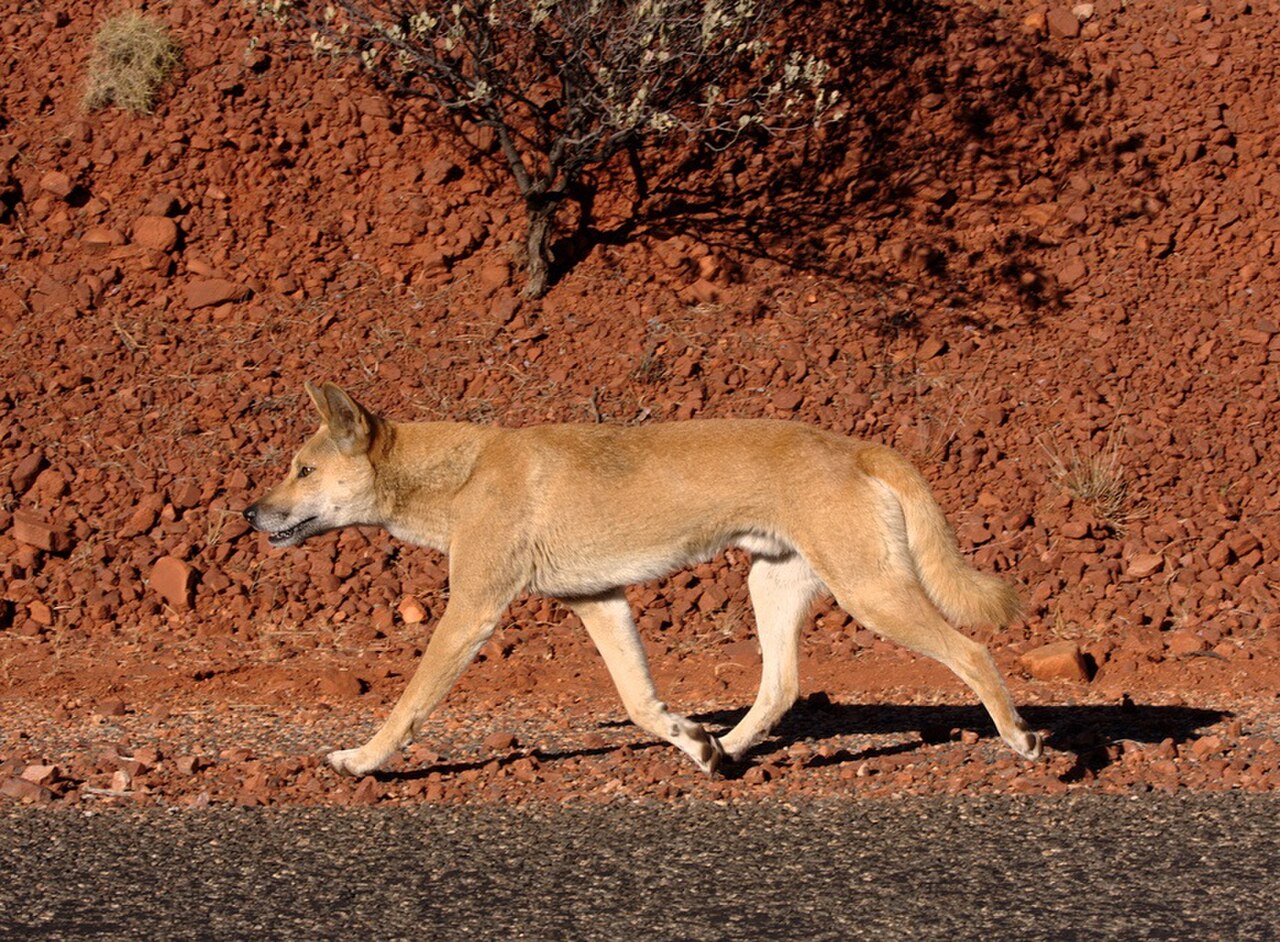
Licensed referenceJarrod Amoore from Sydney, Australia / CC BY 2.0 · cc-by
—observations
—countries
—peak records
VulnerableConservation statusIUCN Red List categoriesLCNTVUENCREWEXVulnerableRed List categories, explained →
Diet & prey
- Red Kangaroo
- Agile Wallaby
- European Rabbit
Predators
- Humans
- Wedge-tailed Eagle
- Crocodiles
ThreatsHybridization with domestic dogs, baiting and lethal control, habitat loss
HabitatsDeserts, grasslands, alpine woodlands, tropical forests, wetlands
Life span7–10 years in the wild; up to 15 years in captivity
Size / weightNot available
Classification
- FamilyCanidae
- SpeciesCanis lupus dingo
Range data is not available yet.
Interaction riskHigh
- Low
- Moderate
- High
- Very high
- Why interaction risk is high
- Wild dingoes can be territorial and defend food; keep a safe distance and never offer food.
- Why it is dangerous
- Powerful jaw strength and pack hunting instincts can cause severe bites or aggressive behavior when animals are habituated to humans.
- How to recognize a risky encounter
- Look for a lean athletic build, erect ears, ginger to tan coat, broad head, and a bushy tail often tipped with white.
- What to do
- Stand tall, gather children close, and back away slowly without turning your back or running if approached.
- What to notice
- Recognized by erect triangular ears, broad skull, ginger to sandy coat without floppy ears or spotted domestic coat patterns.
- Support conservation
- Observe quietly from established trails or vehicles without feeding, baiting, or disturbing pack dynamics.
Responsible observation
- Keep Distance: Maintain a clearance of at least 20 meters, particularly around packs or females with pups.
- Secure Food: Store all food, trash, and scented items in sealed hard containers to prevent habituation.
- Do Not Run: If approached, stand tall, make eye contact, and calmly back away without running.
 Image unavailable
Primary Prey 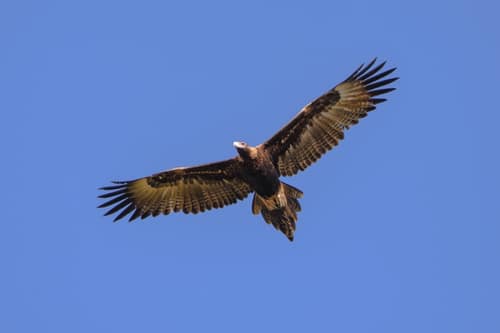
Competitor (c) Mark Kriedemann, some rights reserved (CC BY), uploaded by Mark Kriedemann · cc-by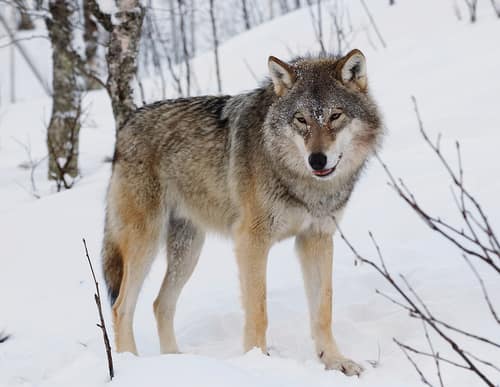
Close Relative User:Mas3cf / CC BY-SA 4.0 · cc-by-sa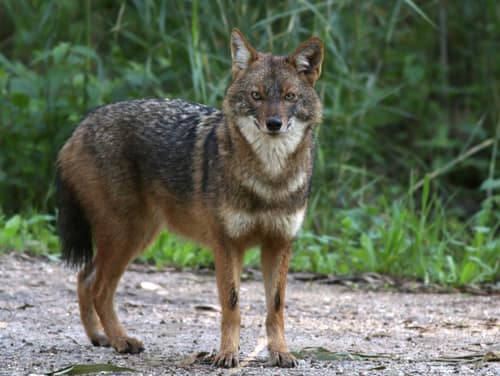
Close Relative (c) Jan Ebr & Ivana Ebrová, some rights reserved (CC BY), uploaded by Jan Ebr & Ivana Ebrová · cc-by
Help improve the field guideSomething wrong?
Checking your Fauna account…Report a name, category, or profile issue for review.