
Species · GBIF taxon 6159810
Sceloporus occidentalis bocourtii
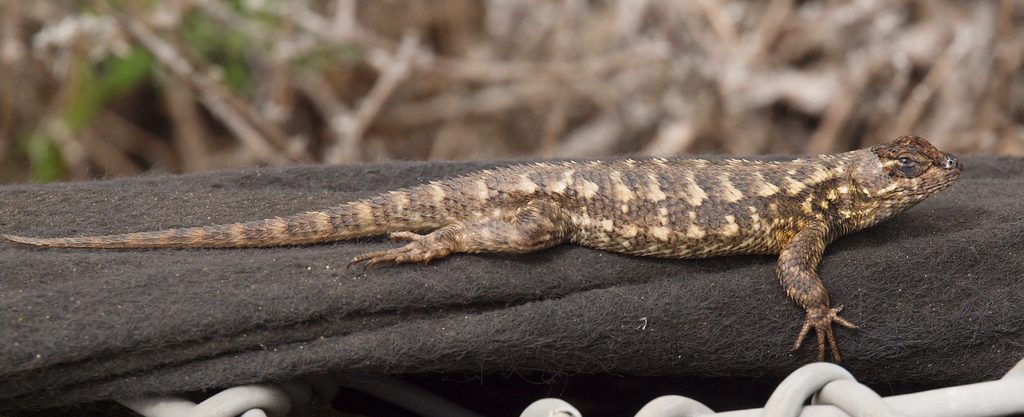
Sceloporus occidentalis bocourtiiAlso known as Bocourt's Fence Lizard, Coast Range Western Fence Lizard, Bocourt's Lizard
Coast Range fence lizards spend their mornings basking on sunny rocks, logs, and fence posts to regulate their body temperature before hunting. Males fiercely defend their territories using a series of rapid push-ups that flash their brilliant blue belly patches to rivals and potential mates. These active foragers play a vital role in their ecosystem by consuming vast quantities of insects and hosting ticks whose Lyme-causing bacteria are neutralized by a protein in the lizard's blood.
DiurnalInsectivorousSun-loving
Licensed reference(c) Franco Folini, some rights reserved (CC BY) · cc-by
—observations
—countries
—peak records
Least ConcernConservation statusIUCN Red List categoriesLCNTVUENCREWEXLeast ConcernRed List categories, explained →
Diet & prey
- Beetles
- Ants
- Spiders
Predators
- Hawks
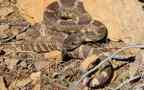
- Snakes
- Domestic Cats
ThreatsHabitat fragmentation, domestic cats, and pesticide use
HabitatsOak woodlands, chaparral, grasslands, and rocky hillsides
Life span3 to 5 years
Size / weightNot available
Classification
- FamilyPhrynosomatidae
- SpeciesSceloporus occidentalis bocourtii
Range data is not available yet.
Interaction riskLow
- Low
- Moderate
- High
- Very high
- Why interaction risk is low
- Harmless and safe to observe from a short distance.
Responsible observation
- Watch for Push-ups: Look for males performing rapid head-bobs and push-ups on elevated perches to display their blue bellies.
- Approach Slowly: Move quietly and avoid casting sudden shadows, which these vigilant lizards mistake for predatory birds.
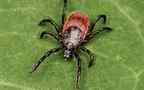
- Check the Ticks: Observe their necks closely to spot small, dark ticks, which are safely cleansed of Lyme disease by the lizard's blood.
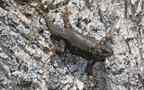
Competitor Geographer (talk) / CC BY 2.5 · cc-by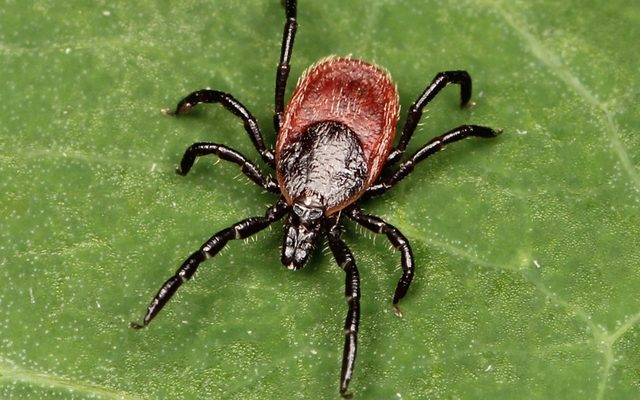
Parasite Host no rights reserved, uploaded by Zygy · cc0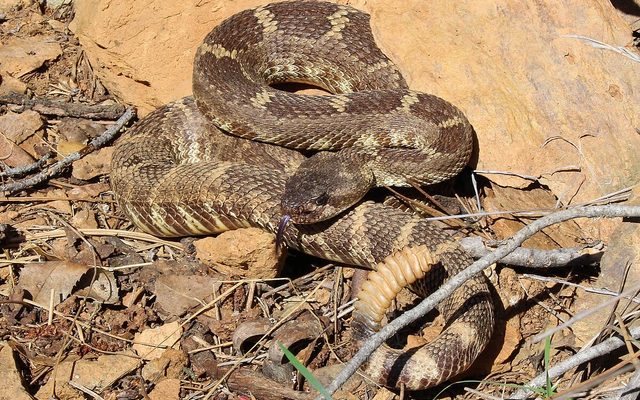
Predator Connor Long / CC BY-SA 4.0 · cc-by-sa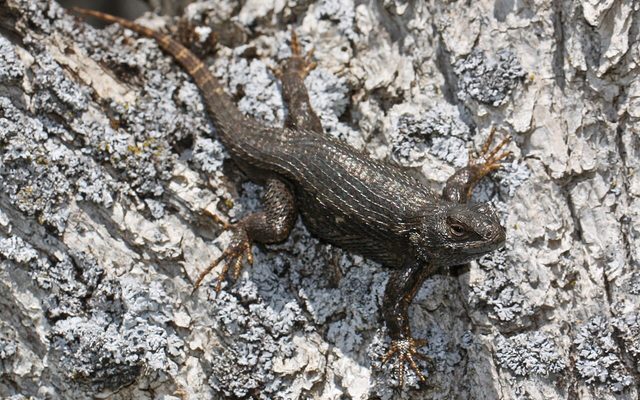
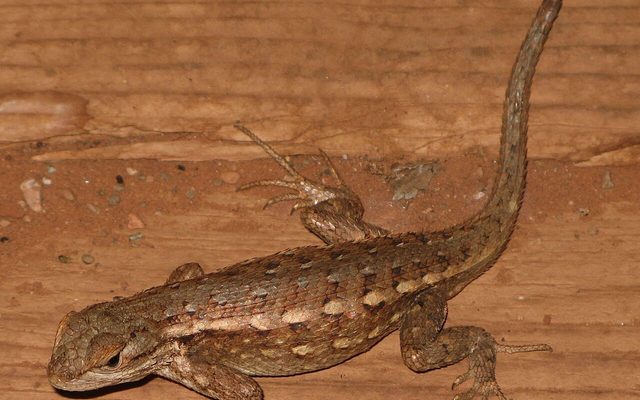
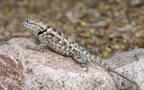
Close Relative Walter Siegmund (talk) / CC BY-SA 3.0 · cc-by-sa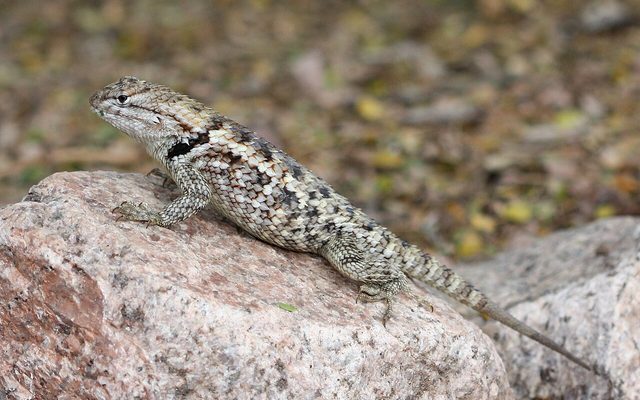
Close Relative Kaldari / Public domain · cc0
Help improve the field guideSomething wrong?
Checking your Fauna account…Report a name, category, or profile issue for review.