
Reptile · GBIF taxon 6157433
Great Basin Rattlesnake
Crotalus oreganus lutosusAlso known as Great Basin Pit Viper, Blotched Rattlesnake
Great Basin rattlesnakes are heavily built pit vipers tailored to the high deserts, sagebrush plains, and rocky canyons of the intermountain West. Thermal infrared pits located between their nostrils and eyes allow them to detect warm-blooded prey in complete darkness. As winter approaches, individuals migrate miles across the desert landscape to assemble in large communal dens deep within rock fissures.
VenomousPit ViperReptile
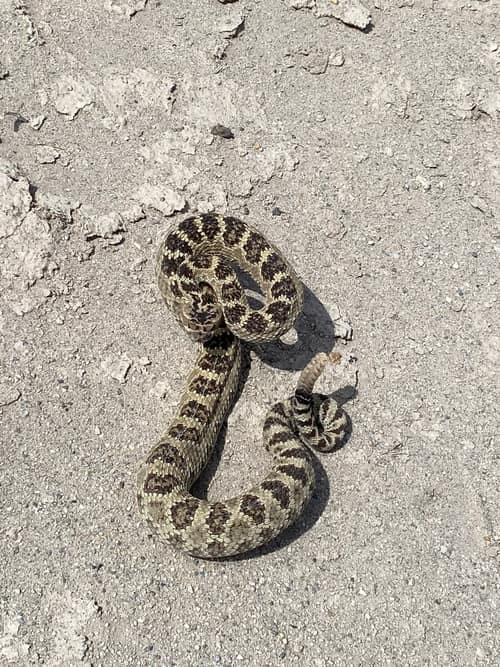
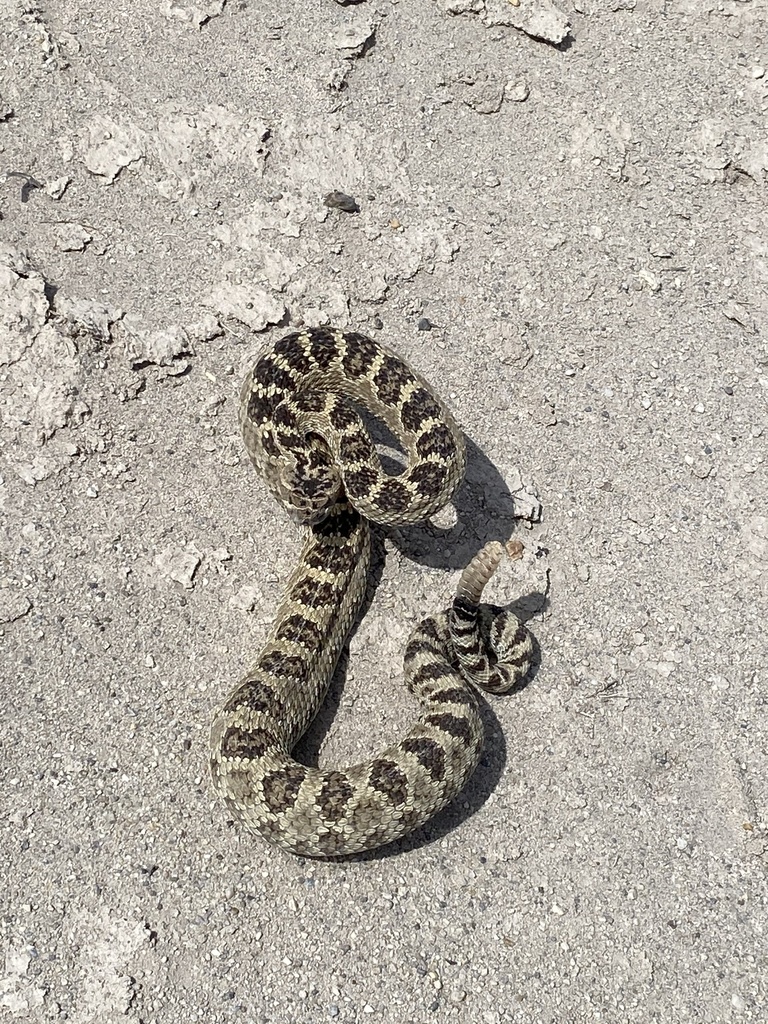
Licensed reference(c) Matt Berger, some rights reserved (CC BY) · cc-by
—observations
—countries
—peak records
Least ConcernConservation statusIUCN Red List categoriesLCNTVUENCREWEXLeast ConcernRed List categories, explained →
Diet & prey
- Kangaroo Rat
- Deer Mouse
- Side-blotched Lizard
Predators
- Red-tailed Hawk
- Coyote
- California Kingsnake
ThreatsHabitat conversion, vehicle strikes, intentional destruction of communal dens
HabitatsSagebrush steppe, desert scrub, rocky slopes, pinyon-juniper woodland
Life span15–20 years in the wild
Size / weightNot available
Classification
- FamilyViperidae
- SpeciesCrotalus oreganus lutosus
Range data is not available yet.
Interaction riskVery high
- Low
- Moderate
- High
- Very high
- Why interaction risk is very high
- Delivers a dangerous venomous bite if cornered; remain at least two meters away at all times.
- Why it is dangerous
- Protective strikes inject potent hemotoxic venom that destroys tissue, causes intense pain, severe swelling, and potential systemic organ damage.
- How to recognize a risky encounter
- Look for a heavy pale grey, buff, or olive body with dark brown dorsal blotches and a segmented rattle at the tail tip.
- What to do
- Freeze immediately upon hearing a rattle, locate the snake, and back away calmly without making sudden movements.
Responsible observation
- Watch Your Step: Scan the ground before stepping over logs or reaching into rocky crevices.
- Give Space: If a snake rattles, freeze, locate its position, and back away slowly.
- Leash Pets: Keep dogs on a short leash during warm months in rocky sagebrush terrain.
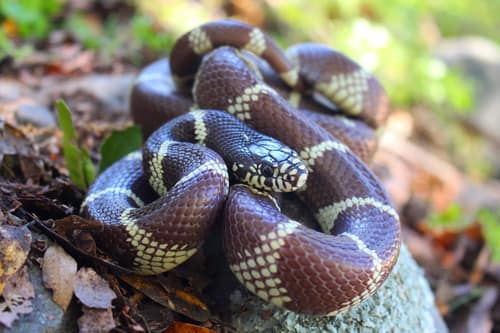
Predator (c) Connor Long, some rights reserved (CC BY-SA) · cc-by-sa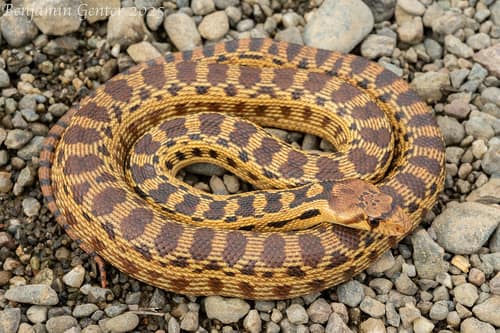
Competitor Benjamin Genter / Public domain · cc0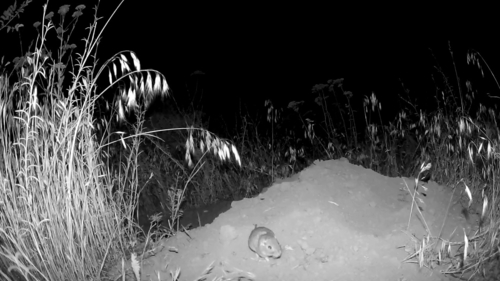
Prey no rights reserved · cc0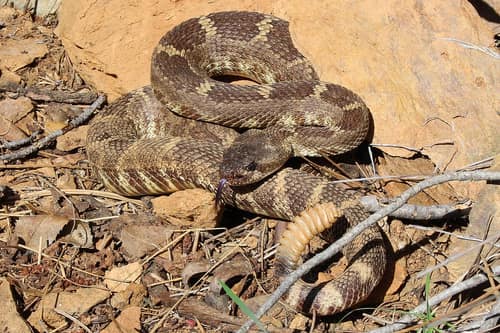
Close Relative Connor Long / CC BY-SA 4.0 · cc-by-sa
Help improve the field guideSomething wrong?
Checking your Fauna account…Report a name, category, or profile issue for review.