
Reptile · GBIF taxon 6156934
Western Painted Turtle
Chrysemys picta belliiAlso known as Painted Turtle, Western Basking Turtle
Western painted turtles spend sunny spring and summer days stacked in rows atop fallen logs, soaking up solar heat essential for digestion. Intricate yellow lines run across their dark heads and necks, while their lower shells flare into brilliant red and orange net-like patterns along the underside margins. During ice-bound winters, adults bury themselves in mud at pond bottoms, surviving for months in anoxic conditions without breathing atmospheric air.
ReptileAquaticBasking
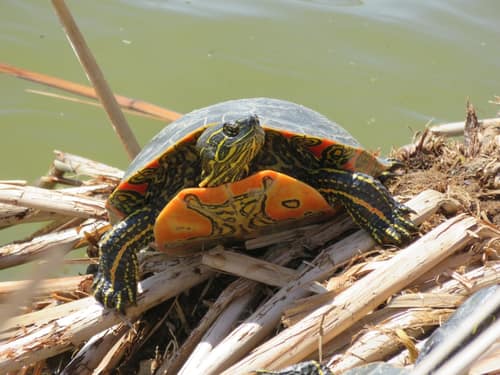
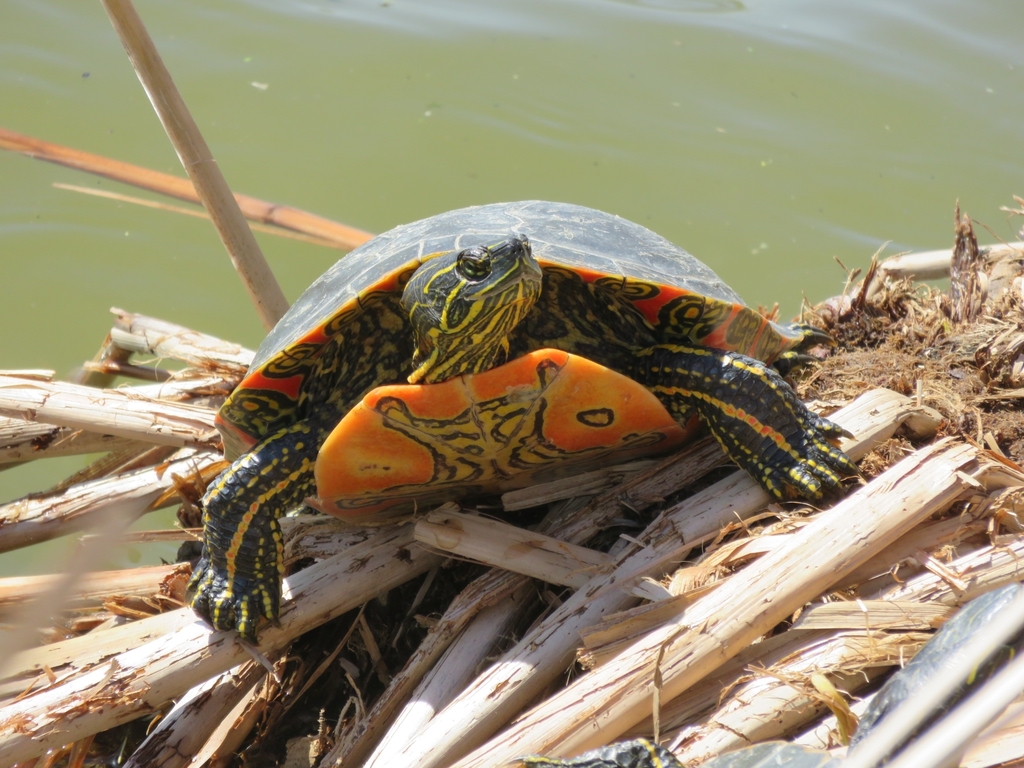
—observations
—countries
—peak records
Least ConcernConservation statusIUCN Red List categoriesLCNTVUENCREWEXLeast ConcernRed List categories, explained →
Diet & prey
- Aquatic insects
- Small fish
- Aquatic vegetation
Predators
- Raccoons
- Striped Skunks
- Great Blue Herons
ThreatsHabitat loss, road mortality, nest predation, pollution
HabitatsPonds, lakes, marshes, slow-moving rivers, wetlands
Life span20–40 years
Size / weightNot available
Classification
- FamilyEmydidae
- SpeciesChrysemys picta bellii
Range data is not available yet.
Interaction riskLow
- Low
- Moderate
- High
- Very high
- Why interaction risk is low
- Can deliver a mild bite or scratch if cornered; observe quietly from a safe distance.
Responsible observation
- Basking Distance: View basking turtles through binoculars, as sudden movements startle them back into the water.
- Road Crossing Assistance: If helping one safely across a road, carry it gently in the direction it was already heading.
- Hands-Off Observing: Avoid unnecessary handling to keep stress low and prevent minor bites or scratches.
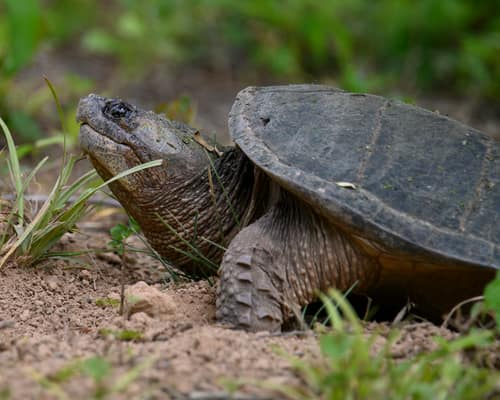
Frequent Companion (c) lwolfartist, some rights reserved (CC BY) · cc-by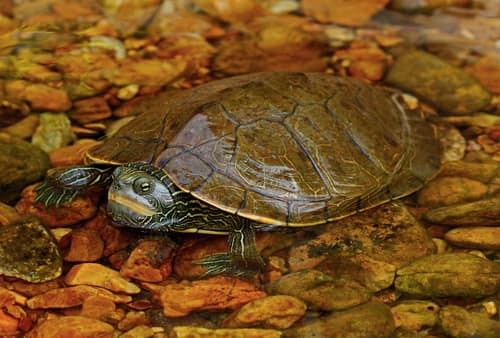
Close Relative (c) Peter Paplanus, some rights reserved (CC BY) · cc-by
Help improve the field guideSomething wrong?
Checking your Fauna account…Report a name, category, or profile issue for review.