
Plant
Sugar Date Palm
Phoenix sylvestrisAlso known as Silver Date Palm, Indian Date, Wild Date Palm
Sugar date palms are medium-sized palms distinguished by robust trunks covered in a prominent diamond pattern of old leaf scars. Dense, rounded crowns feature greyish-green, pinnate leaves armed with sharp basal leaflets that shield emerging flower clusters. Deeply embedded in South Asian cultural landscapes, these resilient trees thrive in dry plains and scrubland where mature specimens anchor regional biodiversity.
Drought TolerantPalmsTree
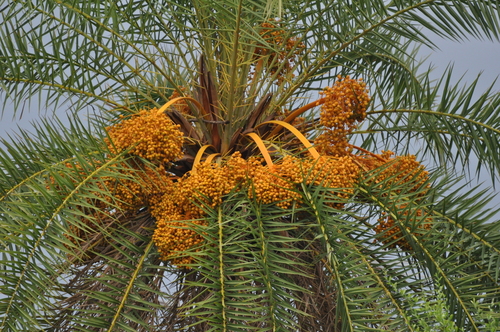
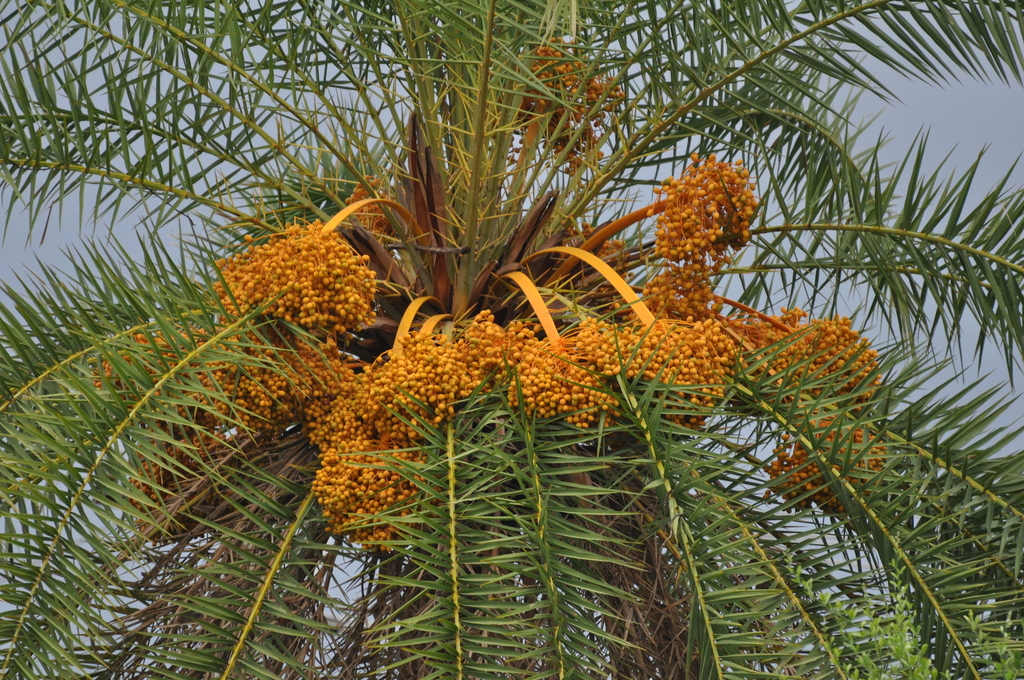
—observations
—countries
—peak records
Least ConcernConservation statusIUCN Red List categoriesLCNTVUENCREWEXLeast ConcernRed List categories, explained →
Diet & preyAutotrophic (Photosynthetic)
Predators
- Red Palm Weevil
- Asian Palm Civet
- Indian Flying Fox
ThreatsLethal bronzing disease, habitat conversion, unsustained tapping
HabitatsPlains, scrublands, open river valleys, agricultural borders
Life span60–100 years
Classification
- OrderArecales
- FamilyArecaceae
- GenusPhoenix
- SpeciesPhoenix sylvestris
Range data is not available yet.
Interaction riskLow
- Low
- Moderate
- High
- Very high
- Why interaction risk is low
- Wild fruits have toxic look-alikes; never eat wild fruits based on app identification alone.
Responsible observation
- Watch for Spines: Avoid reaching into the lower frond bases, which bear stiff, sharp needle-like leaflets.
- Observe Wildlife: Scan the fruiting crowns at dusk for foraging fruit bats and seed-dispersing birds.
- Respect Tapping Equipment: Keep distance from active sap-collection pots attached to trunk cuts.
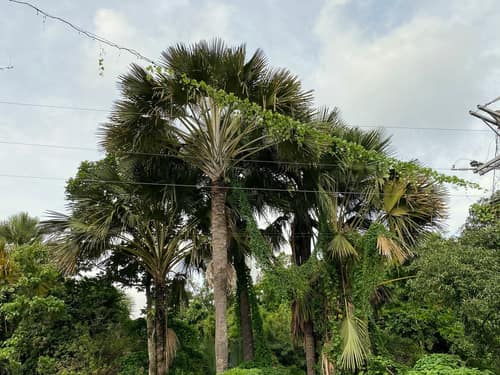
Ecological Companion (c) AnnLazaro, some rights reserved (CC BY-SA), uploaded by AnnLazaro · cc-by-sa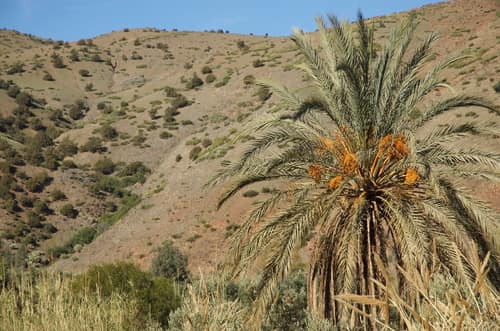
Close Relative (c) Ashley Basil, some rights reserved (CC BY) · cc-by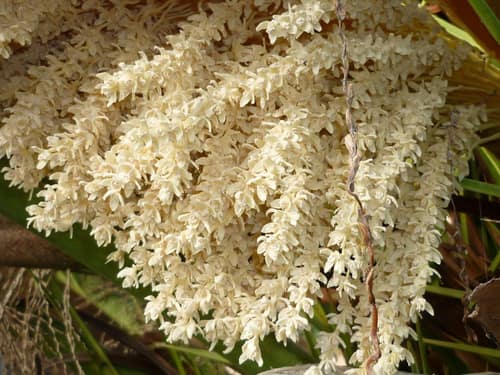
Close Relative (c) Jesús Cabrera, some rights reserved (CC BY) · cc-by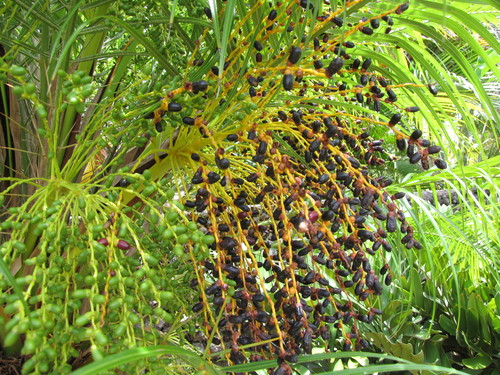
Close Relative (c) Forest and Kim Starr, some rights reserved (CC BY) · cc-by
Help improve the field guideSomething wrong?
Checking your Fauna account…Report a name, category, or profile issue for review.