
Bird · GBIF taxon 6093350
Cerulean Warbler
Setophaga ceruleaAlso known as Azure Warbler
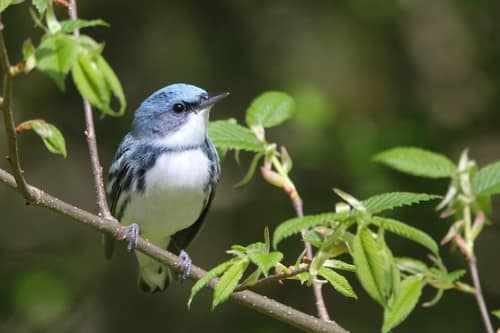
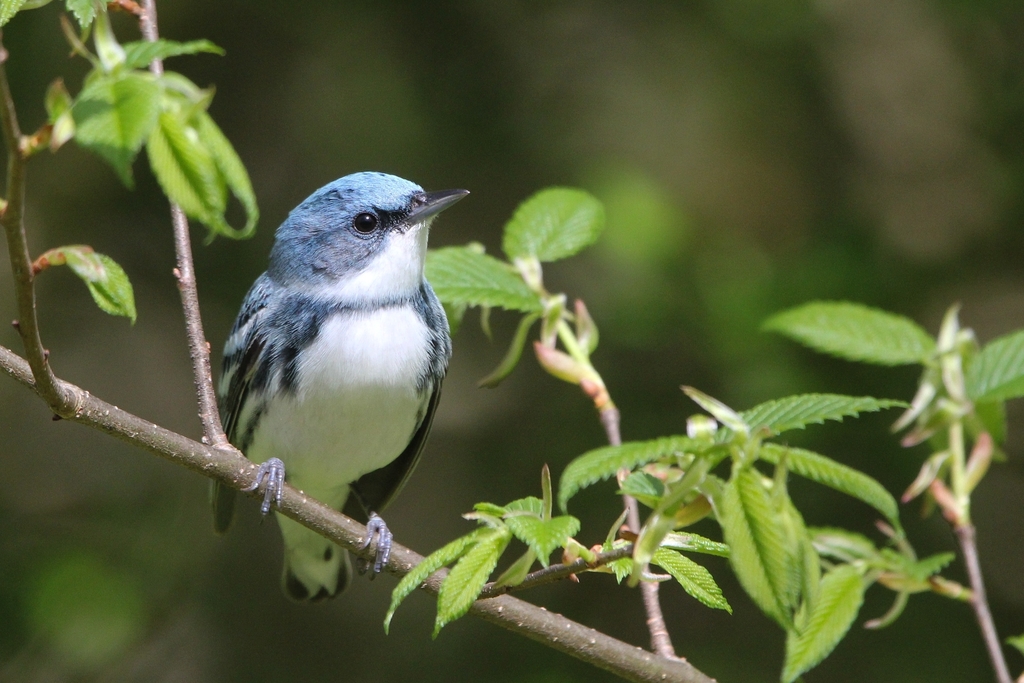
Cerulean warblers spend nearly all their time high in the dense upper canopy of mature hardwood forests, making them challenging to spot despite the male sky-blue plumage. Females build intricate cup nests tucked onto horizontal branches far above the ground, using spider silk to anchor bark strips and moss. Each autumn, these delicate songbirds embark on an arduous migration across the Gulf of Mexico to winter in the Andean foothill forests of South America.
MigratoryCanopy-DwellerSongbird
 1 / 7
1 / 7—observations
—countries
—peak records
Near ThreatenedConservation statusIUCN Red List categoriesLCNTVUENCREWEXNear ThreatenedRed List categories, explained →
Diet & prey
- Caterpillars
- Beetles
- Spiders
Predators
- Sharp-shinned Hawk
- Blue Jay
- Rat Snake
ThreatsForest fragmentation, deforestation, wintering habitat loss
HabitatsMature hardwood forests, riparian woodlands, tropical foothill forests
Life span5–9 years
Size / weightNot available
Classification
- FamilyParulidae
- SpeciesSetophaga cerulea
Range data is not available yet.
Interaction riskLow
- Low
- Moderate
- High
- Very high
- Why interaction risk is low
- Safe to observe at a normal distance.
- What to notice
- Identify males by their sky-blue upperparts, white belly, dark streaked flanks, and narrow blue chest band.
- Support conservation
- Observe quietly from established trails using binoculars rather than approaching nesting trees.
Responsible observation
- Canopy Scanning: Use binoculars to search the highest branches of mature oaks and maples along river valleys.
- Audio Identification: Listen for the male fast, buzzy song that rises in pitch at the end.
- Nesting Etiquette: Keep a respectful distance and avoid broadcast calls, as breeding pairs are highly sensitive to disturbance.
 Image unavailable
Co-occurring Species 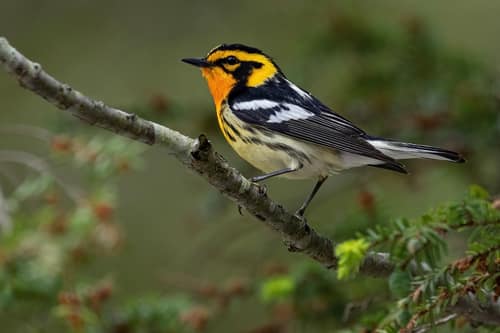
Genus Relative (c) Matt Felperin, some rights reserved (CC BY), uploaded by Matt Felperin · cc-by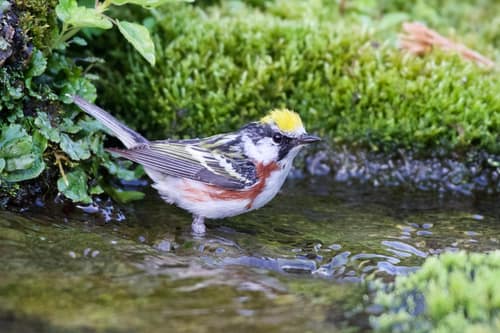
Genus Relative (c) Michael Nerrie, some rights reserved (CC BY), uploaded by Michael Nerrie · cc-by
Help improve the field guideSomething wrong?
Checking your Fauna account…Report a name, category, or profile issue for review.