
Bird · GBIF taxon 6093199
Blackburnian Warbler
Setophaga fuscaAlso known as Hemlock Warbler, Orange-throated Warbler, Torch-bird
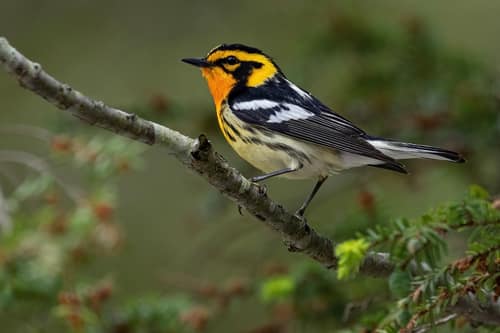
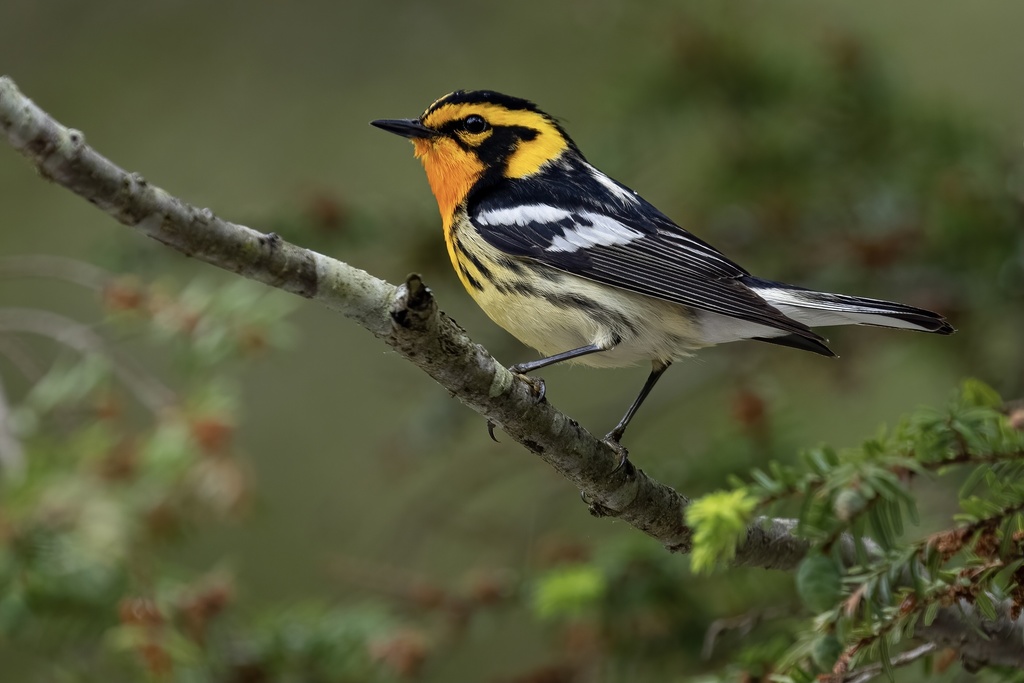
Blackburnian Warblers are striking canopy-dwelling songbirds, famous for the male's brilliant, flame-orange throat and breast. They spend most of their time foraging in the highest branches of mature coniferous forests, where they search for insects among the needles. During migration, their high-pitched, ascending songs, which end in a thin, barely audible buzz, help birdwatchers locate them high in the treetops.
MigratoryInsectivorousCanopy-dwelling
 1 / 7
1 / 7—observations
—countries
—peak records
Least ConcernConservation statusIUCN Red List categoriesLCNTVUENCREWEXLeast ConcernRed List categories, explained →
Diet & prey
- Caterpillars
- Spiders
- Beetles
Predators
- Sharp-shinned Hawk
- Cooper's Hawk
- Blue Jay
ThreatsHabitat loss on breeding and wintering grounds, forest fragmentation, and window collisions
HabitatsMature coniferous and mixed forests, especially hemlock and spruce stands
Life span3 to 6 years
Size / weightNot available
Classification
- FamilyParulidae
- SpeciesSetophaga fusca
Range data is not available yet.
Interaction riskLow
- Low
- Moderate
- High
- Very high
- Why interaction risk is low
- Safe to observe at a normal distance.
- What to notice
- Look for the brilliant orange throat and black-and-white face pattern high in mature conifers.
- Support conservation
- Avoid using playback calls during the breeding season to prevent disrupting nesting pairs.
Responsible observation
- Look up: Scan the very tops of mature hemlock, spruce, and pine trees where they prefer to forage.
- Listen for the buzz: Learn their extremely high-pitched song, which ends in a thin, insect-like trill.
- Visit during migration: Look for them in deciduous woodlots during spring and fall migration when they feed lower.
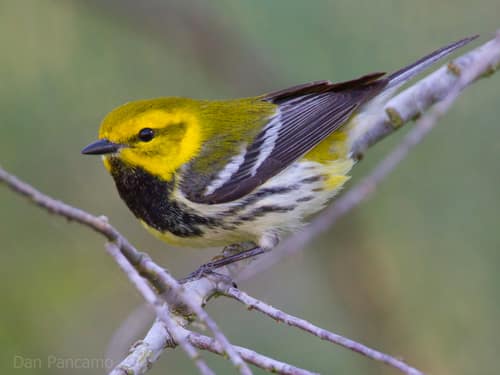
Competitor (c) Dan Pancamo, some rights reserved (CC BY-SA) · cc-by-sa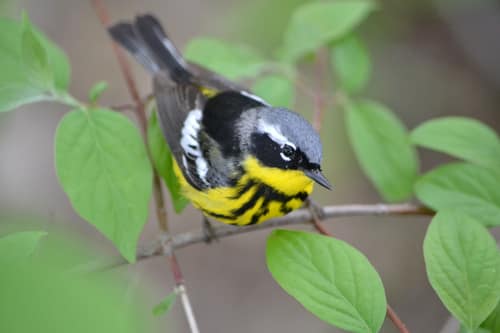
Close Relative (c) Andrew C, some rights reserved (CC BY) · cc-by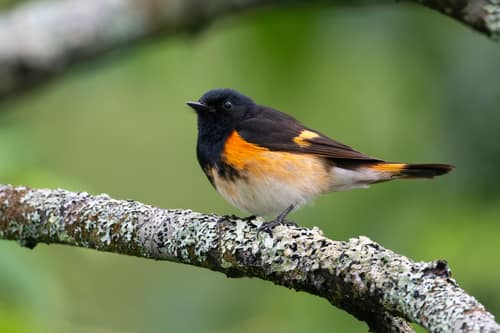
Close Relative no rights reserved, uploaded by Adam Jackson · cc0
Help improve the field guideSomething wrong?
Checking your Fauna account…Report a name, category, or profile issue for review.