
Bird
Puerto Rican Oriole
Icterus portoricensisAlso known as Calandria, Puerto Rican Black-Cowled Oriole
Puerto Rican orioles are striking, forest-dwelling songbirds distinguished by their jet-black plumage accented with bright yellow shoulder patches and rumps. They forage deliberately through the canopy and palm fronds, gleaning insects from leaf clusters, sipping floral nectar, and plucking ripe wild fruits. Monogamous pairs construct woven pendant nests suspended from the underside of broad palm leaves, often defending their breeding territories with whistled duets.
EndemicSongbirdArboreal
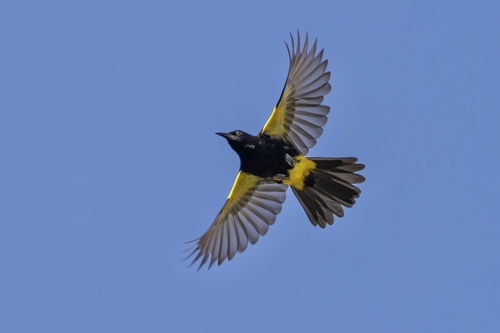
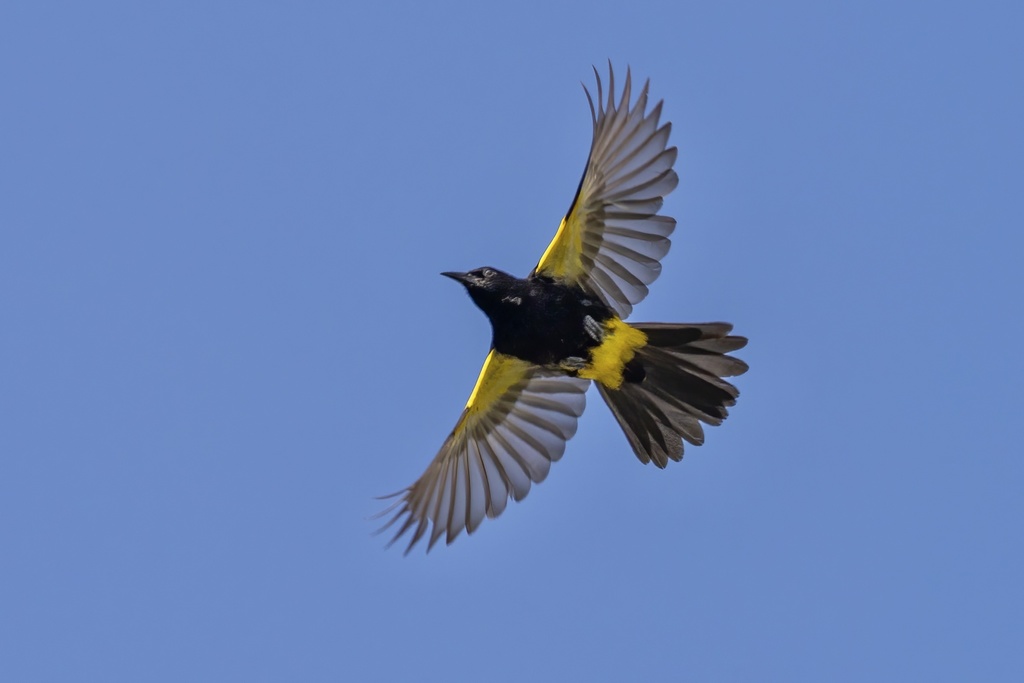
—observations
—countries
—peak records
Least ConcernConservation statusIUCN Red List categoriesLCNTVUENCREWEXLeast ConcernRed List categories, explained →
Diet & preyCaterpillars and beetles, Cecropia and palm fruits, Floral nectar
Predators
- Red-tailed Hawk
- Puerto Rican Screech-Owl
- Black Rat
ThreatsBrood parasitism by shiny cowbirds, hurricane disturbance, and habitat fragmentation
HabitatsTropical moist forests, shade-grown coffee plantations, palm groves, and mangroves
Life span6–10 years
Classification
- OrderPasseriformes
- FamilyIcteridae
- GenusIcterus
- SpeciesIcterus portoricensis
Range data is not available yet.
Interaction riskLow
- Low
- Moderate
- High
- Very high
- Why interaction risk is low
- Safe to observe at a normal distance.
Responsible observation
- Listen for Calls: Tune your ears to sharp 'chack' scold calls and soft, melodious whistles within dense palm canopies.
- Look Up in Palms: Scan the undersides of royal palm fronds, where pairs frequently forage and weave hanging nests.
- Respect Breeding Pairs: Maintain a generous distance during spring nesting to avoid attracting opportunistic cowbirds.
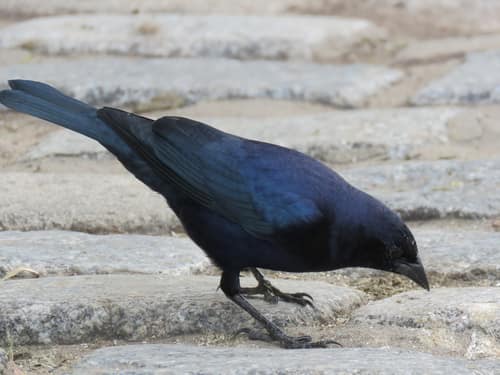
Parasite (c) Nicolas Olejnik, some rights reserved (CC BY), uploaded by Nicolas Olejnik · cc-by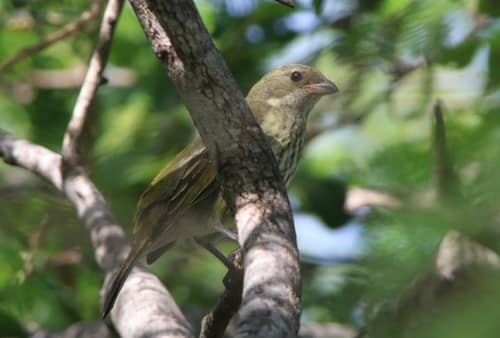
Frequent Companion (c) Cricket Raspet, some rights reserved (CC BY) · cc-by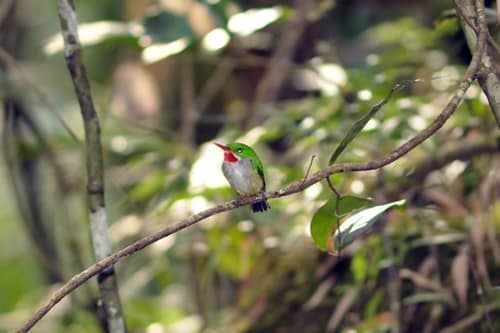
Neighbor (c) Tom Kennedy, some rights reserved (CC BY) · cc-by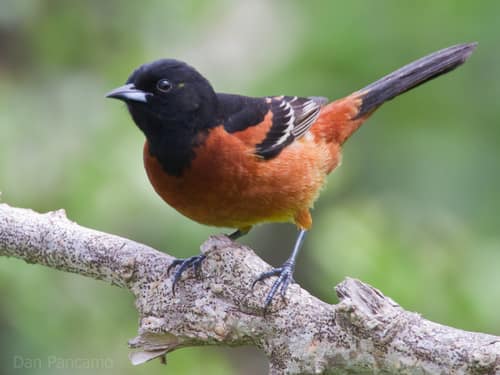
Close Relative (c) Dan Pancamo, some rights reserved (CC BY-SA) · cc-by-sa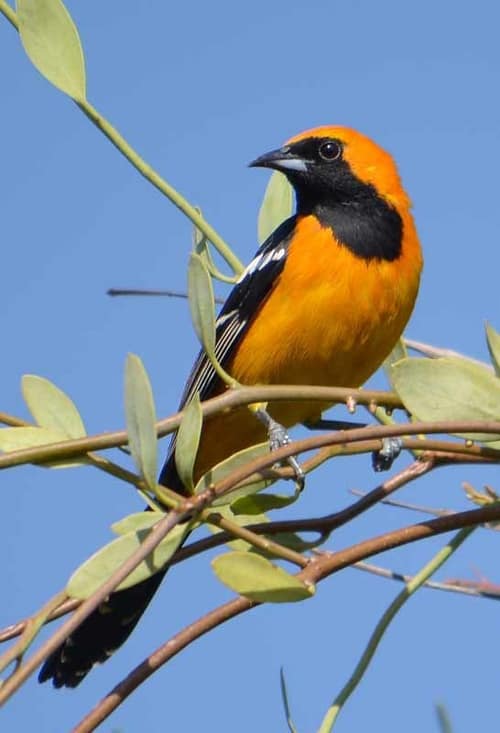
Close Relative (c) Gonzalo Zepeda Martínez, some rights reserved (CC BY-SA), uploaded by Gonzalo Zepeda Martínez · cc-by-sa
Help improve the field guideSomething wrong?
Checking your Fauna account…Report a name, category, or profile issue for review.