
Bird
Little Pied Cormorant
Microcarbo melanoleucosAlso known as Little Shag, Little Pied Shag
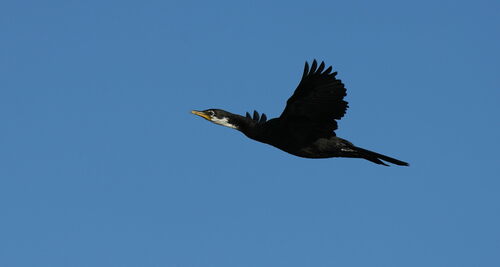
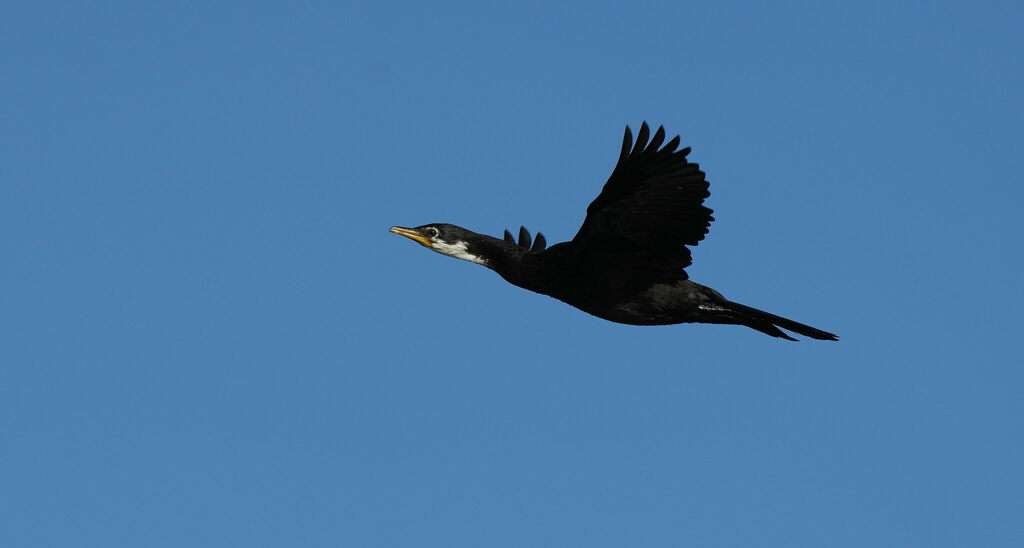
Little pied cormorants are agile, shallow-water divers that pursue crustaceans, frogs, and small fish along muddy riverbanks, estuaries, and coastal lagoons. After foraging, they perch on snags, jetties, or rocks with wings outstretched to dry their water-absorbent plumage before taking flight again. They breed in noisy, crowded colonies alongside herons, ibises, and other cormorants, greeting mates at the stick nest with soft croaks and bill-clicking displays.
WaterbirdDivingColonial
—observations
—countries
—peak records
Least ConcernConservation statusIUCN Red List categoriesLCNTVUENCREWEXLeast ConcernRed List categories, explained →
Diet & preyFreshwater crayfish, Small fish, Aquatic insects
Predators
- White-bellied Sea Eagle
- Swamp Harrier
- Feral Cat
ThreatsWetland drainage, water pollution, and entanglement in discarded fishing gear
HabitatsEstuaries, coastal lagoons, rivers, swamps, lakes, and sheltered inshore waters
Life span10 to 15 years in the wild
Classification
- OrderSuliformes
- FamilyPhalacrocoracidae
- GenusMicrocarbo
- SpeciesMicrocarbo melanoleucos
Range data is not available yet.
Interaction riskLow
- Low
- Moderate
- High
- Very high
- Why interaction risk is low
- Safe to observe at a normal distance; avoid approaching active nesting colonies.
Responsible observation
- Scanning Perches: Look for birds resting on dead branches or channel markers with wings spread wide to dry.
- Colony Etiquette: Keep well back from waterside nesting trees so adults do not abandon eggs or chicks.
- Plumage Check: Note the short yellow bill and clean white underparts, though New Zealand birds often show dark bellies.
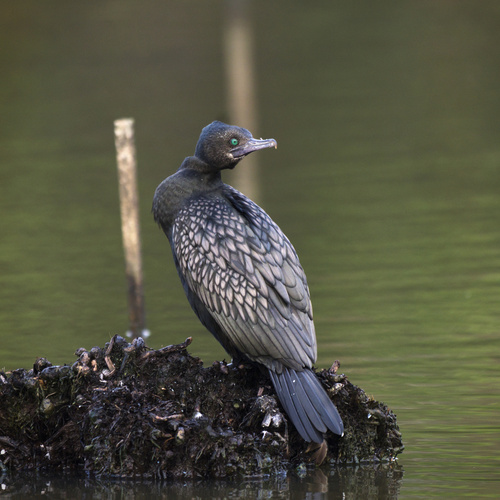
Frequent Companion (c) Thomas Jaeger, some rights reserved (CC BY) · cc-by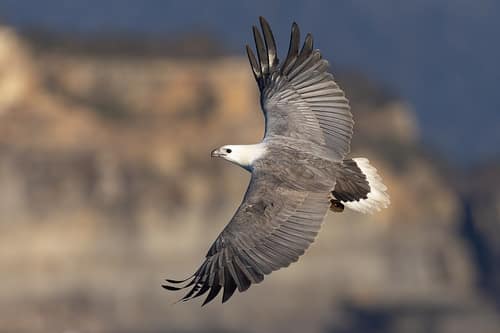
Predator JJ Harrison / CC BY-SA 3.0 · cc-by-sa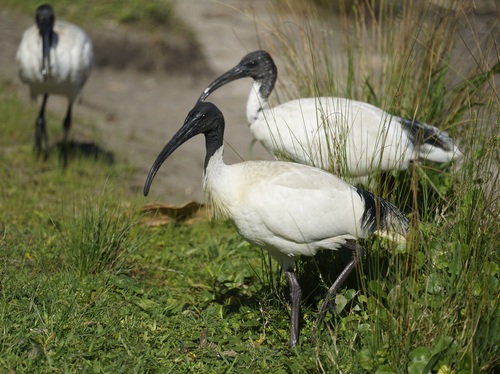
Frequent Companion (c) Tim, some rights reserved (CC BY), uploaded by Tim · cc-by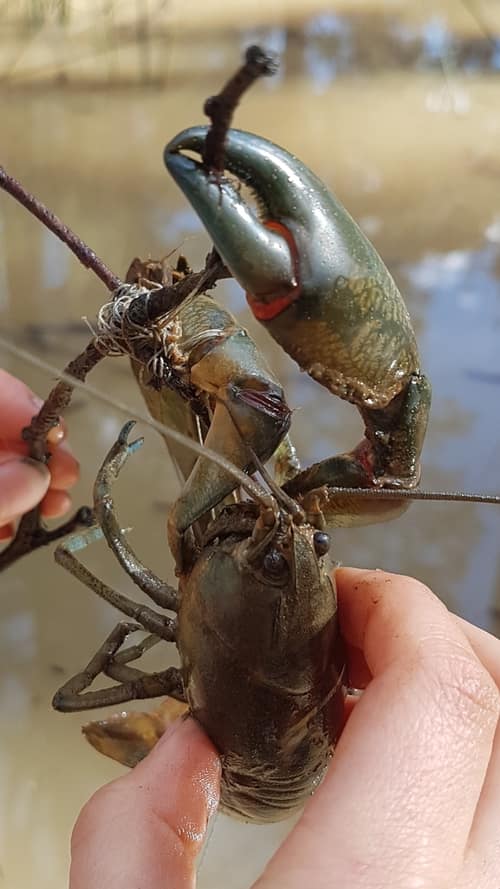
Prey (c) Peter Crowcroft, some rights reserved (CC BY) · cc-by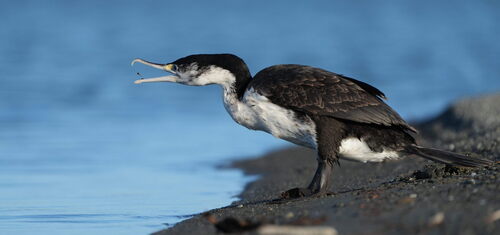
Same Family (c) William Harland, some rights reserved (CC BY) · cc-by
Help improve the field guideSomething wrong?
Checking your Fauna account…Report a name, category, or profile issue for review.