
Bird · GBIF taxon 6066379
Eastern Great Egret
Ardea modestaAlso known as White Heron, Kotuku, Eastern Great White Egret
Eastern great egrets stalk shallow wetlands with deliberate, statue-like patience, freezing mid-stride before driving their sharp bills downward to impale prey. During the breeding season, adults undergo a dramatic shift: their facial skin flashes bright turquoise-green, their bills turn black, and delicate nuptial plumes called aigrettes cascade down their backs. Revered in New Zealand as the kōtuku, they symbolize rare and noble beauty across many indigenous cultures of the South Pacific and East Asia.
Wading BirdWetlandCarnivore
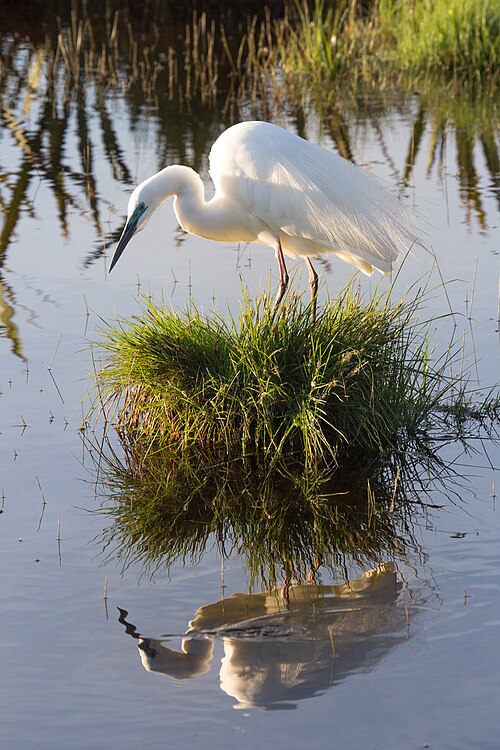
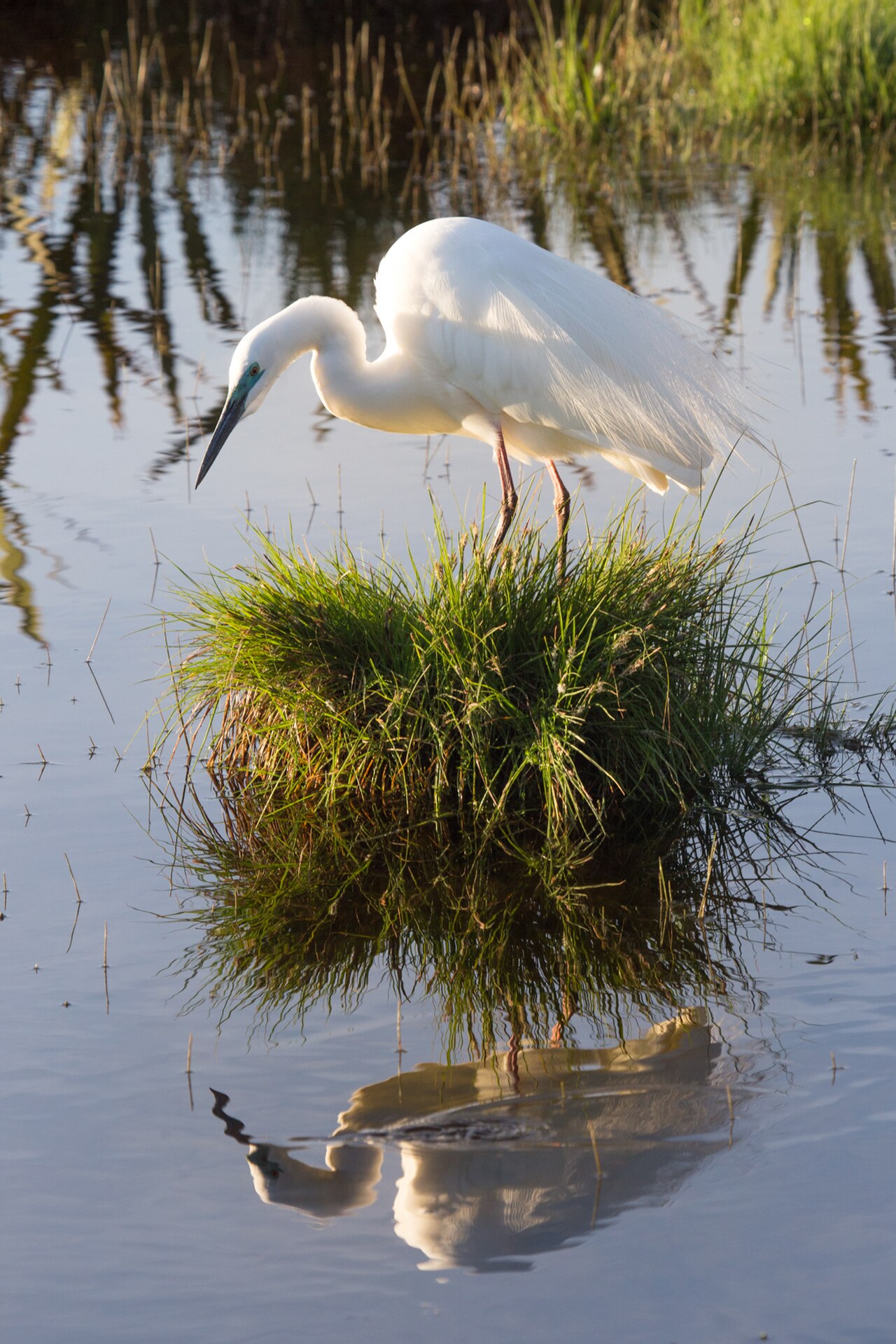
Licensed referenceRina Sjardin-Thompson / CC BY-SA 4.0 · cc-by-sa
—observations
—countries
—peak records
Least ConcernConservation statusIUCN Red List categoriesLCNTVUENCREWEXLeast ConcernRed List categories, explained →
Diet & prey
- Small fish
- Frogs
- Freshwater crayfish
Predators
- White-bellied sea eagle
- Swamp harrier
- Feral cat
ThreatsWetland drainage, habitat degradation, water diversion, nesting site disturbance
HabitatsFreshwater wetlands, tidal marshes, estuaries, lake shores, flooded rice paddies
Life span15–22 years
Size / weightNot available
Classification
- OrderPelecaniformes
- FamilyArdeidae
- GenusArdea
- SpeciesArdea modesta
Range data is not available yet.
Interaction riskLow
- Low
- Moderate
- High
- Very high
- Why interaction risk is low
- Can strike defensively with a sharp bill if cornered; observe from a respectful distance.
- Why it is dangerous
- The spear-like bill can drive swift, deep puncture wounds directed instinctively toward the eyes when birds feel trapped.
- How to recognize a risky encounter
- Tall, pure white plumage with a long S-shaped neck and a heavy dagger bill that turns from yellow to black in breeding season.
- What to do
- Give foraging birds plenty of space, and contact licensed wildlife rehabilitators rather than handling an injured egret directly.
Responsible observation
- Distance: Maintain at least 30 to 50 meters, as wading herons readily abandon prime feeding spots when approached.
- Optics: Use a spotting scope or telephoto lens to view delicate breeding plumes without causing alarm.
- Nesting Etiquette: Avoid approaching breeding colonies, as human presence can cause nest abandonment.
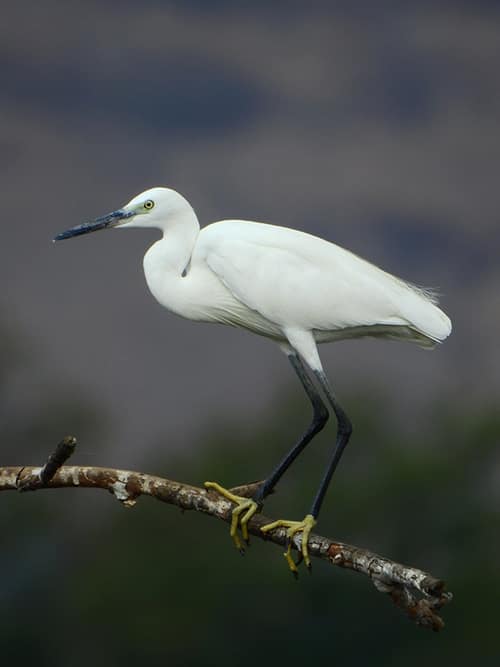
Frequent Companion Shantanu Kuveskar / CC BY-SA 4.0 · cc-by-sa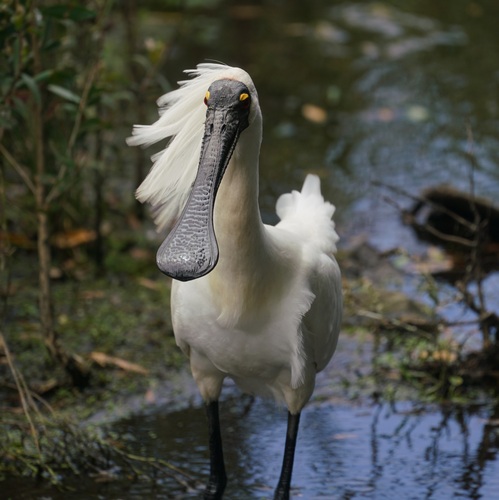
Nesting Associate (c) Tim, some rights reserved (CC BY) · cc-by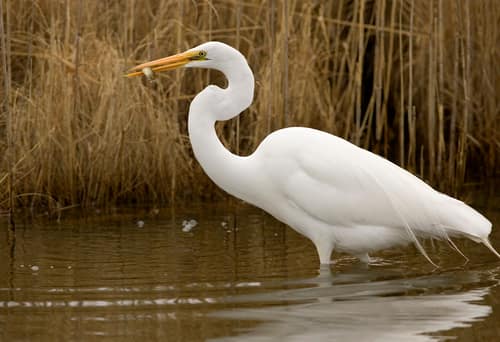
Close Relative "Photo of the Week - Great Egret at Chincoteague National Wildlife Refuge" by U. S. Fish and Wildlife Service - Northeast Region is marked with Public Domain Mark 1.0. To view the terms, visit https://creativecommons.org/publicdomain/mark/1.0/. · cc0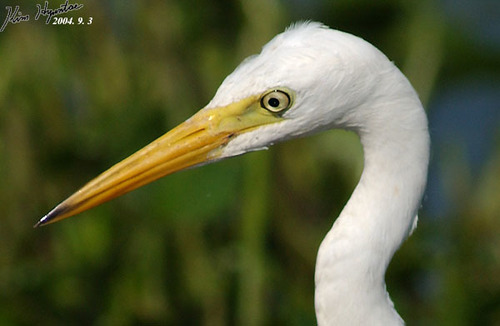
Close Relative (c) Kim, Hyun-tae, some rights reserved (CC BY), uploaded by Kim, Hyun-tae · cc-by
Keep collecting in Fauna
Found in Collections
Ecosystem chain
Wetland Territory
Eastern Great Egret is found in this collection. Identify it in Fauna to fill this slot and continue your progress.
—/12
Help improve the field guideSomething wrong?
Checking your Fauna account…Report a name, category, or profile issue for review.