
Bird
Laughing Gull
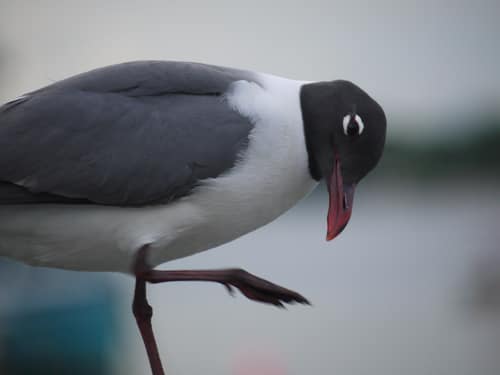
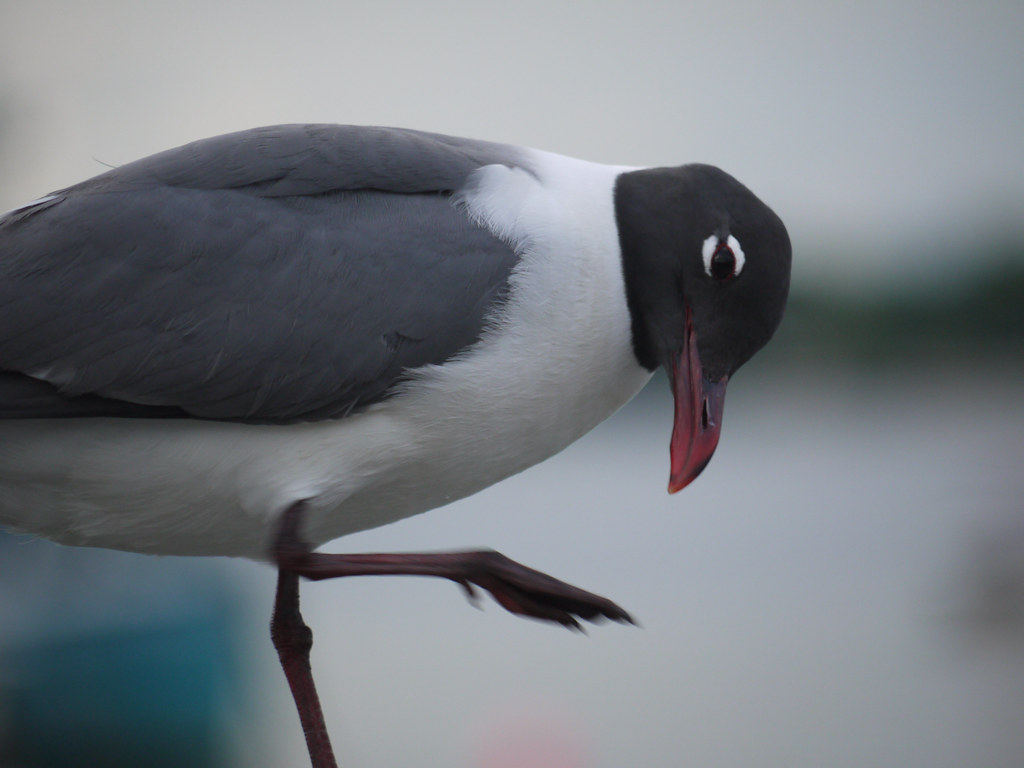
Leucophaeus atricillaLaughing gulls bring high-energy vocal drama to Atlantic coastlines with their distinctive, high-pitched laughing calls. Breeding adults sport a crisp black hood, dark slate-grey mantle, and a deep red bill that fades to dull brown in winter. Dense colonies nest on coastal salt marsh islands, where parents aggressively defend eggs and chicks from aerial predators.
CoastalSeabirdColonial
—observations
—countries
—peak records
Least ConcernConservation statusIUCN Red List categoriesLCNTVUENCREWEXLeast ConcernRed List categories, explained →
Diet & preySmall fish, Crabs, Insects
Predators
- Peregrine Falcon
- Great Horned Owl
- Raccoon
ThreatsCoastal development, sea-level rise, marine pollution, nesting colony disturbance
HabitatsCoastal beaches, bays, estuaries, salt marshes, coastal landfills
Life span15–20 years
Classification
- OrderCharadriiformes
- FamilyLaridae
- GenusLeucophaeus
- SpeciesLeucophaeus atricilla
Range data is not available yet.
Interaction riskLow
- Low
- Moderate
- High
- Very high
- Why interaction risk is low
- Safe to observe at a distance; parents may dive-bomb intruders near nesting colonies.
Responsible observation
- Observing Colonies: Keep a respectful distance from salt marsh nesting sites to avoid flushing brooding adults.
- Feeding Caution: Refrain from offering food scraps, which encourages aggressive begging and unnatural habituation.
- Field Identification: Look for the dark grey mantle and broken white eye-ring during spring and summer.
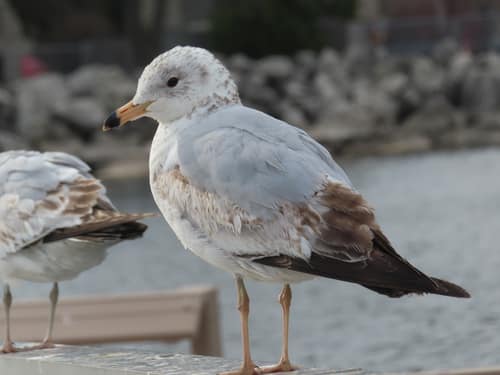
Competitor (c) Eric Schmidt, some rights reserved (CC BY), uploaded by Eric Schmidt · cc-by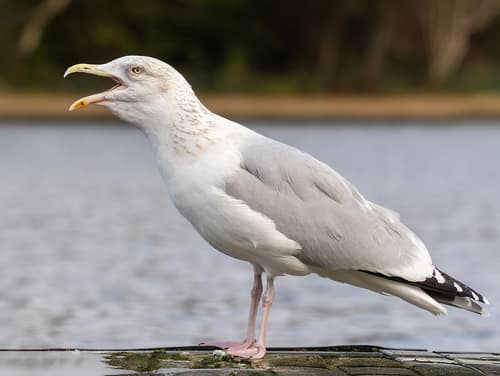
Competitor Rhododendrites / CC BY-SA 4.0 · cc-by-sa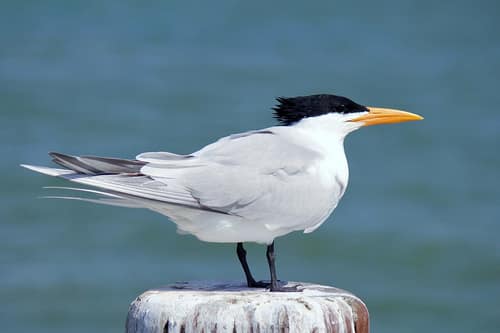
Nesting Neighbor EyeLoveBirds from Vancouver, Canada / CC BY-SA 2.0 · cc-by-sa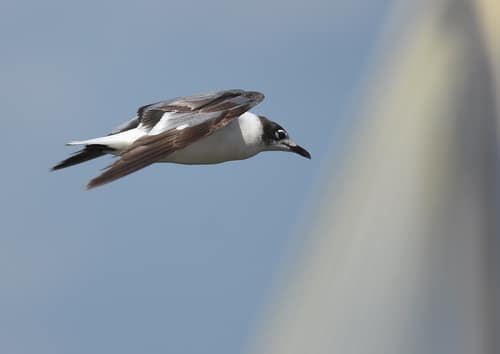
Close Relative "Franklin's Gull (1st summer bird, molting)" by Wildreturn is licensed under CC BY 2.0. To view a copy of this license, visit https://creativecommons.org/licenses/by/2.0/. · cc-by
Keep collecting in Fauna
Found in Collections
Species set Pro
Shore Life
Laughing Gull is found in this collection. Identify it in Fauna to fill this slot and continue your progress.
Unlock to track progress
Help improve the field guideSomething wrong?
Checking your Fauna account…Report a name, category, or profile issue for review.