
Bird · GBIF taxon 6065824
Black-headed Gull
Chroicocephalus ridibundusAlso known as Common Black-headed Gull, Peewit
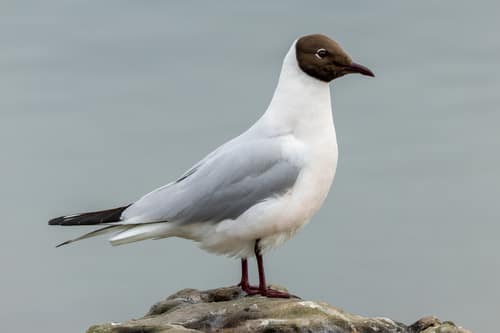
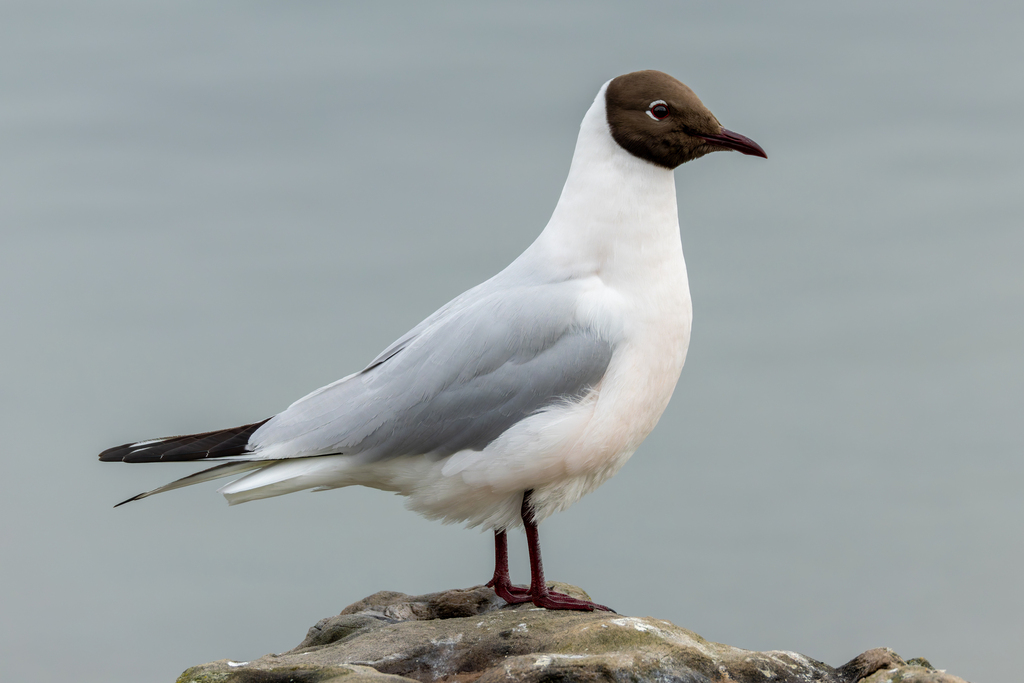
Black-headed gulls are energetic, vocal birds that trade their white winter plumage for a deep chocolate-brown hood during the spring breeding season. Found across lakes, marshes, and urban parks, these opportunistic foragers gather in noisy colonies and readily adapt to human presence. Their sharp squawking calls form a constant backdrop to coastal and wetland environments across Europe and Asia.
SociableCoastalMigratory
 1 / 7
1 / 7—observations
—countries
—peak records
Least ConcernConservation statusIUCN Red List categoriesLCNTVUENCREWEXLeast ConcernRed List categories, explained →
Diet & prey
- Earthworms
- Insects
- Small fish
Predators
- Red Fox
- Peregrine Falcon
- Northern Goshawk
ThreatsHabitat degradation, avian influenza, plastic pollution
HabitatsCoastal shores, lakes, wetlands, agricultural land, urban parks
Life span10–15 years
Size / weightNot available
Classification
- OrderCharadriiformes
- FamilyLaridae
- GenusChroicocephalus
- SpeciesChroicocephalus ridibundus
Range data is not available yet.
Interaction riskLow
- Low
- Moderate
- High
- Very high
- Why interaction risk is low
- Safe to observe at a normal distance.
Responsible observation
- Seasonal Plumage: Look for the dark chocolate brown hood in spring and summer, which fades to a simple dark ear spot in winter.
- Flock Behavior: Observe large roosts along lake edges and coastal mudflats where they gather to groom and sleep.
- Foraging Trait: Watch them follow tractors in farm fields to snatch freshly unearthed earthworms and grubs.
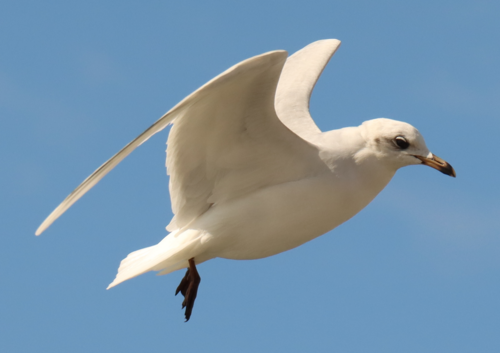
Competitor no rights reserved · cc0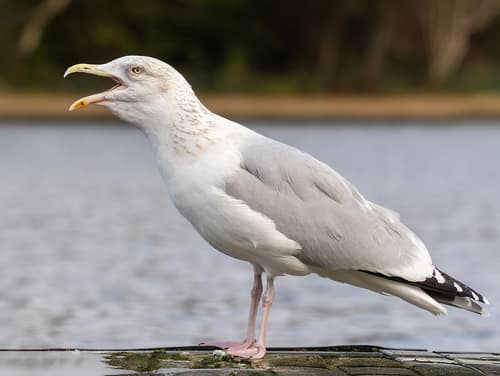
Frequent Companion Rhododendrites / CC BY-SA 4.0 · cc-by-sa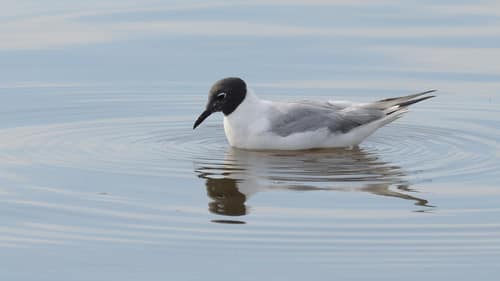
Close Relative "Bonaparte's Gull" by marknenadov is licensed under CC BY 2.0. To view a copy of this license, visit https://creativecommons.org/licenses/by/2.0/. · cc-by
Keep collecting in Fauna
Found in Collections
Species set Pro
Shore Life
Black-headed Gull is found in this collection. Identify it in Fauna to fill this slot and continue your progress.
Unlock to track progress
Help improve the field guideSomething wrong?
Checking your Fauna account…Report a name, category, or profile issue for review.