
Insect · GBIF taxon 5990169
Grapevine Beetle
Pelidnota punctataAlso known as Spotted June Beetle, Spotted Pelidnota
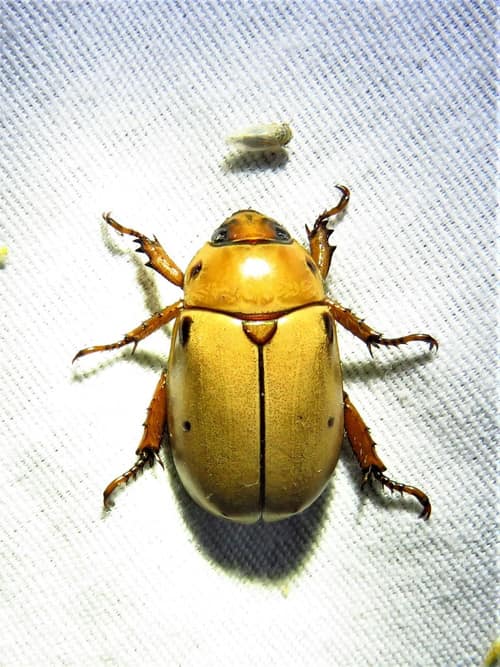
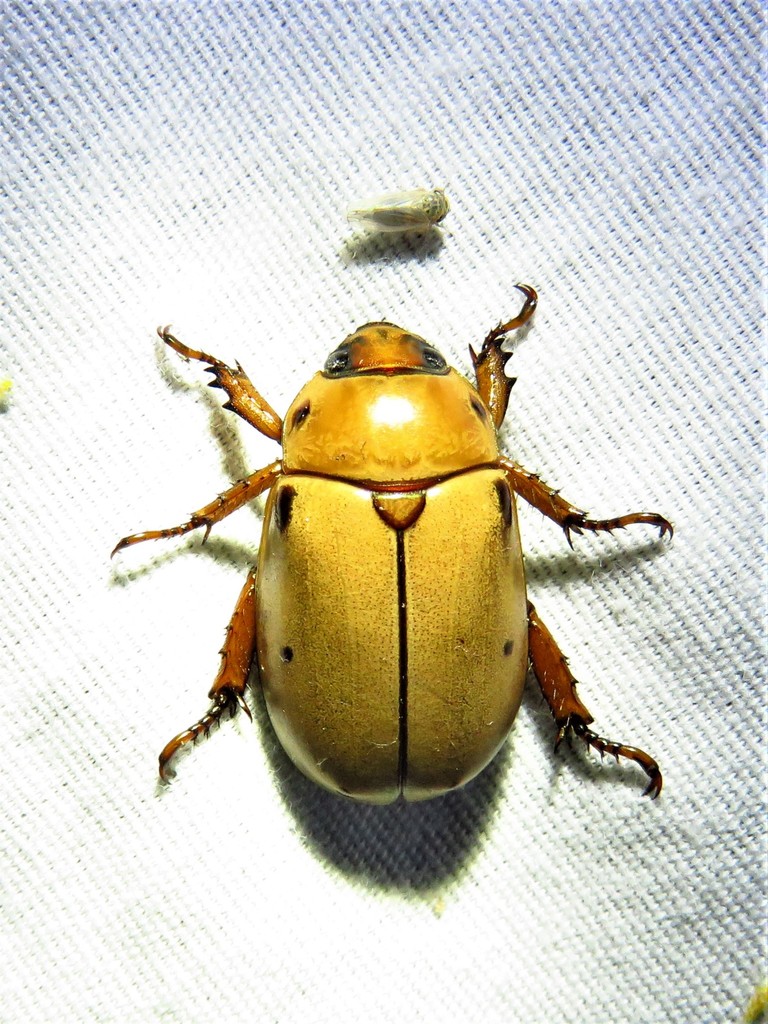
Grapevine beetles are robust, glossy scarabs easily recognized by their creamy clay-yellow wing covers marked with several distinct black spots. Adults emerge in midsummer to feed on the foliage and fruit of native wild grapes and Virginia creeper, taking flight at dusk with a loud, buzzing hum that often leads them toward porch lights. Females deposit eggs in decaying tree stumps and rotting logs, where the plump white larvae feed on decomposing wood for up to two years before pupating.
NocturnalHerbivoreWood-boring
—observations
—countries
—peak records
Not EvaluatedConservation statusIUCN Red List categoriesLCNTVUENCREWEXNot Evaluated — not placed on the risk ladderRed List categories, explained →
Diet & prey
- Grape and Virginia creeper leaves and fruit; decaying wood as larvae
Predators
- Big Brown Bat
- Blue Jay
- American Toad
ThreatsBroad-spectrum pesticide spraying and loss of deadwood habitat
HabitatsDeciduous forests, forest edges, vineyard borders, and overgrown thickets
Life span1–2 years (mostly spent in the larval stage)
Classification
- OrderColeoptera
- FamilyScarabaeidae
- GenusPelidnota
- SpeciesPelidnota punctata
Range data is not available yet.
Interaction riskLow
- Low
- Moderate
- High
- Very high
- Why interaction risk is low
- Safe to observe at a normal distance.
Responsible observation
- Nighttime Spotting: Check illuminated window screens, porch lanterns, and sheet lights on warm summer nights.
- Foliage Inspection: Look beneath tangled wild grape vines along woodland margins during late afternoon.
- Gentle Handling: Allow them to crawl freely on an open palm; their clinging tarsal claws are completely harmless.
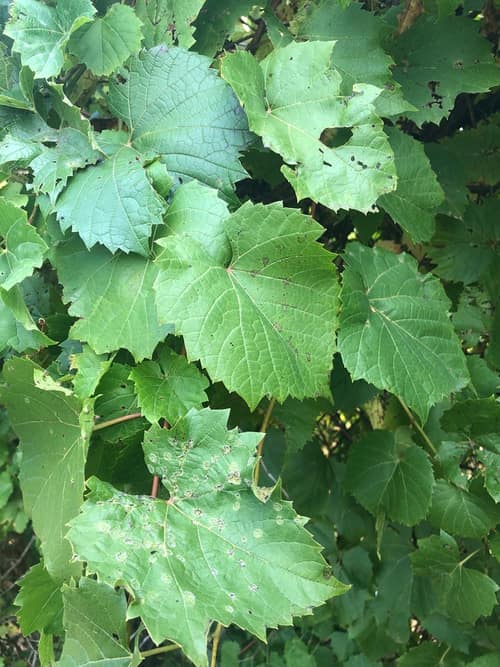
Host Plant (c) miquelon, some rights reserved (CC BY), uploaded by miquelon · cc-by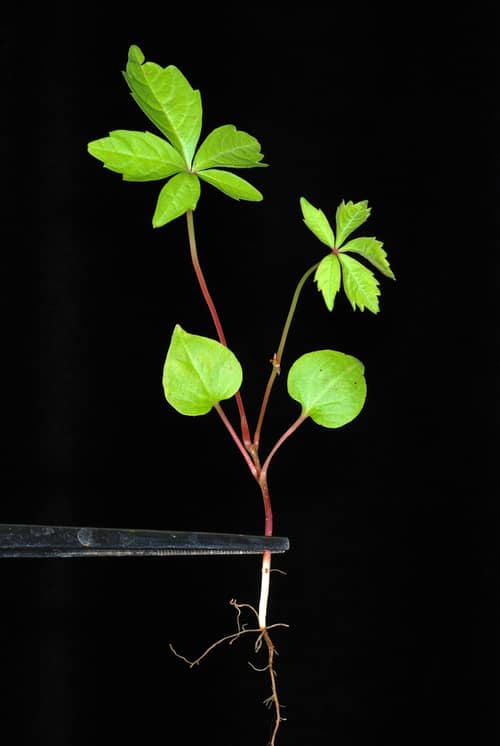
Host Plant (c) Douglas Goldman, some rights reserved (CC BY-SA), uploaded by Douglas Goldman · cc-by-sa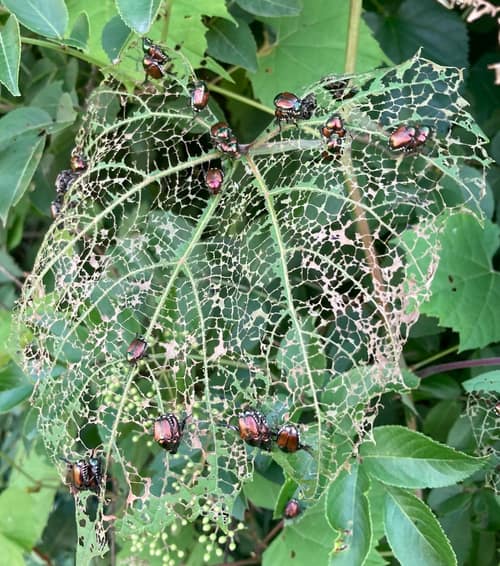
Competitor no rights reserved, uploaded by bgirardot · cc0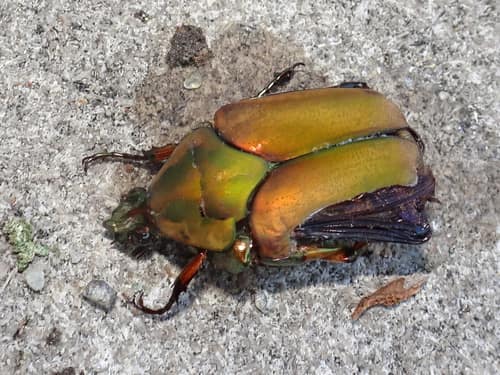
Same Family (c) Thomas Koffel, some rights reserved (CC BY), uploaded by Thomas Koffel · cc-by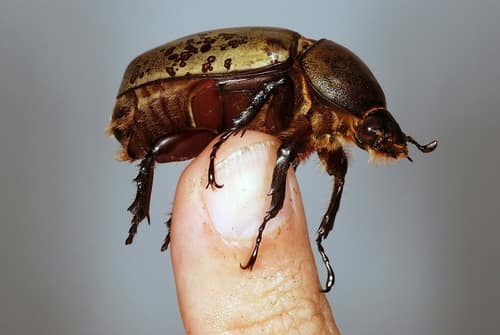
Same Family (c) Douglas Goldman, some rights reserved (CC BY-SA), uploaded by Douglas Goldman · cc-by-sa
Help improve the field guideSomething wrong?
Checking your Fauna account…Report a name, category, or profile issue for review.