
Reptile
African Softshell Turtle
Trionyx triunguisAlso known as Nile Softshell Turtle
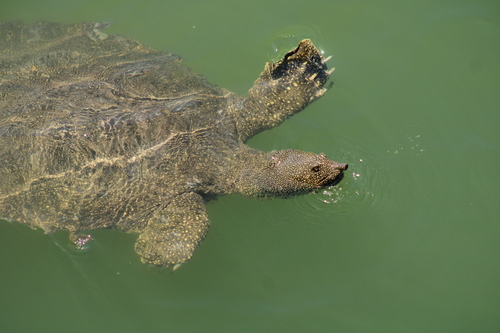
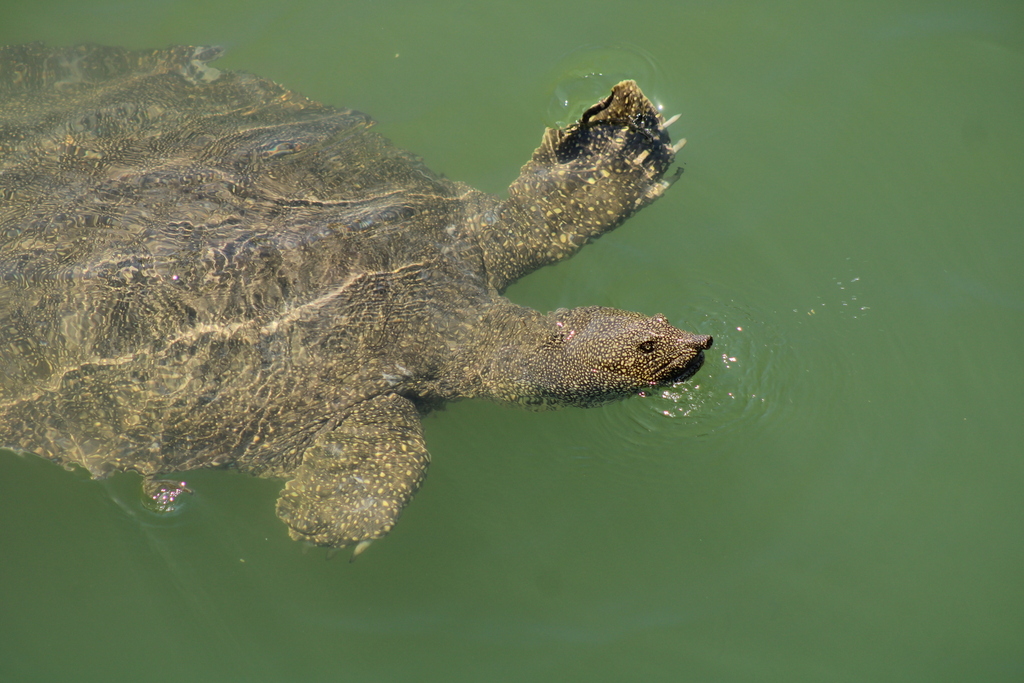
African softshell turtles spend much of their time submerged in muddy riverbeds or sandy estuaries, burying their bodies while extending their snorkel-like snouts to breathe at the surface. Despite their docile appearance while resting, they are formidable ambush predators that strike with lightning speed when fish or crabs wander within reach. Populations in the eastern Mediterranean regularly venture into marine waters, making them among the few freshwater turtle species that tolerate open sea travel.
AquaticCarnivorousReptile
—observations
—countries
—peak records
VulnerableConservation statusIUCN Red List categoriesLCNTVUENCREWEXVulnerableRed List categories, explained →
Diet & preyFreshwater Fish, Crabs, Freshwater Mussels
Predators
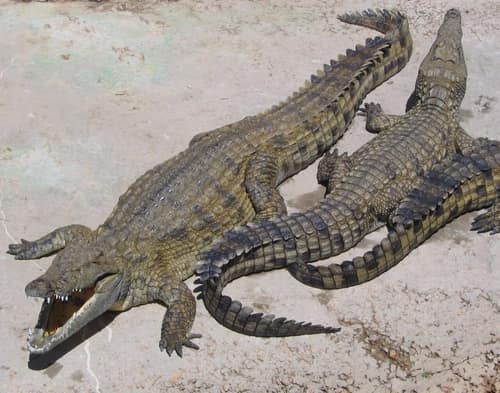
- Nile Crocodile
- Monitor Lizard
- Birds of Prey
ThreatsFisheries bycatch, nesting habitat loss, pollution, and meat harvesting
HabitatsLarge rivers, lakes, estuaries, coastal lagoons, and marine shorelines
Life span30–50 years
Classification
- FamilyTrionychidae
- SpeciesTrionyx triunguis
Range data is not available yet.
Interaction riskLow
- Low
- Moderate
- High
- Very high
- Why interaction risk is low
- Possesses powerful jaws and a long neck capable of delivering severe defensive bites; maintain distance.
- Why it is dangerous
- Retains a flexible neck and powerful, sharp-edged jaws capable of crushing shells and severing fingers during defensive strikes.
- How to recognize a risky encounter
- Look for a broad, rubbery olive-brown shell dotted with pale speckles and a distinct tubular snout.
- What to do
- Never attempt to restrain or lift an adult by hand; keep hands and feet clear of the snapping range.
- What to notice
- Recognized by its massive size, lack of bony scutes, and paddle-like limbs tipped with three prominent claws.
- Support conservation
- Avoid approaching nesting females on beaches and notify conservation authorities of stranded or injured individuals.
Responsible observation
- Basking Observation: Scan exposed sandbars and muddy banks quietly with binoculars, as basking turtles flee into deep water at slight vibrations.
- Water Entanglement: Report any individuals caught in commercial gillnets or hooks to local wildlife rescuers rather than handling them directly.
- Safe Distance: Maintain several meters of distance from nesting females encountered on coastal beaches or river shores.
Competitor Dewet / CC BY-SA 2.0 · cc-by-sa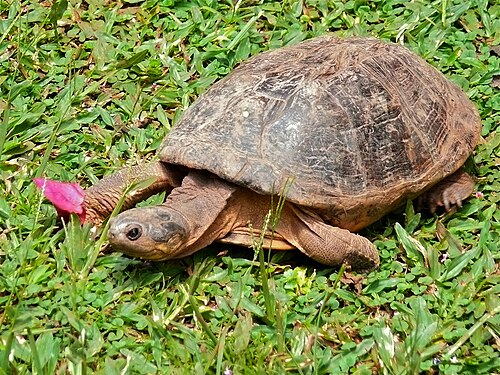
Neighbor Bernard DUPONT from FRANCE / CC BY-SA 2.0 · cc-by-sa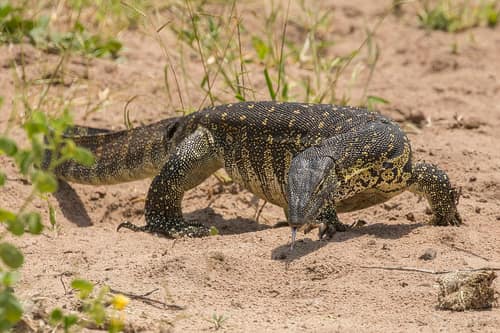
Predator Charles J. Sharp / CC BY-SA 4.0 · cc-by-sa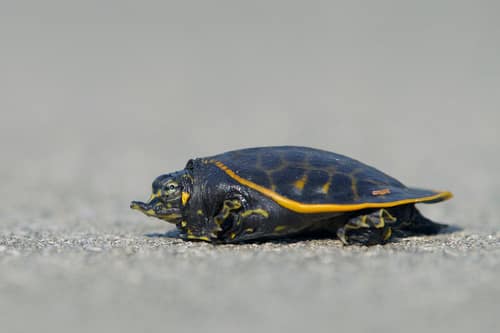
Same Family (c) Owen Strickland, some rights reserved (CC BY), uploaded by Owen Strickland · cc-by
Help improve the field guideSomething wrong?
Checking your Fauna account…Report a name, category, or profile issue for review.