
Reptile · GBIF taxon 5960558
Western Skink
Plestiodon skiltonianusAlso known as Skilton's Skink, Western Blue-Tailed Skink
Bright blue tails on juveniles give way to sleek brownish stripes on adults, drawing predator strikes away from vital organs. These agile, smooth-scaled lizards spend much of their morning basking near cover before darting through leaf litter in search of insects. When cornered or seized, a western skink can shed its tail, which twitches frantically to distract threats while the lizard slips into safety.
DiurnalReptileStriped
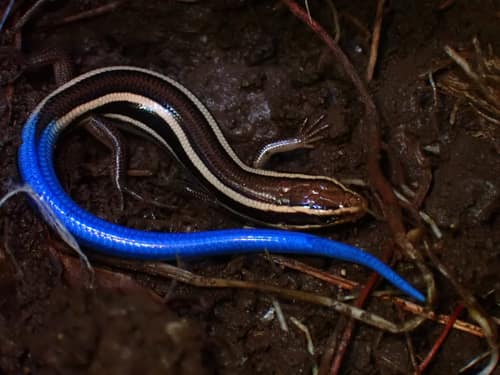
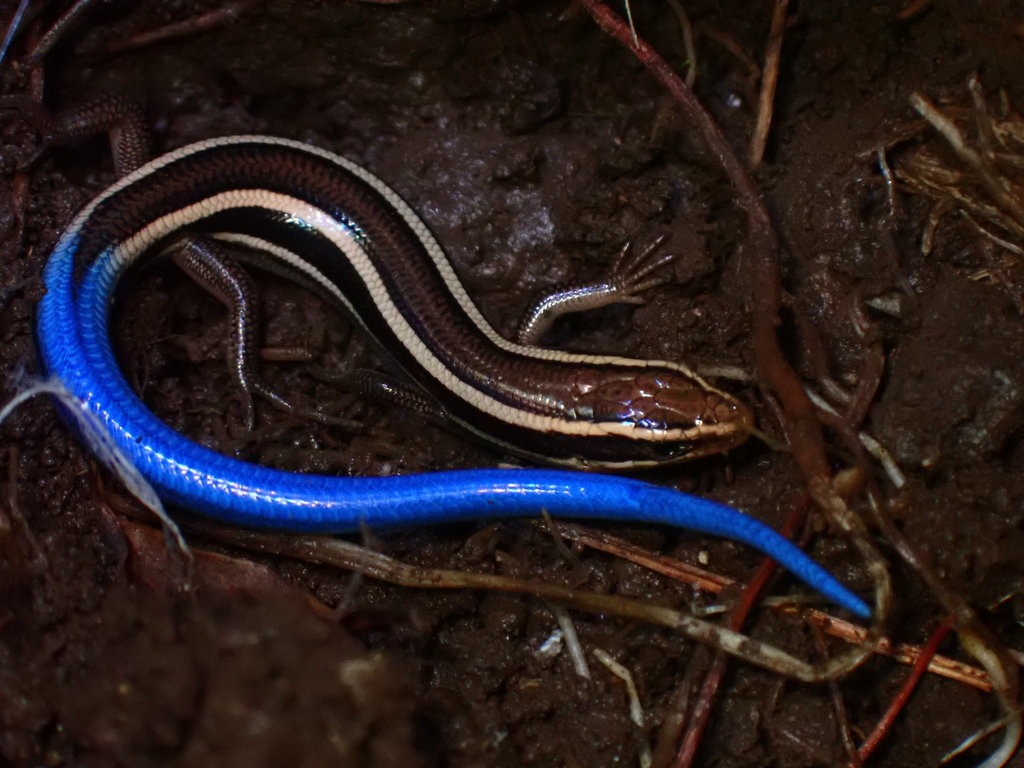 1 / 7
1 / 7—observations
—countries
—peak records
Least ConcernConservation statusIUCN Red List categoriesLCNTVUENCREWEXLeast ConcernRed List categories, explained →
Diet & prey
- Spiders
- Beetles
- Crickets
Predators
- Snakes
- Hawks
- Domestic Cats
ThreatsHabitat loss, urban development, invasive predators like domestic cats
HabitatsOpen woodlands, grasslands, rocky hillsides, forest edges
Life span5 to 10 years
Classification
- FamilyScincidae
- SpeciesPlestiodon skiltonianus
Range data is not available yet.
Interaction riskLow
- Low
- Moderate
- High
- Very high
- Why interaction risk is low
- Nips when grabbed or cornered; observe quietly without attempting to catch.
Responsible observation
- Finding Them: Look around sunny clearings, under flat rocks, and near fallen logs during warm mornings.
- Tail Care: Avoid grabbing or touching the tail, as it detaches easily and drains vital energy to regrow.
- Viewing Etiquette: Keep a modest distance to watch natural foraging behavior without scaring them into cover.
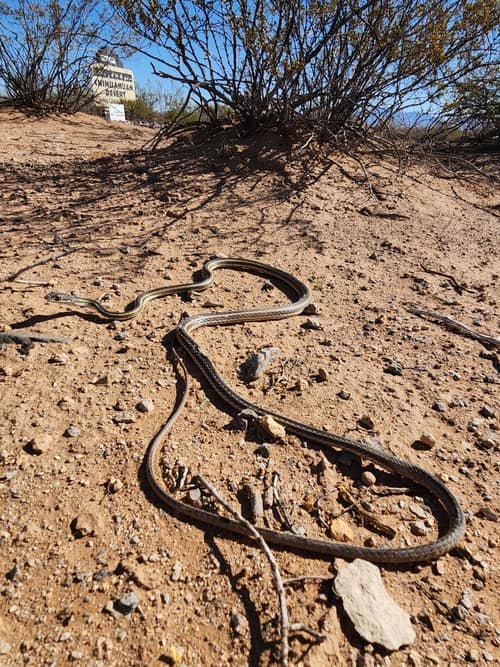
Predator no rights reserved · cc0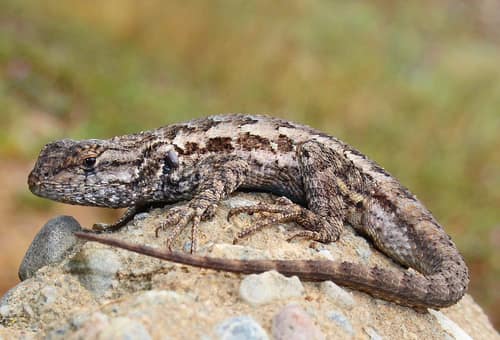
Frequent Companion Connor Long / CC BY-SA 4.0 · cc-by-sa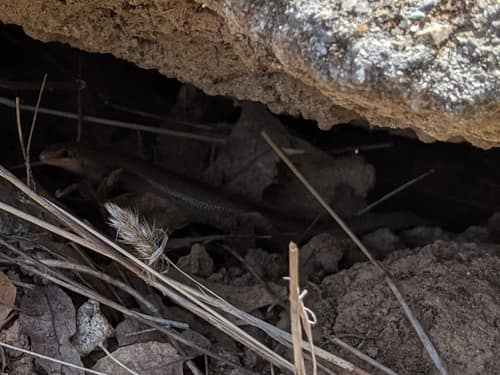
Close Relative (c) Justin, some rights reserved (CC BY) · cc-by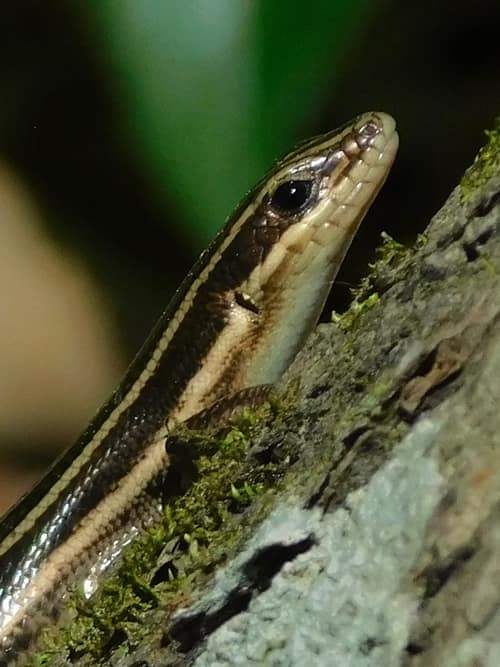
Eastern Relative (c) Michael J. Papay, some rights reserved (CC BY), uploaded by Michael J. Papay · cc-by
Help improve the field guideSomething wrong?
Checking your Fauna account…Report a name, category, or profile issue for review.