
Bird
Snowy Owl
Bubo scandiacusAlso known as Polar Owl, White Owl, Arctic Owl
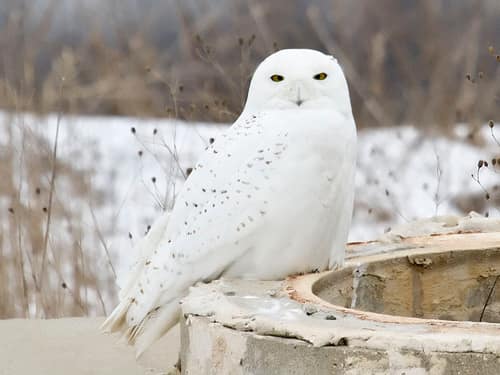
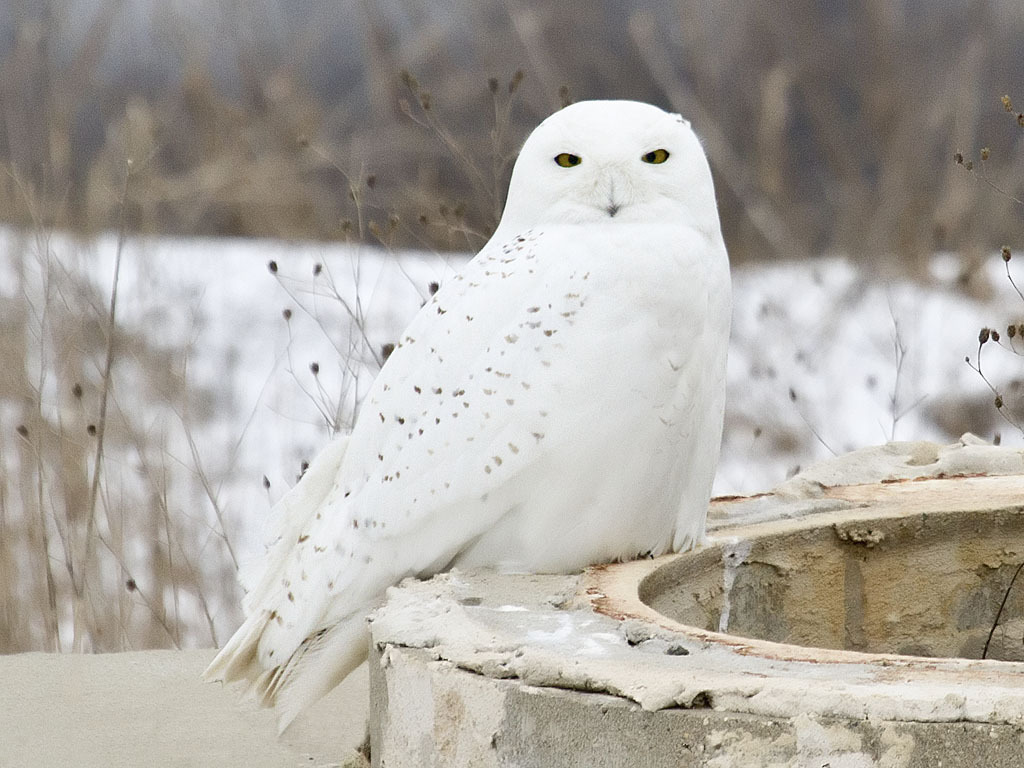
Snowy owls are powerful Arctic hunters that rely on acute eyesight and hearing to spot rodents moving beneath deep snow cover. Unlike most owls, they are largely diurnal, hunting day and night during the continuous sunlight of the northern summer. Females defend tundra nests built directly on bare ground, while males deliver dozens of lemmings daily to sustain growing broods.
DiurnalArcticRaptor
—observations
—countries
—peak records
VulnerableConservation statusIUCN Red List categoriesLCNTVUENCREWEXVulnerableRed List categories, explained →
Diet & preyBrown Lemming, Meadow Vole, Ptarmigan
Predators
- Arctic Fox
- Wolves
- Parasitic Jaeger
ThreatsClimate change altering prey cycles, vehicle collisions, powerline strikes
HabitatsArctic tundra, coastal dunes, open grasslands, agricultural fields
Life span10–15 years in the wild
Classification
- OrderStrigiformes
- FamilyStrigidae
- GenusBubo
- SpeciesBubo scandiacus
Native
Interaction riskLow
- Low
- Moderate
- High
- Very high
- Why interaction risk is low
- Powerful talons cause severe scratches if cornered; maintain a respectful viewing distance.
- What to notice
- Recognizable by its broad rounded head, yellow eyes, and white plumage with dark brown flecking.
- Support conservation
- Observe from inside a parked vehicle or at a distance of at least 100 meters to prevent stress.
Responsible observation
- Binocular Use: View perching individuals from afar using a spotting scope or telephoto lens to prevent flushing.
- Winter Spotting: Look for them scanning open terrain from low mounds, fences, or shoreline dunes during winter irruptions.
- Disturbance Cues: Back away immediately if the owl stands upright, stares intently, or bobbs its head.
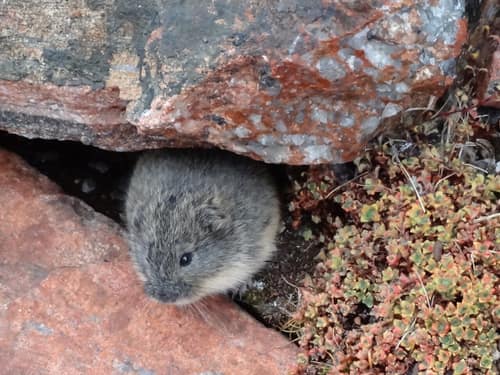
Primary Prey Robert McLeod / CC0 · cc0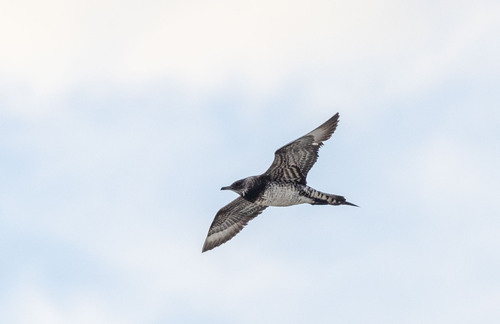
Competitor no rights reserved · cc0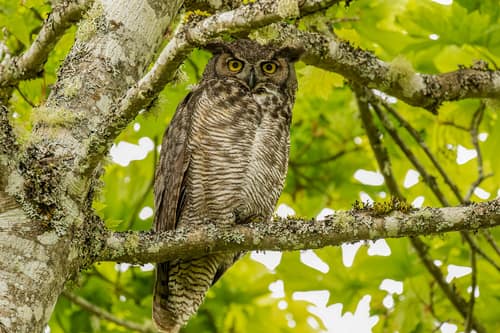
Close Relative "Great Horned Owl, the first I've seen in decent light this year. Didn't want to disturb it for too long so we continued along the trail" by island deborah- is licensed under CC BY-SA 2.0. To view a copy of this license, visit https://creativecommons.org/licenses/by-sa/2.0/. · cc-by-sa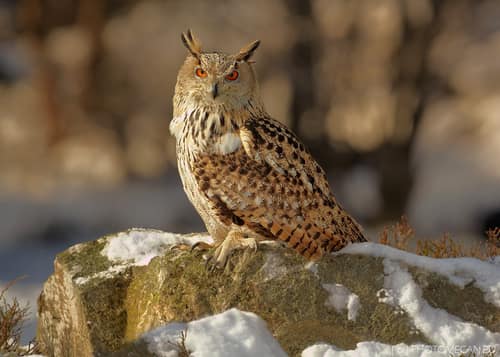
Close Relative Martin Mecnarowski (http://www.photomecan.eu/) / CC BY-SA 3.0 · cc-by-sa
Keep collecting in Fauna
Found in Collections
Species set
Moonlight Marvels
Snowy Owl is found in this collection. Identify it in Fauna to fill this slot and continue your progress.
—/7
Help improve the field guideSomething wrong?
Checking your Fauna account…Report a name, category, or profile issue for review.