
Bird · GBIF taxon 5959134
Pharaoh Eagle-Owl
Bubo ascalaphusAlso known as Desert Eagle-Owl, Egyptian Eagle-Owl
Pharaoh eagle-owls are formidable desert predators that inhabit arid, rocky landscapes across North Africa and the Middle East. They emerge at dusk to hunt small mammals, birds, and reptiles using keen night vision and virtually silent flight. Pairs form lifelong monogamous bonds and defend territories with deep, resonant hooting that echoes through desert canyons.
NocturnalDesert SpeciesRaptor
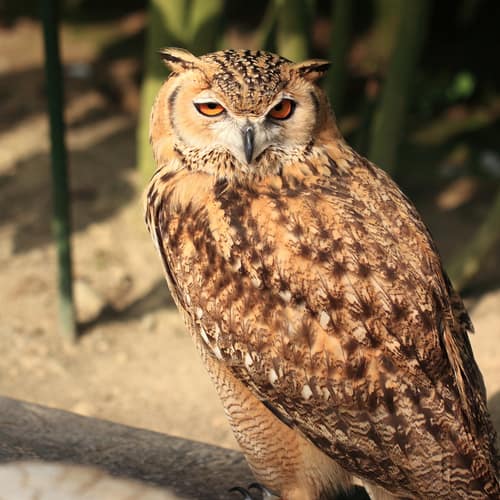
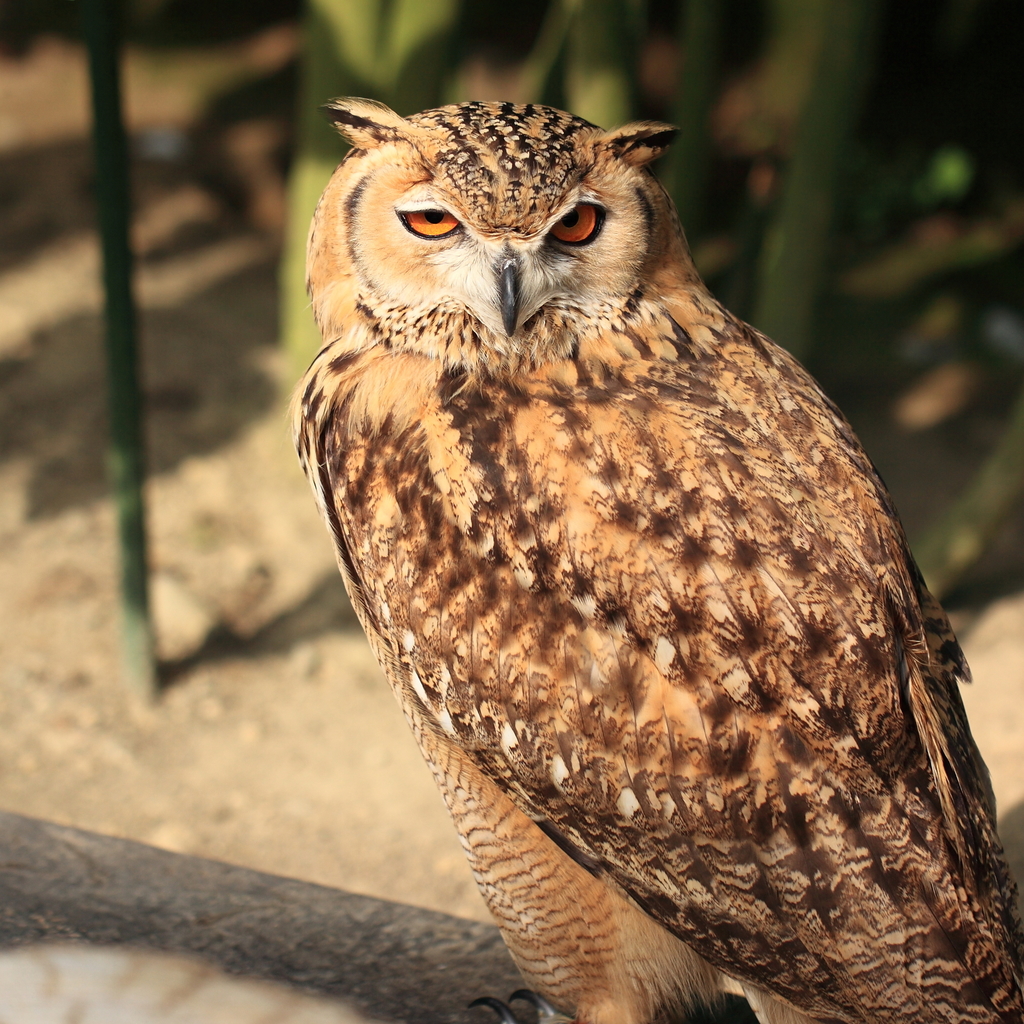
—observations
—countries
—peak records
Least ConcernConservation statusIUCN Red List categoriesLCNTVUENCREWEXLeast ConcernRed List categories, explained →
Diet & prey
- Gerbils
- Jerboas
- Desert hares
Predators
- Golden eagles
- Feral dogs
ThreatsHabitat degradation, secondary poisoning from rodenticides, vehicle collisions
HabitatsDeserts, rocky gorges, arid scrublands, wadis
Life span15–20 years in the wild
Size / weightNot available
Classification
- FamilyStrigidae
- SpeciesBubo ascalaphus
Range data is not available yet.
Interaction riskLow
- Low
- Moderate
- High
- Very high
- Why interaction risk is low
- Possesses powerful talons and a sharp beak; observe from a safe distance.
- What to notice
- Recognize by sandy-ochre camouflage, small ear tufts, and prominent yellow eyes against rocky ledges.
- Support conservation
- Keep a generous distance from active nesting cliffs during spring and avoid using audio playback.
Responsible observation
- Scanning Cliffs: Search rocky ledges and cliff faces at dusk when hunting begins.
- Listening for Calls: Listen for deep, soft hooting reverberating through desert wadis shortly after sunset.
- Maintaining Distance: Use binoculars or a spotting scope to avoid flushing nesting pairs from ledges.
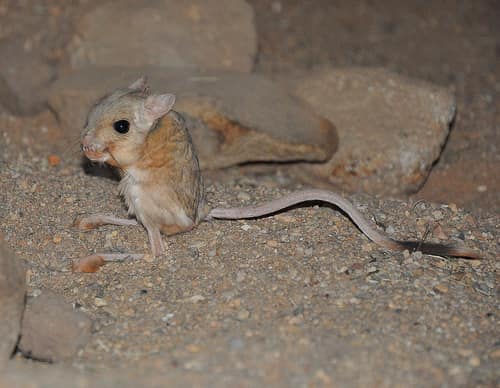
Prey Elias Neideck / CC BY-SA 3.0 · cc-by-sa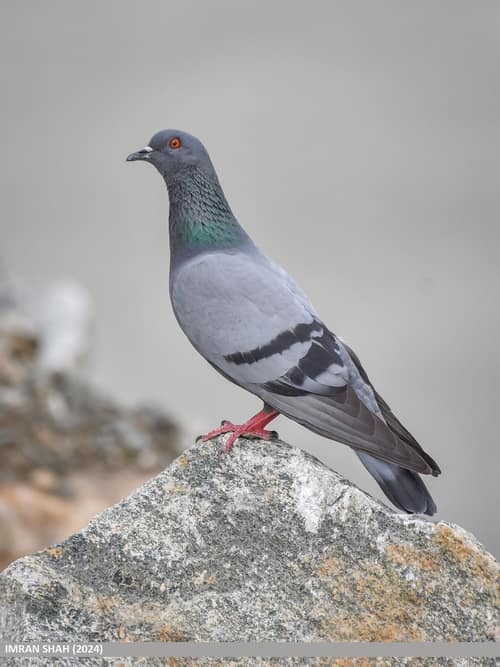
Prey (c) Birds of Gilgit-Baltistan, some rights reserved (CC BY-SA) · cc-by-sa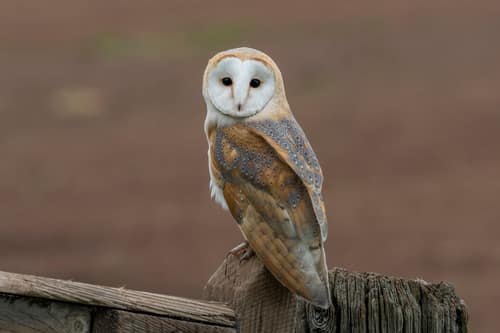
Competitor (c) caroline legg, some rights reserved (CC BY) · cc-by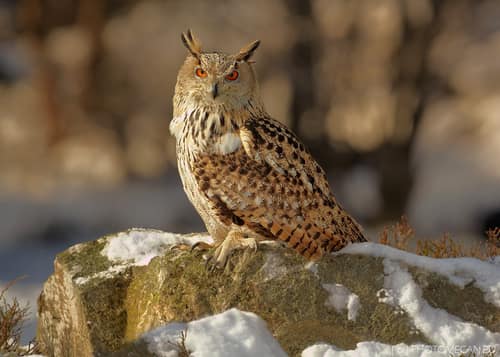
Close Relative Martin Mecnarowski (http://www.photomecan.eu/) / CC BY-SA 3.0 · cc-by-sa
Help improve the field guideSomething wrong?
Checking your Fauna account…Report a name, category, or profile issue for review.