
Invertebrate · GBIF taxon 5789955
Tasmanian Giant Freshwater Crayfish
Astacopsis gouldiAlso known as Tasmanian Giant Freshwater Lobster, Giant Freshwater Lobster, Gould's Giant Crayfish
Tasmanian giant freshwater crayfish are slow-growing titans of northern Tasmanian streams, capable of reaching weights of up to six kilograms and living for several decades. These massive, dark-armored invertebrates shelter under submerged logs and deep undercut banks during the day, emerging at night to forage along the riverbed. Because they take up to nine years to reach sexual maturity, their populations are exceptionally vulnerable to habitat disturbance and historic overfishing.
AquaticGiant
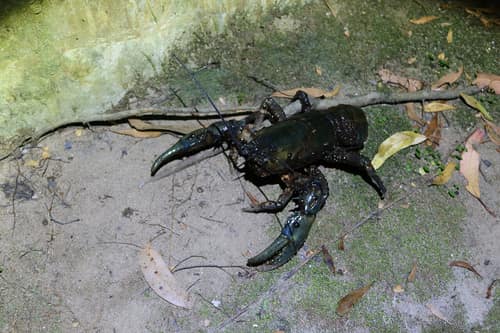
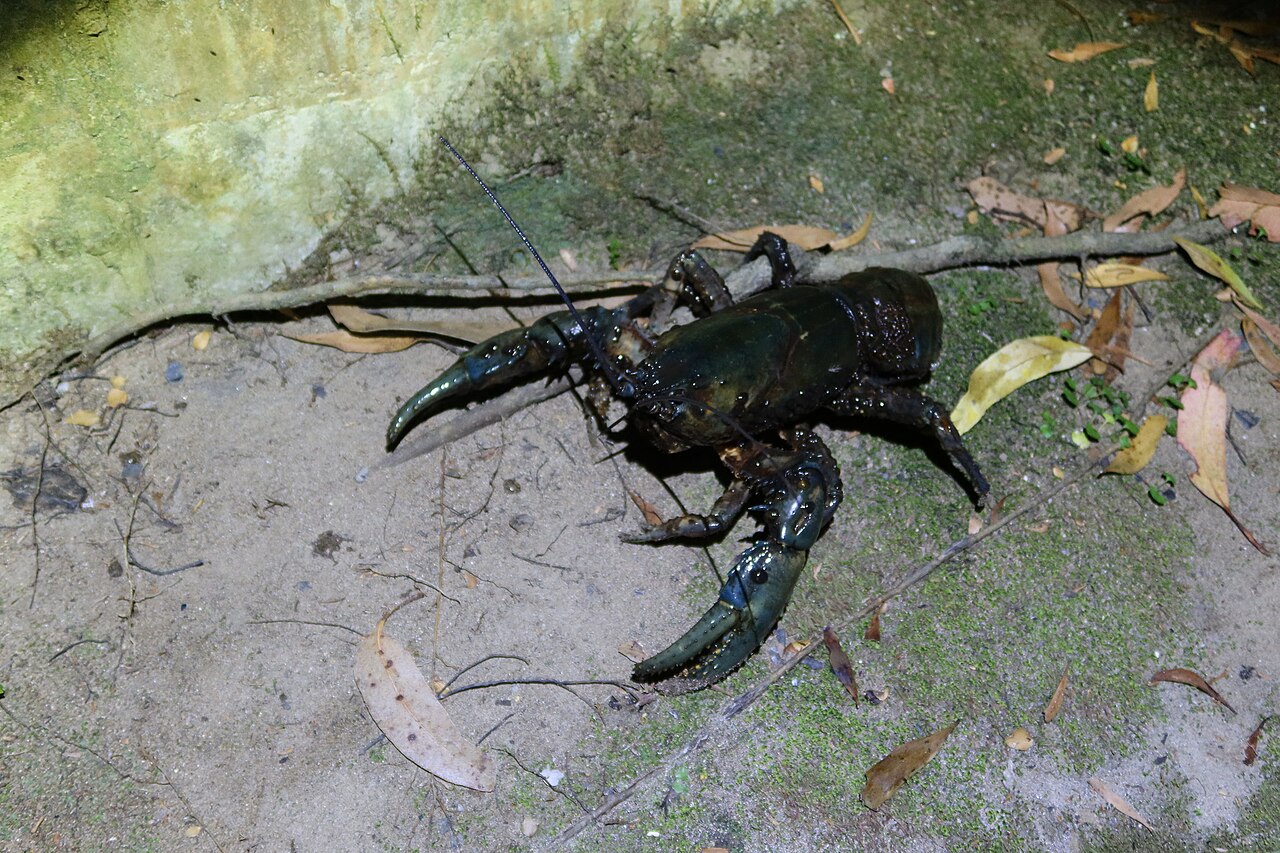
Licensed referenceKiri Bee / CC BY 4.0 · cc-by
—observations
—countries
—peak records
EndangeredConservation statusIUCN Red List categoriesLCNTVUENCREWEXEndangeredRed List categories, explained →
Diet & prey
- Decaying wood
- Aquatic invertebrates
- Fallen leaves
Predators
- Platypuses
- Water rats
- Large native fish
ThreatsHabitat degradation, siltation from forestry, agricultural runoff, and illegal poaching.
HabitatsCool, slow-flowing freshwater rivers and streams with high canopy cover.
Life spanUp to 60 years
Size / weightNot available
Classification
- FamilyParastacidae
- SpeciesAstacopsis gouldi
Range data is not available yet.
Interaction riskLow
- Low
- Moderate
- High
- Very high
- Why interaction risk is low
- Possesses extremely powerful claws capable of inflicting severe pinches; observe from a safe distance without handling.
- Why it is dangerous
- Equipped with massive, powerful claws that can easily crush fingers or cause deep lacerations if the animal feels threatened.
- How to recognize a risky encounter
- Distinguished by its colossal size, dark greenish-blue to black coloration, and heavily armored carapace.
- What to do
- Never attempt to pick up or corner this species; admire its size from the stream bank.
- What to notice
- Recognizable as a massive, lobster-like freshwater crustacean found only in northern Tasmanian rivers.
- Support conservation
- Keep a respectful distance, avoid muddying the water, and report any suspected poaching to local authorities.
Responsible observation
- Look from above: Search for them in clear, shallow pools of shaded Tasmanian rainforest streams during twilight.
- Do not disturb: Avoid turning over large logs or rocks, which destroys their critical nesting hollows.
- Respect the law: Never attempt to capture or handle these protected giants, as poaching carries heavy fines.
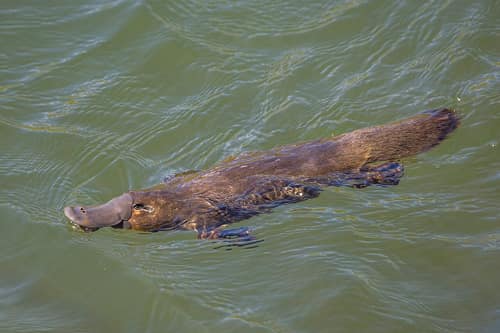
Predator Charles J. Sharp / CC BY-SA 4.0 · cc-by-sa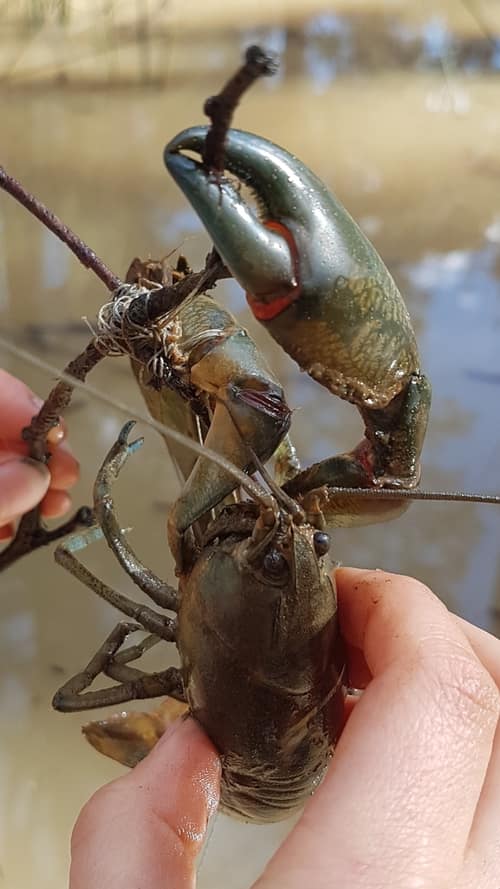
Close Relative (c) Peter Crowcroft, some rights reserved (CC BY) · cc-by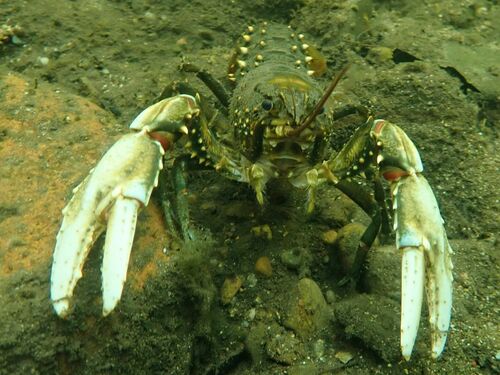
Close Relative (c) coenobita, some rights reserved (CC BY), uploaded by coenobita · cc-by
Help improve the field guideSomething wrong?
Checking your Fauna account…Report a name, category, or profile issue for review.