
Bird
Bridled Tern
Onychoprion anaethetusAlso known as Brown-winged Tern
Bridled terns spend most of their lives soaring over warm pelagic waters, snatching small fish and squid from the ocean surface without plunge-diving. They gather in noisy, sprawling colonies on rocky tropical islets and coral cays to breed, often nesting in rocky crevices or under dense vegetation rather than on open sand. During the non-breeding season, they disperse widely across the tropical oceans, rarely coming ashore except when driven by severe storms.
PelagicSeabirdColonial
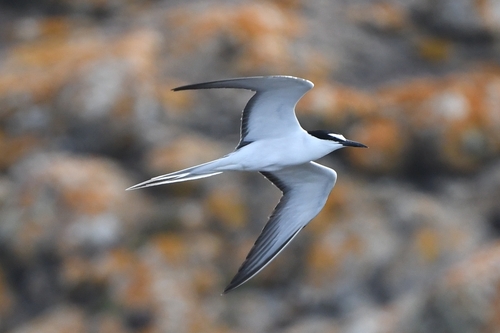
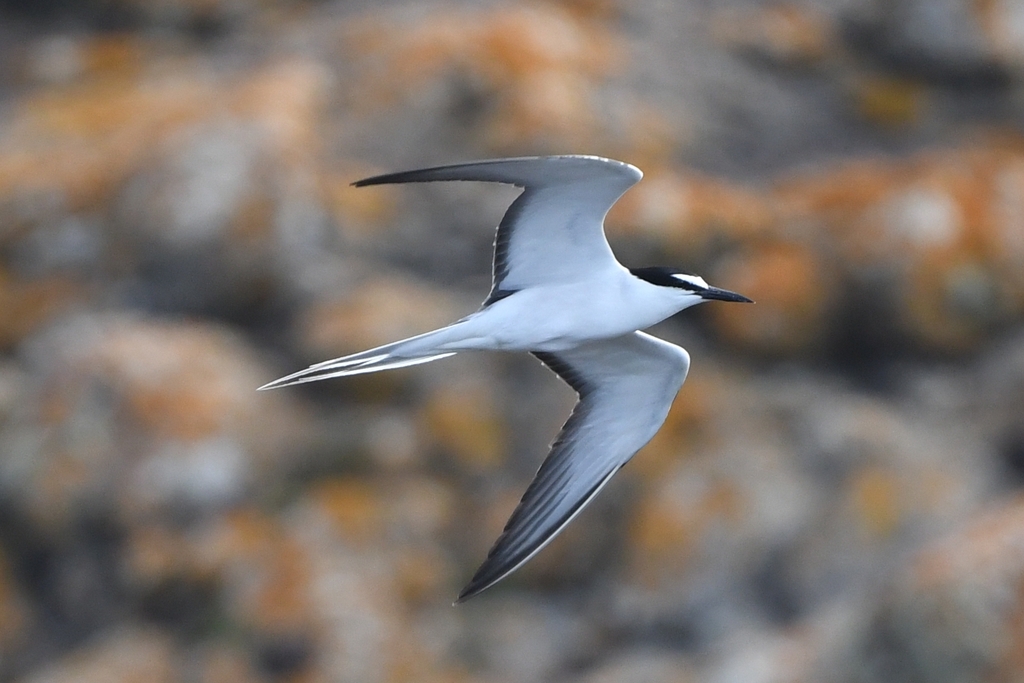
—observations
—countries
—peak records
Least ConcernConservation statusIUCN Red List categoriesLCNTVUENCREWEXLeast ConcernRed List categories, explained →
Diet & preyFlying Fish, Juvenile Squid, Surface Crustaceans
Predators
- Feral Cat
- Black Rat
- Silver Gull
ThreatsInvasive predators on breeding islands, plastic ingestion, and severe storms
HabitatsTropical pelagic oceans, coral reefs, and rocky offshore islands
Life span15–20 years
Classification
- FamilyLaridae
- SpeciesOnychoprion anaethetus
Range data is not available yet.
Interaction riskLow
- Low
- Moderate
- High
- Very high
- Why interaction risk is low
- Safe to observe at a normal distance.
- What to notice
- Look for a dark grey-brown mantle, pale grey underparts, and a white forehead patch extending behind the eye as a bridle.
- Support conservation
- Maintain a respectful distance from active colonies and remain on marked pathways to avoid crushing concealed ground nests.
Responsible observation
- Binoculars: Scan pelagic feeding flocks from boats, watching for their buoyant, fluttering flight.
- Colony Etiquette: Keep a generous perimeter around island breeding grounds to avoid flushing parents from nests.
- Nesting Season: Visit designated seabird sanctuaries between spring and midsummer when adults congregate onshore.
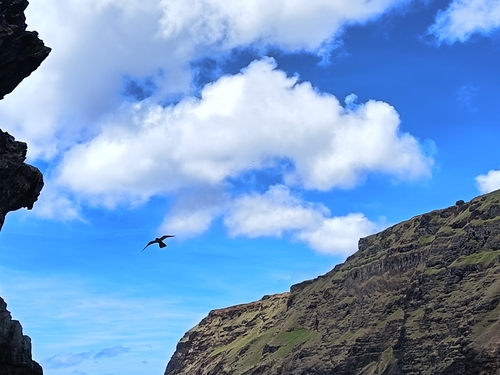
Frequent Companion no rights reserved · cc0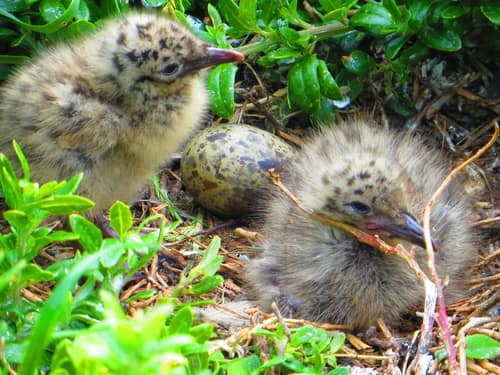
Predator (c) DiverDave, some rights reserved (CC BY-SA) · cc-by-sa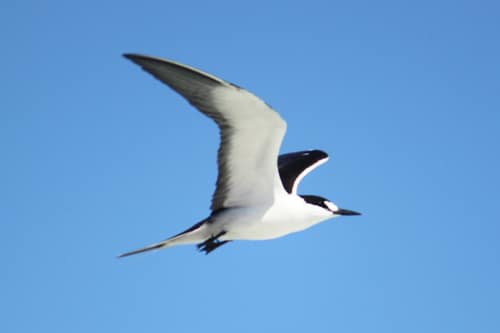
Close Relative (c) Kyle Van Houtan, some rights reserved (CC BY), uploaded by Kyle Van Houtan · cc-by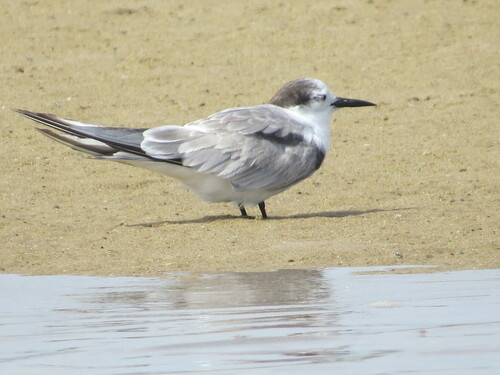
Close Relative (c) ian_mcallan, some rights reserved (CC BY) · cc-by
Help improve the field guideSomething wrong?
Checking your Fauna account…Report a name, category, or profile issue for review.