
Bird
Aleutian Tern
Onychoprion aleuticusAleutian terns nest colonially along coastal marshes, gravel spits, and islands of the northern Pacific, often mingling within larger colonies of Arctic terns. Unlike their bolder relatives, they exhibit a wary demeanor and produce soft, whistling, cricket-like calls rather than harsh shrieks. Long-distance migrants, they undertake extensive trans-equatorial journeys each autumn to spend the non-breeding season across the tropical waters of Southeast Asia.
MigratorySeabirdColonial
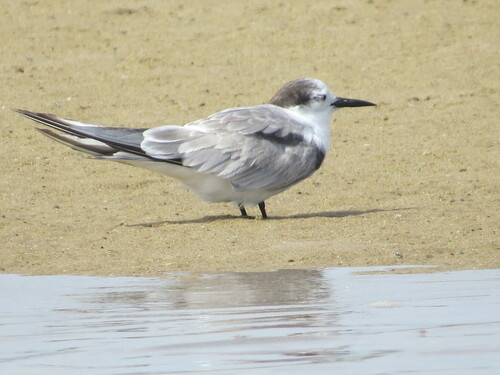
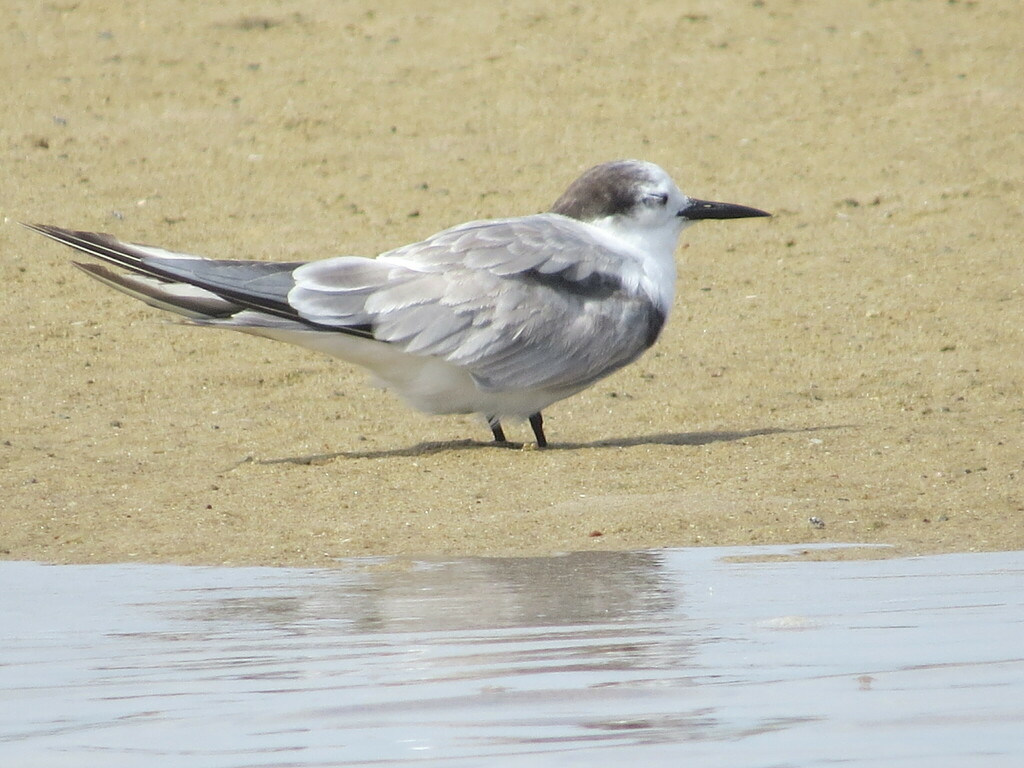
—observations
—countries
—peak records
VulnerableConservation statusIUCN Red List categoriesLCNTVUENCREWEXVulnerableRed List categories, explained →
Diet & preyPacific Sand Lance, Capelin, Euphausiids
Predators
- Glaucous-winged Gull
- Common Raven
- Red Fox
ThreatsNesting colony disturbance, coastal development, predation by introduced mammals, and marine prey shifts
HabitatsCoastal tundra, gravel beaches, barrier islands, and pelagic waters
Life span15–20 years
Classification
- FamilyLaridae
- SpeciesOnychoprion aleuticus
Range data is not available yet.
Interaction riskLow
- Low
- Moderate
- High
- Very high
- Why interaction risk is low
- Safe to observe at a normal distance.
- What to notice
- Recognizable among terns by a dark gray back, a crisp white forehead patch contrasting with a black cap, and entirely black bill and legs.
- Support conservation
- Keep at least 100 meters away from potential nesting spits and immediately retreat if birds take flight in distress.
Responsible observation
- Maintain Shoreline Distance: Stay well back from coastal nesting grounds between May and August to avoid causing egg abandonment.
- Listen for Quiet Calls: Distinguish them from noisy Arctic terns by listening for their distinctively mellow, chirping vocalizations.
- Scan for Black Legs: Look for black bills and legs to tell them apart from bright-red Arctic tern adults.
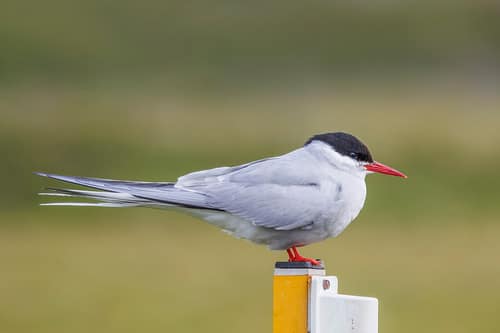
Frequent Companion Charles J. Sharp / CC BY-SA 4.0 · cc-by-sa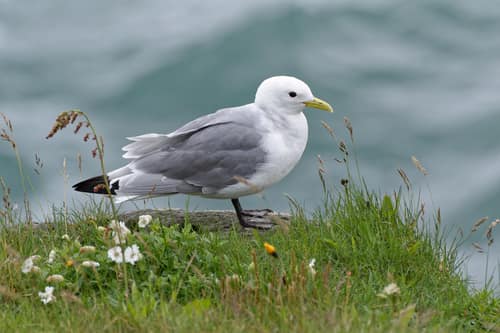
Neighbor (c) Donald Davesne, some rights reserved (CC BY), uploaded by Donald Davesne · cc-by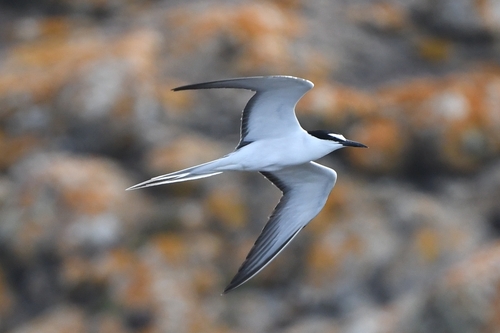
Close Relative (c) Julien Renoult, some rights reserved (CC BY), uploaded by Julien Renoult · cc-by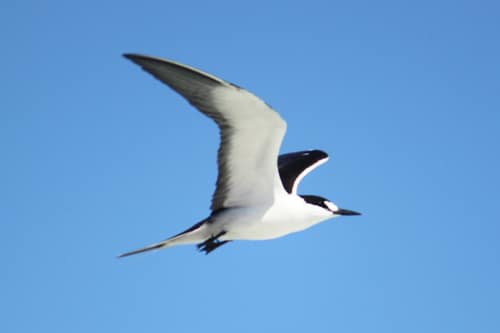
Close Relative (c) Kyle Van Houtan, some rights reserved (CC BY), uploaded by Kyle Van Houtan · cc-by
Help improve the field guideSomething wrong?
Checking your Fauna account…Report a name, category, or profile issue for review.