
Bird
Eastern Osprey
Pandion cristatusAlso known as Australasian Osprey
Eastern ospreys patrol shallow coastlines, estuaries, and offshore reefs, circling high overhead before plunging feet-first into breaking waves to snatch live fish. Equipped with reversible outer toes and barbed pads on the soles of their feet, they secure slippery prey and align it aerodynamically head-first in flight. Breeding pairs mate for life and return to the same monumental stick nests year after year, gradually expanding them on seaside cliffs, dead eucalyptus limbs, or artificial nesting platforms.
RaptorPiscivoreCoastal
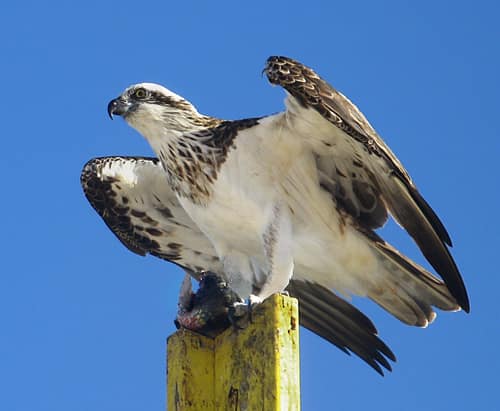
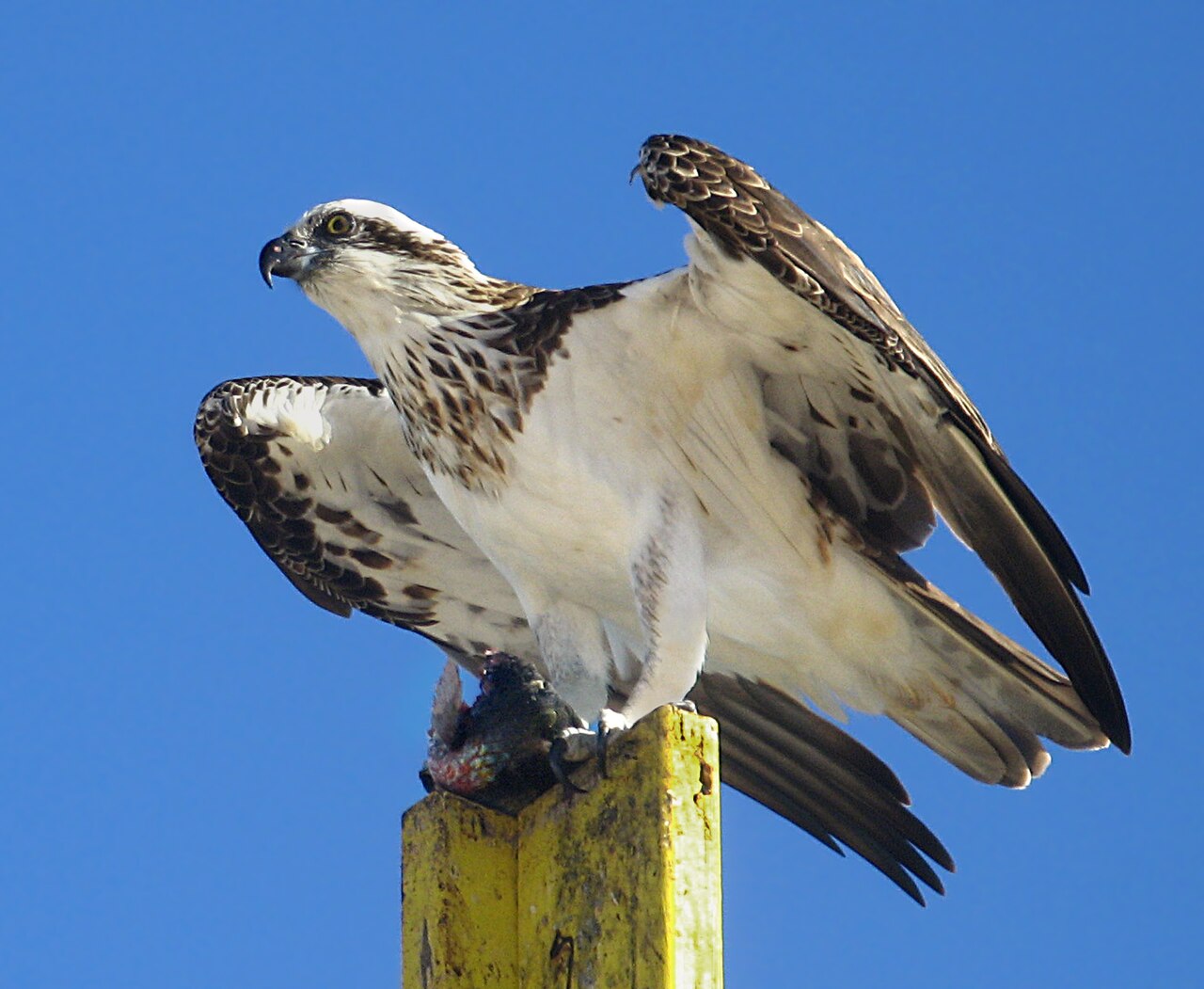
—observations
—countries
—peak records
Least ConcernConservation statusIUCN Red List categoriesLCNTVUENCREWEXLeast ConcernRed List categories, explained →
Diet & preyFlathead mullet, Garfish, Sand whiting
Predators
- White-bellied Sea-Eagle
ThreatsEntanglement in discarded fishing gear, coastal development, disturbance to nest sites, and plastic ingestion
HabitatsCoastlines, coral reefs, mangroves, tidal estuaries, and coastal river mouths
Life span15–20 years in the wild
Classification
- FamilyPandionidae
- SpeciesPandion cristatus
Range data is not available yet.
Interaction riskLow
- Low
- Moderate
- High
- Very high
- Why interaction risk is low
- Safe to observe at a normal distance.
- What to notice
- Look for a prominent dark eye stripe, white underparts, mottled brown necklace, and an enormous bulky stick nest on high coastal perches.
- Support conservation
- Keep at least 100 meters away from active nests, use a spotting scope for observation, and refrain from launching drones near roosting raptors.
Responsible observation
- Binocular viewing: Watch coastal perches, navigation beacons, and dead trees along tidal flats where birds rest between fishing sorties.
- Nesting etiquette: Maintain a buffer of at least 100 meters around active nest towers to avoid causing parents to flush and leave eggs exposed.
- Tackle cleanup: Retrieve discarded monofilament fishing line, which poses a severe strangulation hazard to hunting adults and nestlings.
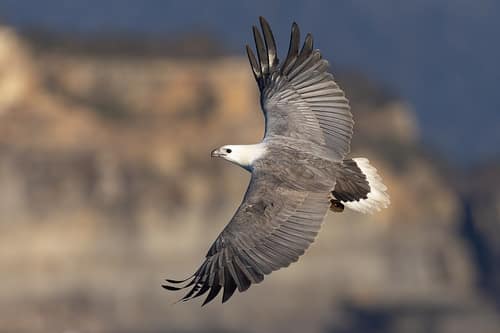
Competitor JJ Harrison / CC BY-SA 3.0 · cc-by-sa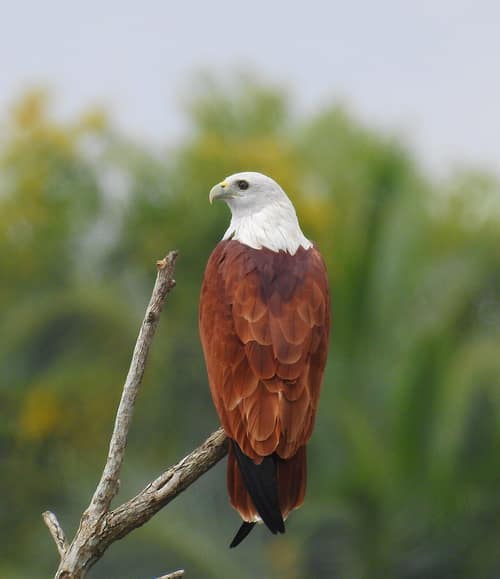
Neighbor Afsar Nayakkan / CC BY 4.0 · cc-by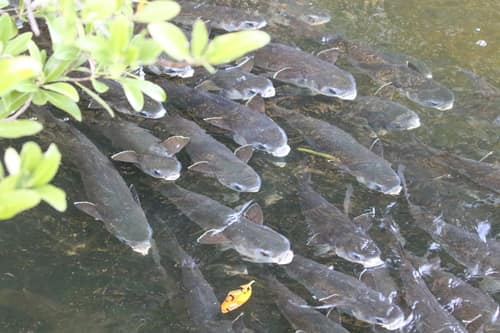
Prey no rights reserved, uploaded by Henggang Cui · cc0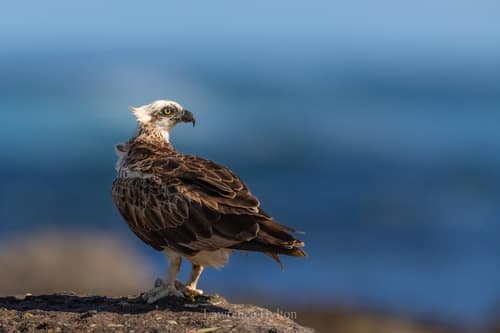
Close Relative (c) Lawrence Hylton, some rights reserved (CC BY), uploaded by Lawrence Hylton · cc-by
Help improve the field guideSomething wrong?
Checking your Fauna account…Report a name, category, or profile issue for review.