
Species
Sea Mullet
Mugil cephalusAlso known as Flathead Grey Mullet, Striped Mullet, Black Mullet, Bully Mullet
Sea mullets leap repeatedly clear of the water surface while traversing estuaries and shallow coastal bays in dense, disciplined schools. They scrape algae, diatoms, and organic detritus from benthic sediment using a specialized muscular gizzard-like stomach to grind swallowed substrate. During cooler months, adult schools migrate into the open ocean to spawn before young juveniles return to river estuaries to mature.
CoastalSchoolingEuryhaline
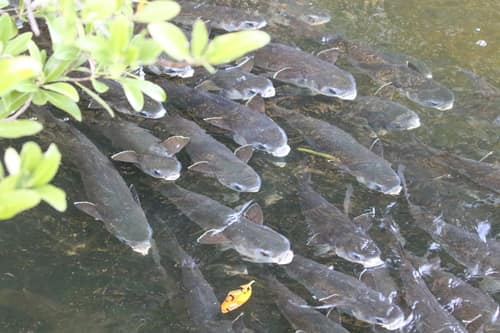
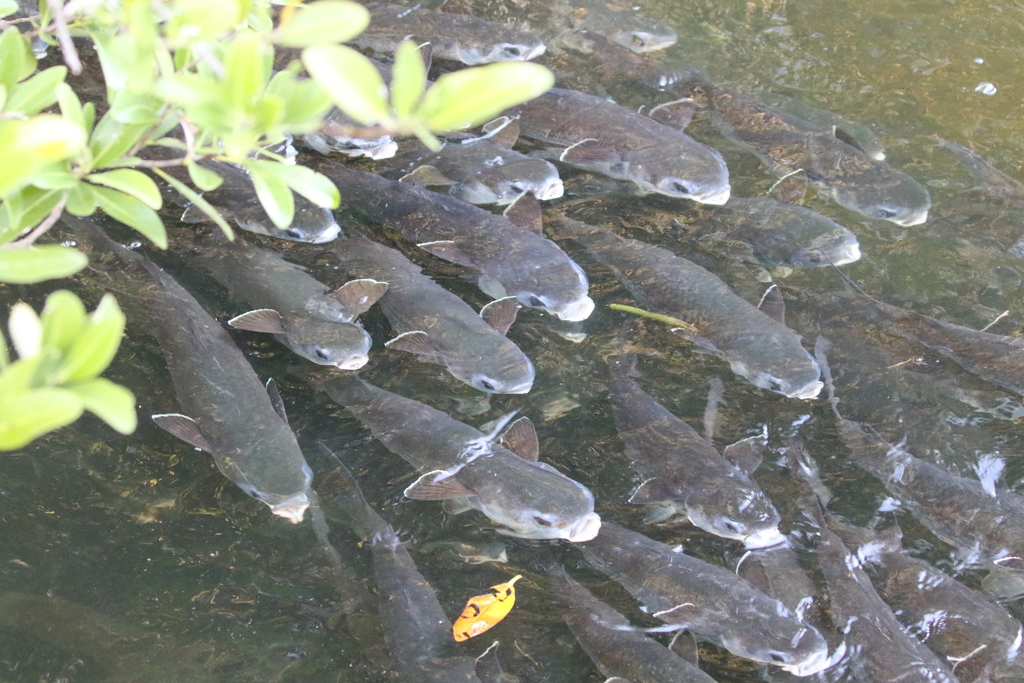
—observations
—countries
—peak records
Least ConcernConservation statusIUCN Red List categoriesLCNTVUENCREWEXLeast ConcernRed List categories, explained →
Diet & preyBenthic Algae, Organic Detritus, Diatoms
Predators
- Bottlenose Dolphins
- Ospreys
- Sharks
ThreatsEstuarine habitat loss, coastal development, and localized overfishing
HabitatsCoastal lagoons, estuaries, river mouths, and nearshore marine waters
Life span10–16 years
Classification
- OrderMugiliformes
- FamilyMugilidae
- GenusMugil
- SpeciesMugil cephalus
Range data is not available yet.
Interaction riskLow
- Low
- Moderate
- High
- Very high
- Why interaction risk is low
- Safe to observe at a normal distance.
Responsible observation
- Spotting Jumps: Watch estuary surfaces on rising tides for fish leaping multiple times in succession.
- Quiet Approach: Move slowly along mudflats or boardwalks to avoid startling feeding schools in shallow water.
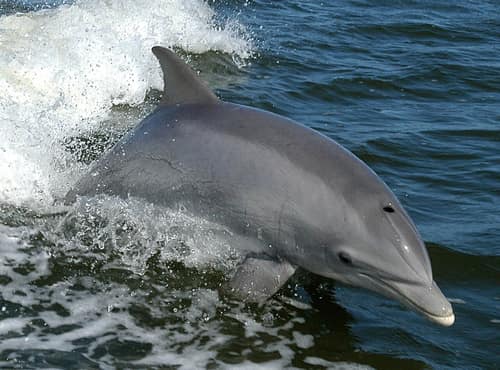
Predator NASA / Public domain · cc0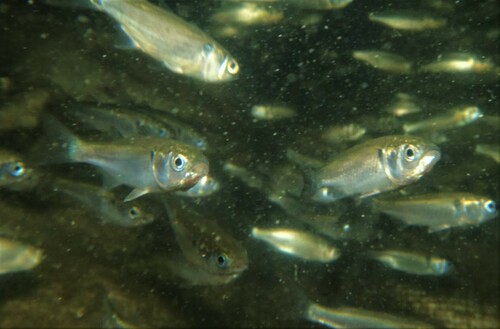
Close Relative (c) Alberto Alcalá, some rights reserved (CC BY), uploaded by Alberto Alcalá · cc-by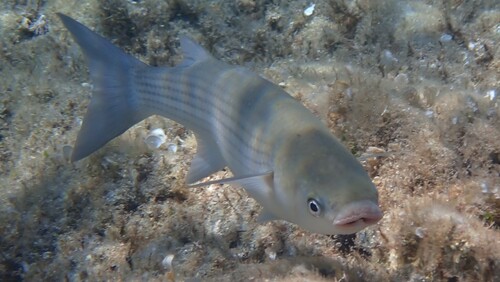
Family Member (c) Nicola Crockford, some rights reserved (CC BY), uploaded by Nicola Crockford · cc-by
Help improve the field guideSomething wrong?
Checking your Fauna account…Report a name, category, or profile issue for review.