
Lappet-faced Vulture
Torgos tracheliotosAlso known as Nubian Vulture, African King Vulture
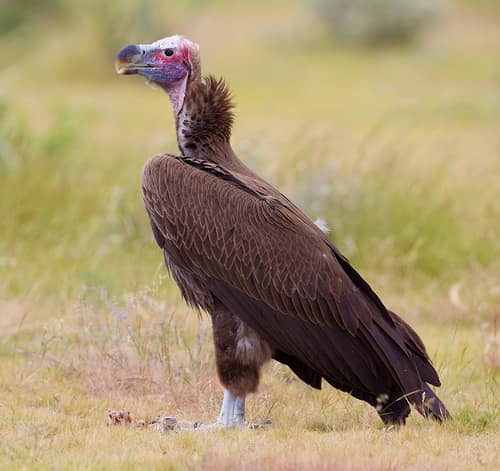
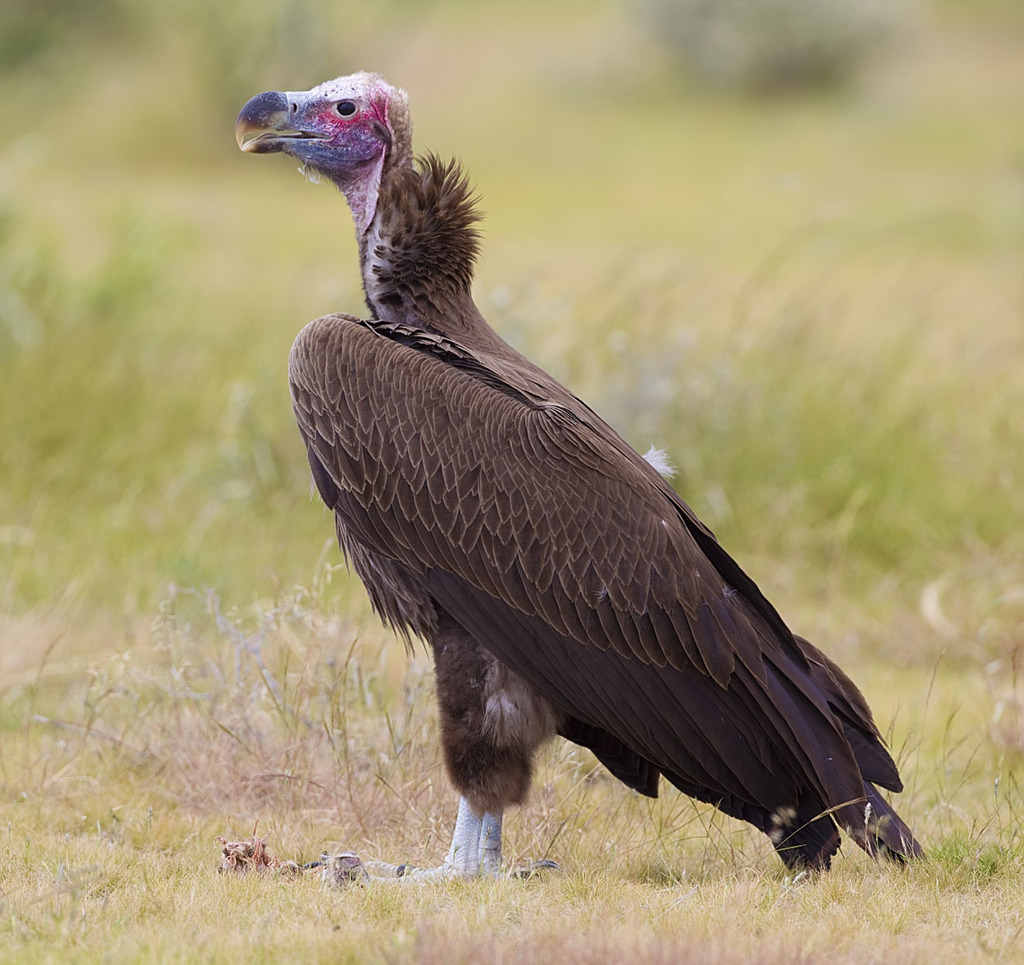
Lappet-faced vultures dominate African carcass feeding frenzies, using their massive hooked beaks to tear open tough hides that smaller scavengers cannot penetrate. Unfeathered pinkish heads with prominent skin folds help keep these giant raptors clean while feeding, while broad wings allow effortless soaring across arid savannas. Breeding pairs build immense stick nests atop acacia trees, defending vast territories throughout the year.
- Ungulate Carrion
- Flamingo Chicks
- Small Reptiles
- Martial Eagle
- Lions
- OrderAccipitriformes
- FamilyAccipitridae
- GenusTorgos
- SpeciesTorgos tracheliotos
- Low
- Moderate
- High
- Very high
- Why interaction risk is low
- Capable of inflicting severe bites with its massive beak if cornered; maintain a safe distance.
- What to notice
- Look for an enormous dark raptor with a bare pink head, hanging skin lappets, and a pale yellow bill.
- Support conservation
- Keep a wide distance from nesting trees and feeding sites to prevent flushing adult birds.
- Safari Viewing: Remain inside your vehicle, as approaching on foot flushes feeding or roosting birds.
- Nest Safety: Avoid approaching low tree canopies during the dry season when pairs actively incubate eggs.
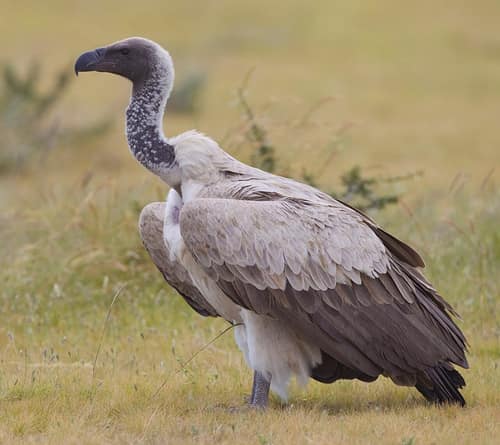
Carcass Companion Yathin sk / CC BY-SA 3.0 · cc-by-sa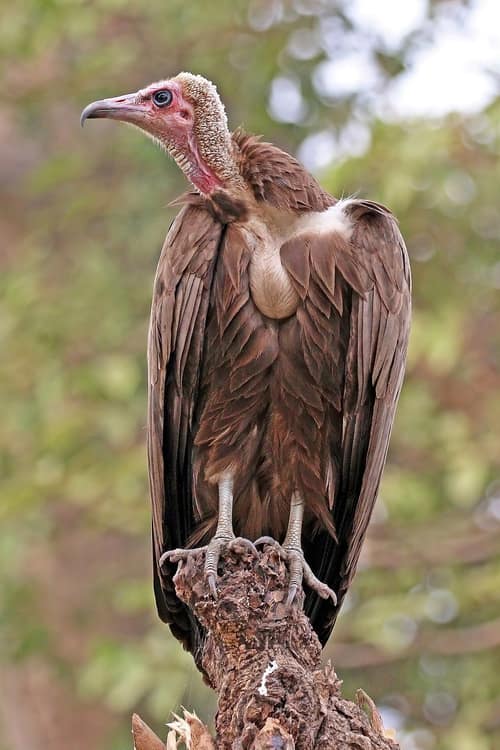
Carcass Companion Charles J. Sharp / CC BY-SA 4.0 · cc-by-sa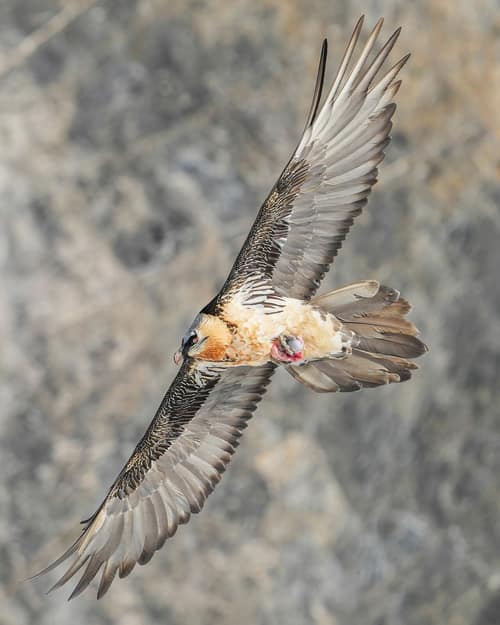
Close Relative Giles Laurent / CC BY-SA 4.0 · cc-by-sa
Found in Collections
Mystic Meadows
Lappet-faced Vulture is found in this collection. Identify it in Fauna to fill this slot and continue your progress.
Unlock to track progress
Desert Sands
Lappet-faced Vulture is found in this collection. Identify it in Fauna to fill this slot and continue your progress.
Unlock to track progress
Report a name, category, or profile issue for review.