
Mammal
Przewalski's Horse
Equus przewalskiiAlso known as Takhi, Mongolian Wild Horse, Dzungarian Horse
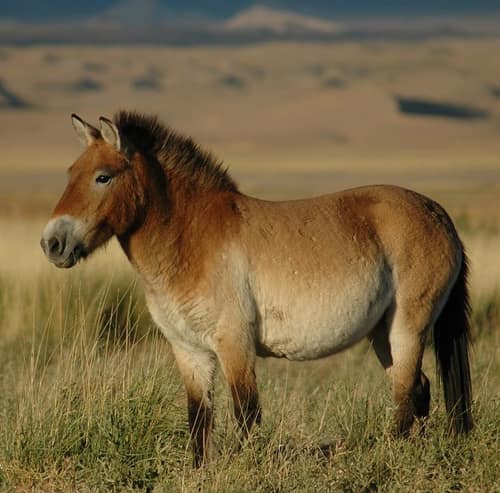
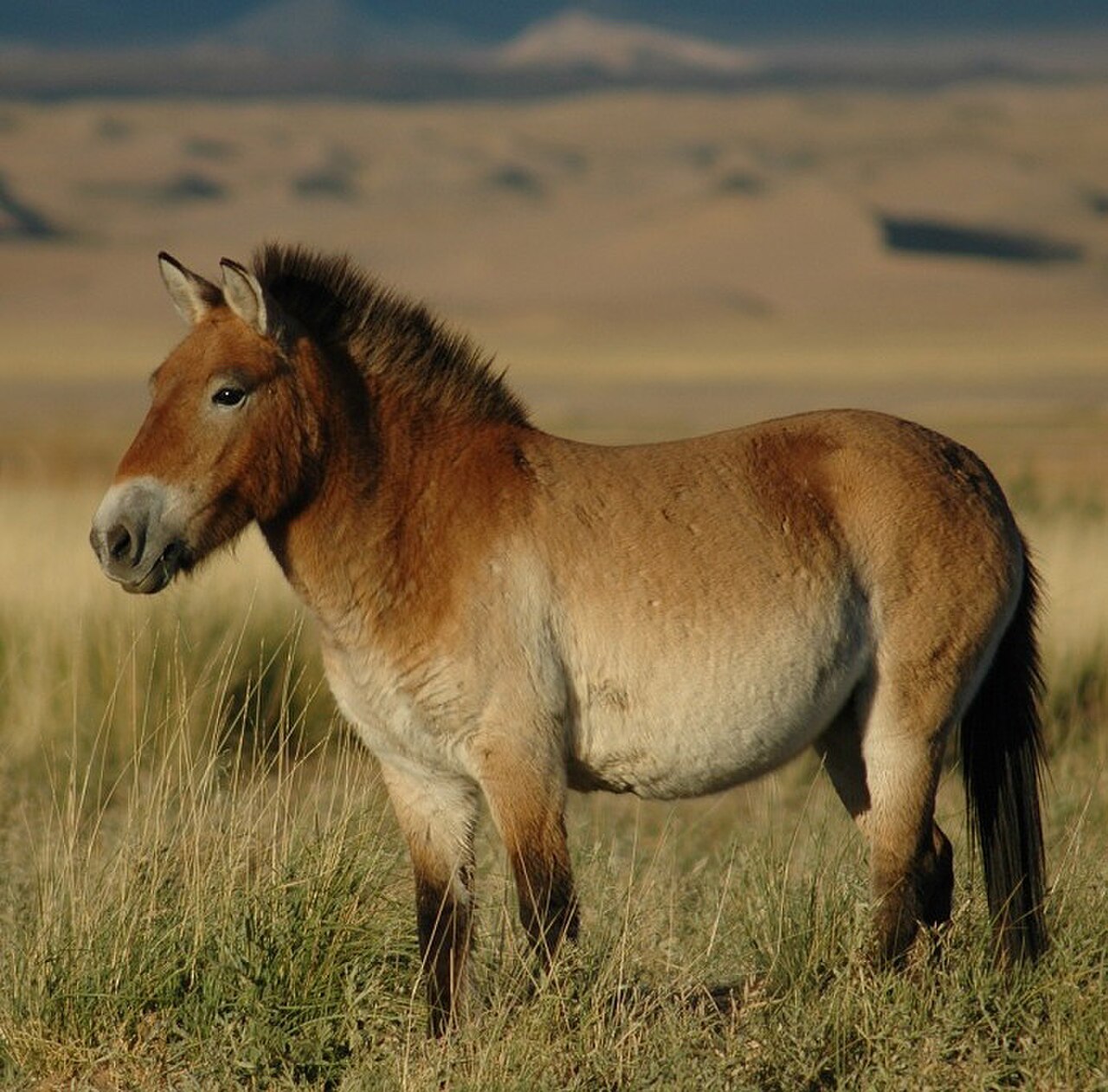
Przewalski's horses roam open arid grasslands in tight social bands led by a dominant stallion, accompanied by several mares and their young offspring. Unlike domestic horses, they possess 66 chromosomes rather than 64 and sport an upright, brush-like dark mane lacking a falling forelock. Having rebounded from complete extinction in the wild through captive breeding and reintroduction, they now graze the windswept steppes as vital ecosystem engineers.
MammalHerbivore
—observations
—countries
—peak records
EndangeredConservation statusIUCN Red List categoriesLCNTVUENCREWEXEndangeredRed List categories, explained →
Diet & preySteppe grasses, Wormwood shrubs, Desert sedges
Predators
- Grey wolf
ThreatsGenetic bottlenecking, livestock competition, severe winter freezes, and hybridization
HabitatsTemperate steppe, semi-desert scrublands, and open valleys
Life span20–25 years
Classification
- OrderPerissodactyla
- FamilyEquidae
- GenusEquus
- SpeciesEquus przewalskii
Range data is not available yet.
Interaction riskHigh
- Low
- Moderate
- High
- Very high
- Why interaction risk is high
- Maintain a safe distance; wild horses can deliver powerful kicks and bites if approached.
- Why it is dangerous
- Stallions and protective mares defend their bands using swift, bone-breaking kicks and crushing bites.
- How to recognize a risky encounter
- Recognizable by their stocky build, dun coloration, pale belly, and dark upright mane without a forelock.
- What to do
- Never approach herds on foot; if a horse raises its head or pins its ears, slowly back away.
- What to notice
- Stocky, sandy-brown wild horse with dark legs, faint leg striping, and a pale muzzle.
- Support conservation
- Keep noise low, stay on designated park roads, and never attempt to feed or corral them.
Responsible observation
- Observation Distance: Maintain at least 50 meters of clearance to avoid disturbing band dynamics.
- Vehicle Etiquette: Turn off engines and view bands quietly from inside vehicles when near roads.
- Optics Selection: Use binoculars or spotting scopes to view natural social grooming from afar.
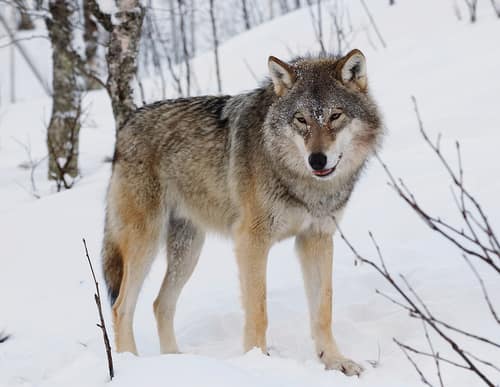
Predator User:Mas3cf / CC BY-SA 4.0 · cc-by-sa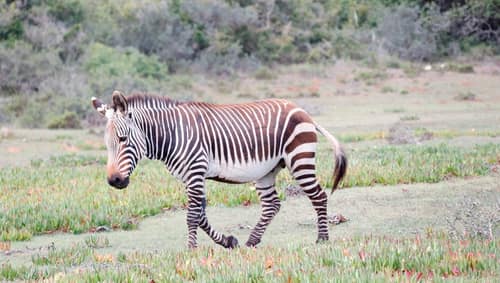
Same Genus (c) Tony Rebelo, some rights reserved (CC BY-SA), uploaded by Tony Rebelo · cc-by-sa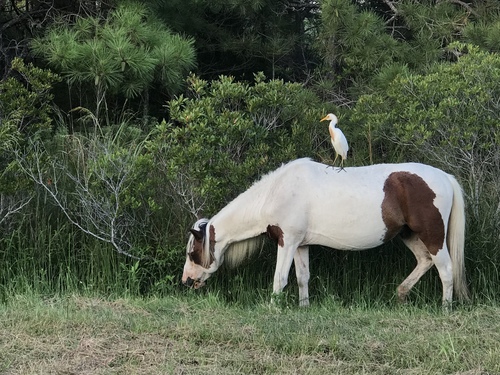
Close Relative (c) Meghan Cassidy, some rights reserved (CC BY-SA) · cc-by-sa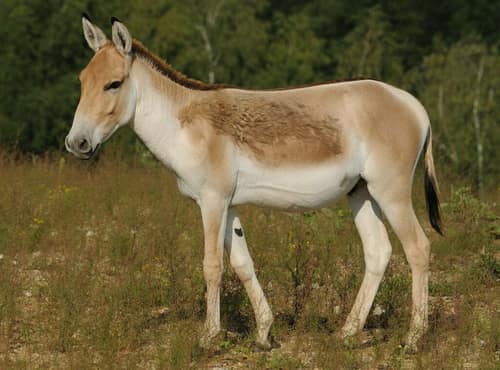
Close Relative (c) Michael Oppermann, some rights reserved (CC BY-SA) · cc-by-sa
Help improve the field guideSomething wrong?
Checking your Fauna account…Report a name, category, or profile issue for review.