
Species · GBIF taxon 5787064
Pygmy Hippopotamus
Choeropsis liberiensisAlso known as Pygmy Hippo, Forest Hippo
Pygmy hippopotamuses are reclusive, nocturnal forest dwellers that spend their days hidden in swamps, wallows, or riverbank burrows. Unlike their larger, highly social relatives, these solitary mammals navigate dense West African rainforests on land, using a network of tunnel-like trails through the undergrowth. They secrete a unique pink fluid called blood sweat that acts as a natural sunscreen and antiseptic to protect their sensitive skin.
NocturnalSolitaryRainforest
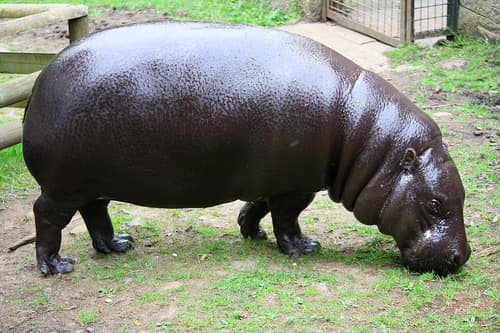
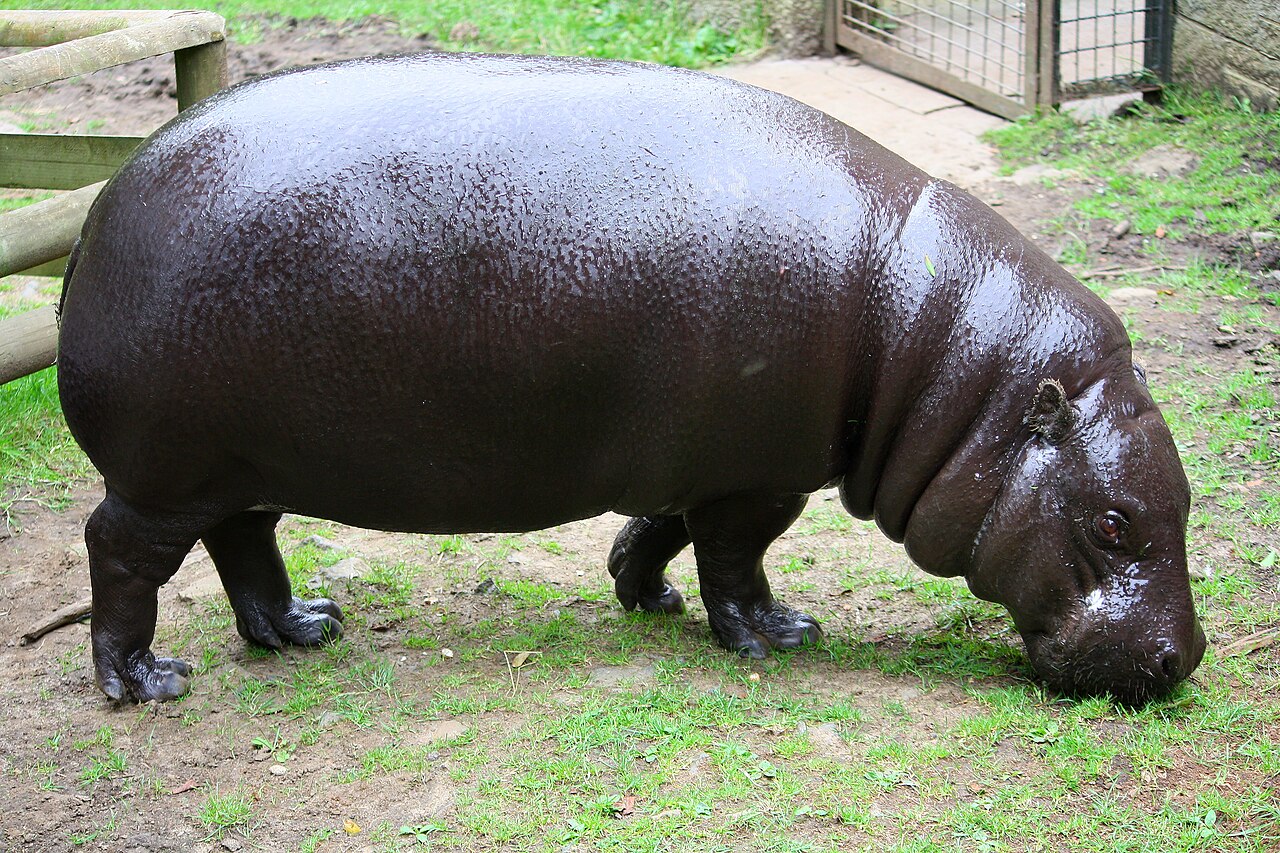
Licensed referenceBardrock / CC BY-SA 3.0 · cc-by-sa
—observations
—countries
—peak records
EndangeredConservation statusIUCN Red List categoriesLCNTVUENCREWEXEndangeredRed List categories, explained →
Diet & prey
- Herbivorous (ferns, broad-leaved plants, fallen fruits, and grasses)
Predators
- Leopards
- African Rock Pythons
- Crocodiles
ThreatsHabitat loss from logging and agriculture, poaching for bushmeat, and civil conflict
HabitatsLowland tropical rainforests, swamps, and riverbanks
Life span30 to 55 years
Size / weightNot available
Classification
- OrderArtiodactyla
- FamilyHippopotamidae
- GenusHexaprotodon
- SpeciesChoeropsis liberiensis
Native
Interaction riskHigh
- Low
- Moderate
- High
- Very high
- Why interaction risk is high
- Can deliver a powerful bite if cornered or startled; maintain a safe distance.
- Why it is dangerous
- Possesses sharp, tusk-like canine teeth and powerful jaws capable of inflicting severe defensive wounds.
- How to recognize a risky encounter
- Recognizable by its rounded, pig-like body, dark greenish-black skin, and relatively long legs compared to the common hippo.
- What to do
- Never block its path to water or corner it in dense brush; back away slowly if encountered.
- What to notice
- Extremely elusive and rarely seen, leaving behind muddy wallows and dung piles in remote West African forests.
- Support conservation
- Avoid entering protected reserves without authorized guides to prevent disturbing sensitive breeding habitats.
Responsible observation
- Observe from afar: Never approach a wild individual, as they are highly territorial and defensive when startled.
- Look for tracks: Search for deep, four-toed footprints and cleared tunnels through dense swamp vegetation.
- Support conservation: Contribute to protected area management in West African rainforests to secure their remaining habitat.
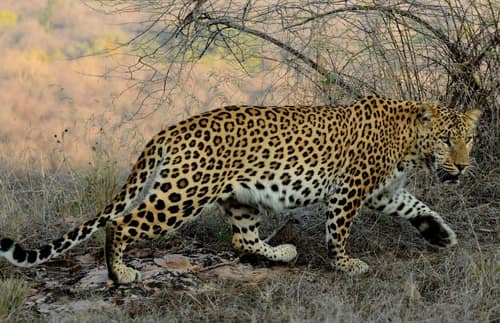
Predator (c) Raja bandi, some rights reserved (CC BY), uploaded by Raja bandi · cc-by
Predator Ray in Manila / CC BY 2.0 · cc-by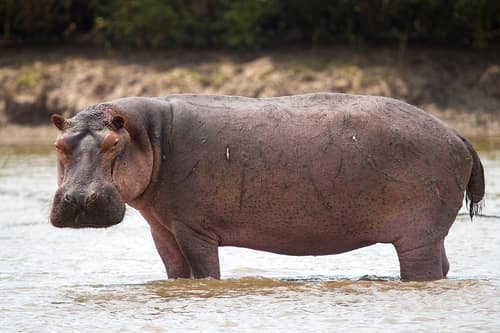
Close Relative Muhammad Mahdi Karim / CC BY-SA 4.0 · cc-by-sa
Keep collecting in Fauna
Found in Collections
Species set Pro
Safari Ranger
Pygmy Hippopotamus is found in this collection. Identify it in Fauna to fill this slot and continue your progress.
Unlock to track progress
Help improve the field guideSomething wrong?
Checking your Fauna account…Report a name, category, or profile issue for review.